
Gold prices in Egypt registered their first monthly gains in four months by the close of trading on Saturday, August 1, 2026, breaking a protracted period of summer correction and shifting market sentiment across local jewelry markets, commonly known as the Al-Saghah market. According to morning and midday reports published by local media outlets including Al-Ahram and Al-Masry Al-Youm, market activity experienced minor intraday corrections and stability after a strong July recovery cycle that reversed consecutive downward trends stretching back to the spring.
As retail traders and investors assess the sustainability of these recent gains, market participants are closely monitoring how international bullion valuations translate into Egyptian pound-denominated gold bars, coins, and popular jewelry karats.
The stabilization on Saturday followed a week of high-volume trading and modest mid-day downward adjustments. Retail market trackers reported that prices for benchmark karats held relatively steady during the weekend opening sessions, allowing buyers and sellers to gauge the final monthly tally for July before the weekly market closure.
Karat Pricing Dynamics and Midday Market Movements
Market data compiled across Egyptian financial portals indicate that trading sessions on Saturday, August 1, 2026, opened with a steady posture before slight downward adjustments rippled through midday transactions in local exchange houses. According to Masrawy’s midday market reports, these minor corrections did not fully erase the substantial upward momentum accumulated throughout July, which marked the first positive monthly performance for domestic gold since April 2026.
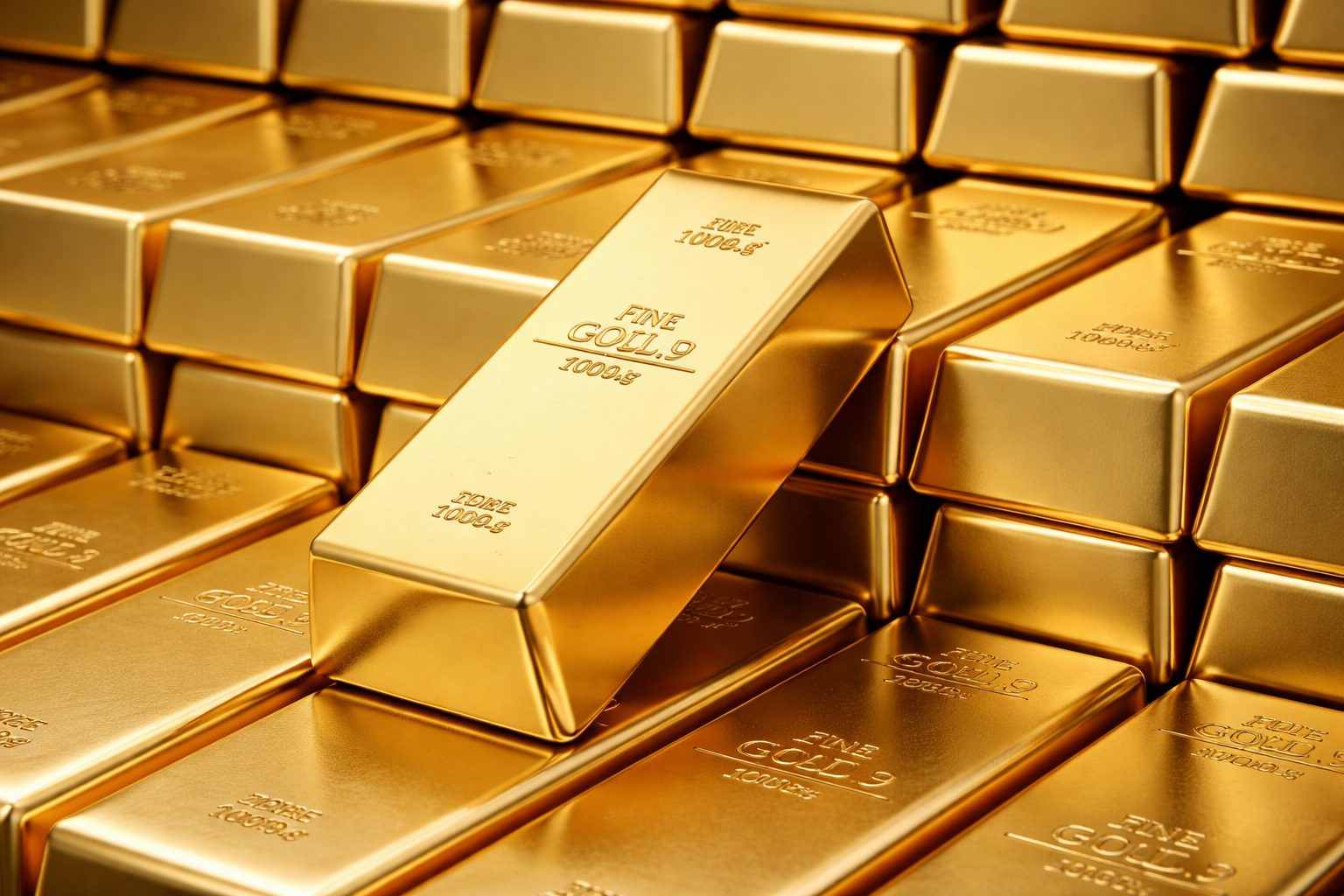
Among the various purities traded in the local market, 21-karat gold—the most widely traded denomination across Egypt—remained the primary bellwether for consumer sentiment and retail demand. Retailers in the Al-Saghah district observed consistent foot traffic as individual investors sought to secure bullion assets following the recent price dip, viewing the correction as a strategic entry point rather than a reversal of the broader monthly trend. Meanwhile, 24-karat and 18-karat gold adjusted proportionally in line with international exchange benchmarks and local liquidity conditions.
According to information reported by Mubasher, trading volumes remained balanced as institutional buyers and retail storefronts processed the transition into the new month.
Macroeconomic Drivers and Monthly Recovery Context
The return to monthly profitability in July represents a notable shift for the Egyptian gold market, which spent the preceding three months absorbing downward price corrections driven by stabilizing foreign exchange liquidity and shifting global monetary policy expectations. During the spring months, domestic gold prices faced downward pressure as the gap between parallel and official currency markets narrowed and international bullion experienced periodic sell-offs.
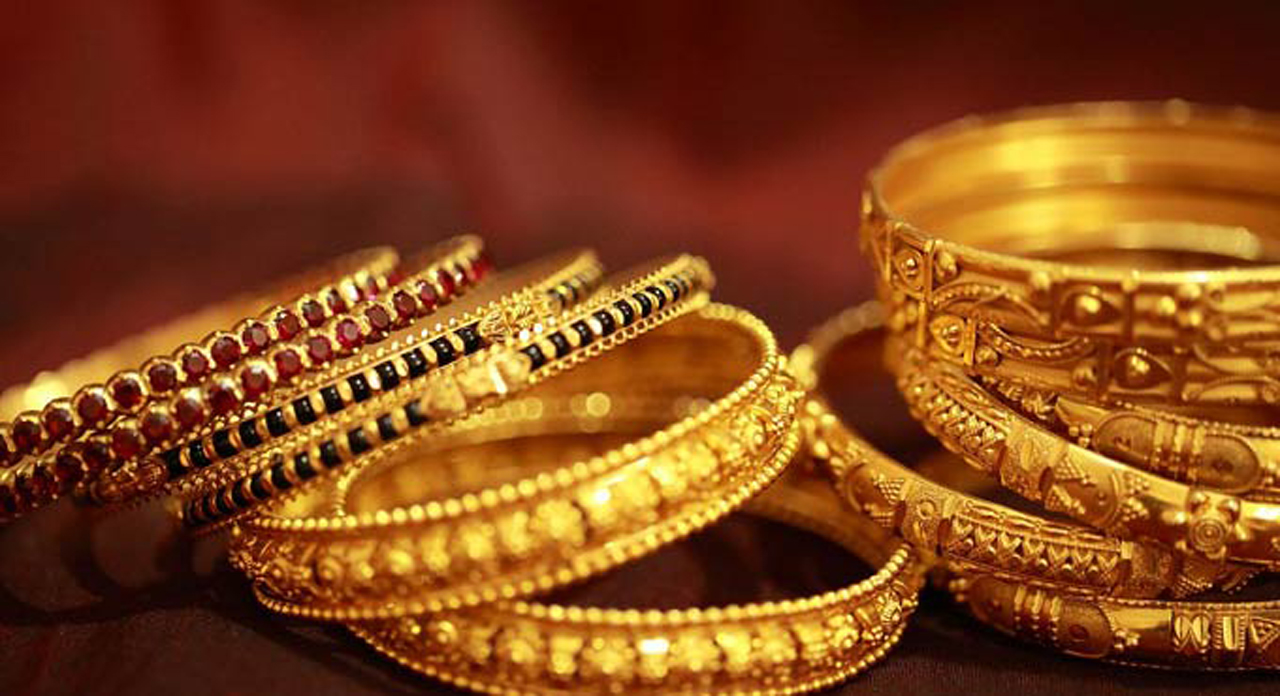
However, renewed global interest in safe-haven assets during mid-summer, combined with steady domestic hedging demand, provided the necessary catalyst for July’s recovery. According to regional coverage by Al-Ahram, local market participants have learned to navigate these cyclical swings with heightened caution, closely watching movements in the global ounce price alongside domestic supply and demand fundamentals.
For everyday consumers and small-scale investors in Egypt, the primary concern remains balancing liquidity needs against the long-term value preservation offered by precious metals. While high retail prices in previous quarters occasionally dampened consumer purchases of finished jewelry, the recent stabilization has encouraged renewed interest in gold coins and unworked bullion bars as preferred vehicles for wealth protection.
Market Outlook and Next Scheduled Checkpoints
As Egyptian markets prepare for the resumption of standard banking and trading hours, participants are turning their attention to upcoming international macroeconomic releases and domestic monetary policy updates that traditionally dictate bullion trajectory.
Official updates regarding market pricing, bullion assaying standards, and retail guidelines remain accessible through the Egyptian General Authority for Standardization and Quality and authorized local exchange bulletins. Market observers advise consumers and investors to verify daily gram rates directly with accredited dealers in the Al-Saghah district before executing transactions.
We welcome your perspective on these market developments. Please share your thoughts or questions in the comments section below.