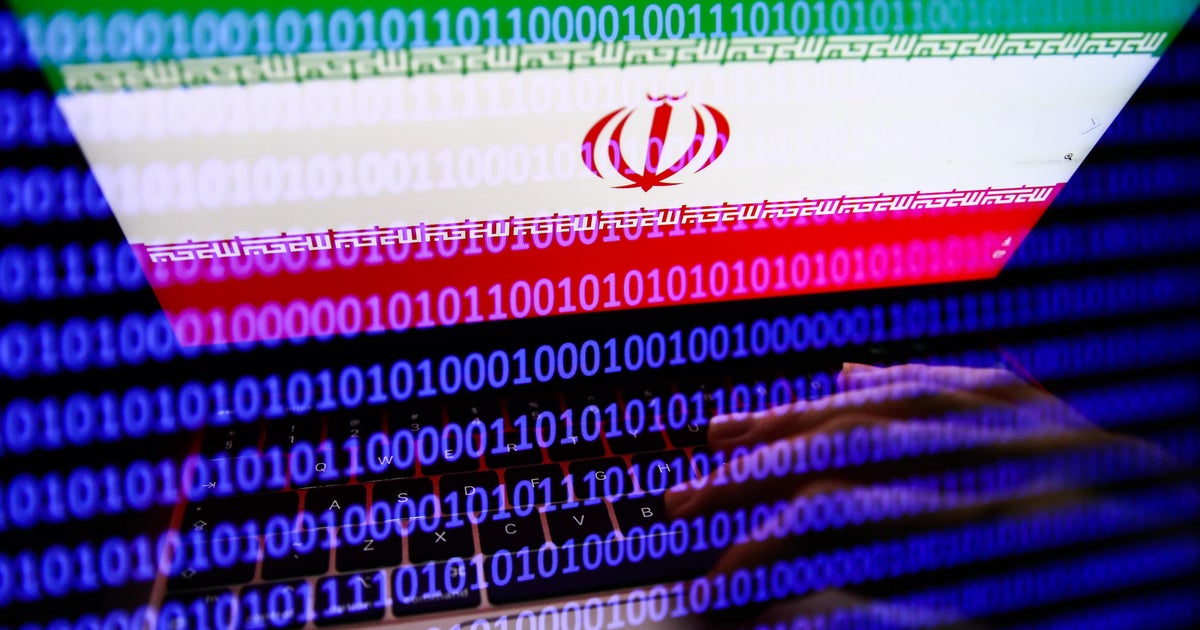
Federal authorities and municipal agencies have traced a growing wave of cyber intrusions targeting critical municipal infrastructure and corporate networks to state-sponsored actors in Iran, according to reports from U.S. intelligence officials and affected local governments. The campaign encompasses unauthorized access attempts against municipal water systems in states including Minnesota and Michigan, alongside targeted reconnaissance operations directed at private corporations and political figures. Cybersecurity analysts tracking the intrusions emphasize that while state-level utility disruptions have not compromised drinking water safety, they expose vulnerabilities in the operational technology used by smaller public utilities across the United States.
As federal cybersecurity agencies issue heightened alert advisories, investigators continue to map the infrastructure used by groups linked to the Iranian government to probe critical services.
U.S. intelligence agencies have systematically monitored foreign cyber operations targeting domestic infrastructure, noting a distinct shift toward industrial control systems used by water and wastewater utilities. According to reporting by The Washington Post, federal spy agencies suspected Iran of launching a cyberattack against Minnesota water facilities that targeted programmable logic controllers commonly used to manage water pressure and flow. The intrusion prompted federal cybersecurity advisories warning that foreign actors routinely scan internet-connected operational technology for default passwords and unpatched vulnerabilities.
The scope of these operations widened as additional states reported similar digital incursions. Fortune reported that Michigan joined Minnesota in reporting that hackers hit water systems, forcing local operators to disconnect affected equipment from remote management networks and revert to manual controls. Cybersecurity firms assisting the affected municipalities noted that the intrusion methods aligned closely with patterns observed in prior state-backed campaigns originating from the Middle East.
An extensive investigative assessment published by The New York Times detailed how the scope of hacks on the U.S. water supply widened as evidence pointed directly to Iran. Federal investigators determined that groups operating under the direction of the Iranian government utilized compromised credentials to access industrial control equipment at public utilities. Security specialists interviewed for the assessment highlighted that municipal water facilities often operate with constrained IT budgets and limited dedicated cybersecurity staff, making them attractive targets for foreign intelligence operatives seeking to test defensive responses.
Political Repercussions and Public Disinformation
The cyber incidents have also reverberated through domestic politics, drawing public scrutiny and unverified claims from political figures. President Donald Trump repeated debunked claims and baselessly asserted that Minnesota Governor Tim Walz was behind a cyberattack affecting state infrastructure, according to a fact-check report by CNN. Independent fact-checkers and federal law enforcement agencies confirmed that the digital intrusions were executed by foreign state-sponsored hackers rather than domestic political actors, refuting the assertions made during the meeting.
State and federal officials have emphasized the importance of separating verified intelligence findings from political rhetoric as investigations proceed. Representatives from the Cybersecurity and Infrastructure Security Agency have continually urged municipal utility operators to implement mandatory security baselines, including multi-factor authentication for remote access and the elimination of default administrative passwords on industrial control devices.
Ongoing Mitigation and Official Guidance
Federal agencies, including the FBI and CISA, maintain active threat advisories for public water systems and corporate networks. Utility operators and municipal administrators are encouraged to consult official guidance provided through the Cybersecurity and Infrastructure Security Agency portal to review current threat intelligence bulletins, vulnerability mitigation steps, and incident reporting protocols.
The next major developments in the ongoing investigation are expected to emerge through upcoming congressional oversight hearings and formal intelligence assessments regarding state-sponsored cyber espionage. Readers are encouraged to share their thoughts or join the discussion in the comments section below.