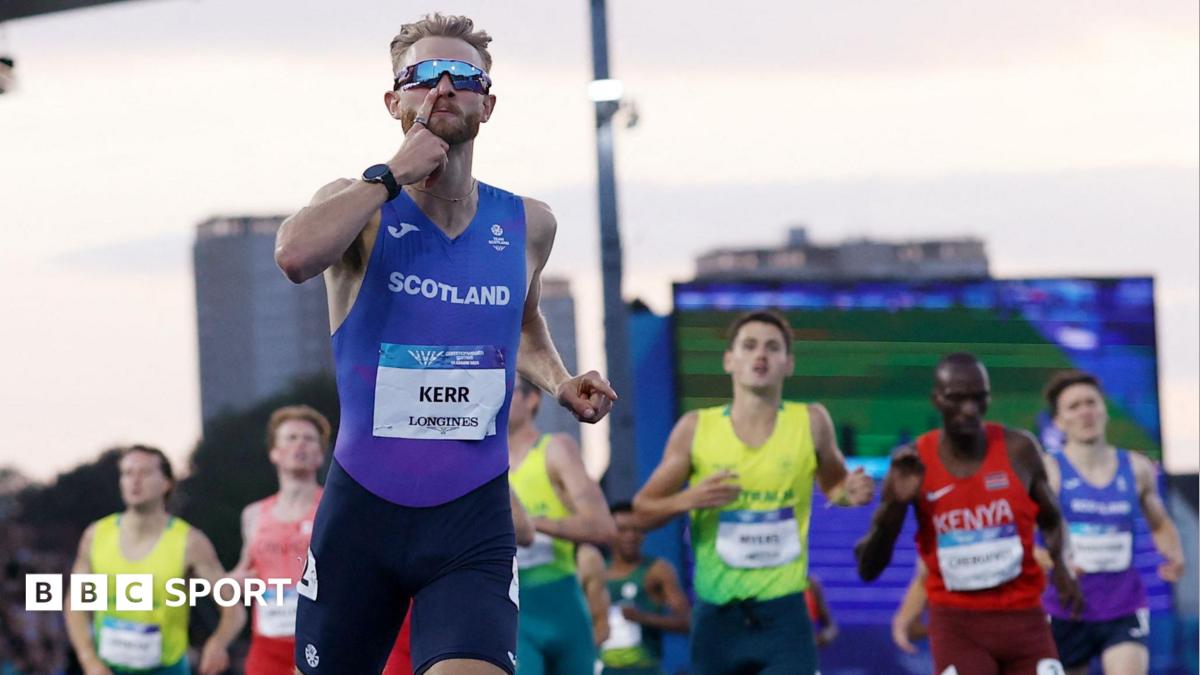
Scottish middle-distance star Josh Kerr delivered a gritty, tactical masterclass on the track, grinding out a hard-fought victory in a race defined by fierce competition and uncompromising racing conditions. Stripped of the technological aids common in modern elite athletics, the contest unfolded as a raw, physical battle that tested the endurance and mental fortitude of every competitor on the start list.
Kerr, reigning world champion and Olympic medalist, navigated a punishing pace that demanded absolute focus from the opening lap. According to race reports from athletics officials and sports journalists covering the event, the tactical nature of the showdown forced athletes to abandon conservative pacing strategies and engage in an intense, physical struggle for positioning down the home stretch.
For sports fans following elite middle-distance running, the clash offered a rare glimpse into pure racing tactics. Without the safety net of pacemakers setting an artificial tempo, competitors had to dictate the race themselves, turning a standard evening fixture into an unforgettable test of competitive grit.
Tactical Battles and Elite Field Dynamics
The absence of pacemakers fundamentally altered the structural dynamics of the race, shifting the emphasis from raw time-trial speed to direct psychological and physical combat among the contenders. Analysts tracking the event noted that athletes accustomed to following lights or pre-set paces had to instantly adapt to a dynamic, elbows-up racing environment.
Kerr positioned himself deliberately within the leading pack, weathering surges and maintaining ground through the middle stages. According to trackside observers, competitors traded minor elbows and jockeyed aggressively for the inside lane as the bell lap approached. Kerr’s ability to absorb contact and maintain his stride rhythm proved decisive as the field began to fracture under the pressure.
The race highlighted the physical demands of championship-tier middle-distance running. Athletes must balance aerobic capacity with anaerobic kicking power, all while managing traffic in tight packs. Kerr’s experience on the global circuit enabled him to read the shifting momentum of the pack and time his decisive surge with precision.
Implications for the Global Athletics Season
This statement victory serves as a critical marker for Josh Kerr as he builds toward upcoming international competitions. Track and field pundits view early-season tactical triumphs as vital indicators of a runner’s competitive sharpness and psychological readiness for major championships.
Competitors on the global circuit will undoubtedly take note of Kerr’s willingness to embrace a rugged, combative style of racing. As the athletics calendar progresses toward marquee summer meetings and global championships, athletes capable of winning ugly—controlling slow races or breaking up fast ones—hold a distinct psychological advantage over their rivals.
For supporters and sports analysts tracking world rankings, performances like this underline the depth and volatility of modern middle-distance running. Every tactical race adds valuable data for coaches and athletes refining their championship strategies.
Next Steps in the Athletics Calendar
Athletes and coaches now turn their attention to upcoming national trials and Diamond League meetings, where qualification standards and direct head-to-head matchups will shape the rest of the season. Official entry lists and meeting schedules are maintained on the World Athletics official website, providing fans with up-to-date tracking for upcoming fixtures.
As the international season accelerates, further announcements regarding start lists and broadcast schedules will be published through official governing body channels. Share your thoughts on this tactical showdown in the comments below.
Keep reading