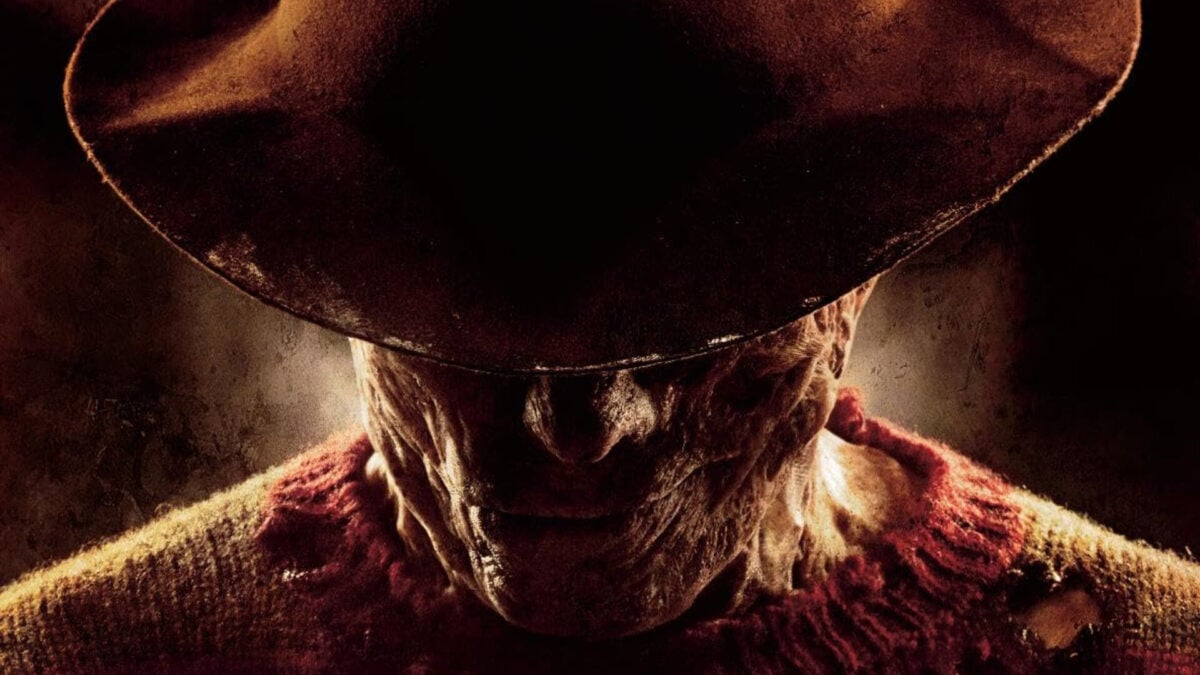
A complex legal and creative standoff has emerged surrounding the future of the A Nightmare on Elm Street franchise, as major studios evaluate the rights landscape for the iconic horror series. While industry reports have suggested a potential tug-of-war between Warner Bros. and Paramount Pictures regarding the development of a revival, the underlying rights to the Wes Craven-created property remain governed by a intricate history of copyright law, specifically under the provisions of the U.S. Copyright Act of 1976.
The core of the matter involves the 2019 decision by the estate of Wes Craven to regain the domestic rights to the original 1984 film, A Nightmare on Elm Street. According to filings under Section 203 of the Copyright Act, which allows authors or their heirs to terminate prior grants of copyright after a set period, the estate successfully reclaimed the U.S. rights from Warner Bros.’ New Line Cinema division. This legal maneuver, documented in records with the U.S. Copyright Office, effectively decoupled the original film’s domestic rights from the studio that had distributed the subsequent sequels and the 2010 remake.
The Copyright Landscape and Studio Interests
The current state of the franchise is defined by a split in ownership. While the Craven estate holds the U.S. rights to the original film, Warner Bros. retains the rights to the characters and elements introduced in the sequels, as well as the international rights to the original installment. This bifurcation creates a significant hurdle for any studio looking to produce a comprehensive reboot or a new entry in the series. As reported by The Hollywood Reporter, the estate’s move to reclaim rights was a strategic effort to regain control over the intellectual property, though it did not grant them exclusive control over the entire franchise history.
Paramount Pictures’ alleged interest in the property has been the subject of industry speculation, yet no official filings or studio statements have confirmed a formal acquisition or partnership deal to date. In the film industry, rights negotiations often occur behind closed doors, and the complexity of splitting a franchise between international and domestic territories—or between the original creator’s estate and a legacy studio—often necessitates a multi-party settlement before a project can move into active development.
Why the Franchise Remains in Limbo
The primary challenge for any prospective filmmaker is the lack of a unified rights holder. A studio attempting to reboot the series would likely need to negotiate a cross-licensing agreement that satisfies both the Craven estate and the entities that own the remaining franchise assets. Without such an agreement, the creative scope of a new film would be legally restricted, potentially forcing a studio to avoid specific plot points or character developments established in the sequels.
This situation is not unique to the horror genre. Similar copyright termination cases have affected other major properties, where the original creators or their heirs have sought to re-acquire rights to seminal works under the 1976 Copyright Act. The legal framework provides a specific window for these terminations—typically 35 years after the original grant—providing a clear, albeit complex, pathway for creators to leverage their initial contributions. As noted by legal experts tracking intellectual property trends, these cases often conclude with a settlement where the studio pays a licensing fee or enters into a production partnership with the heirs to ensure the franchise can continue to generate revenue.
What Happens Next for Freddy Krueger
As of early 2024, there has been no public announcement regarding a new production, a director, or a script development deal involving either Warner Bros. or Paramount Pictures. The franchise remains in a state of legal stasis, with the Craven estate maintaining its position as the domestic rights holder for the original film. For fans and industry observers, the next confirmed checkpoint will be any official press release or SEC filing detailing a rights acquisition or a production partnership involving the property.
The industry continues to watch for updates from the U.S. Copyright Office or official statements from the respective studios. Until a formal agreement is reached, the return of Freddy Krueger to the big screen remains speculative. We will continue to monitor developments regarding these rights negotiations as they emerge. Have thoughts on the future of the franchise? Please share your comments below.
Keep reading