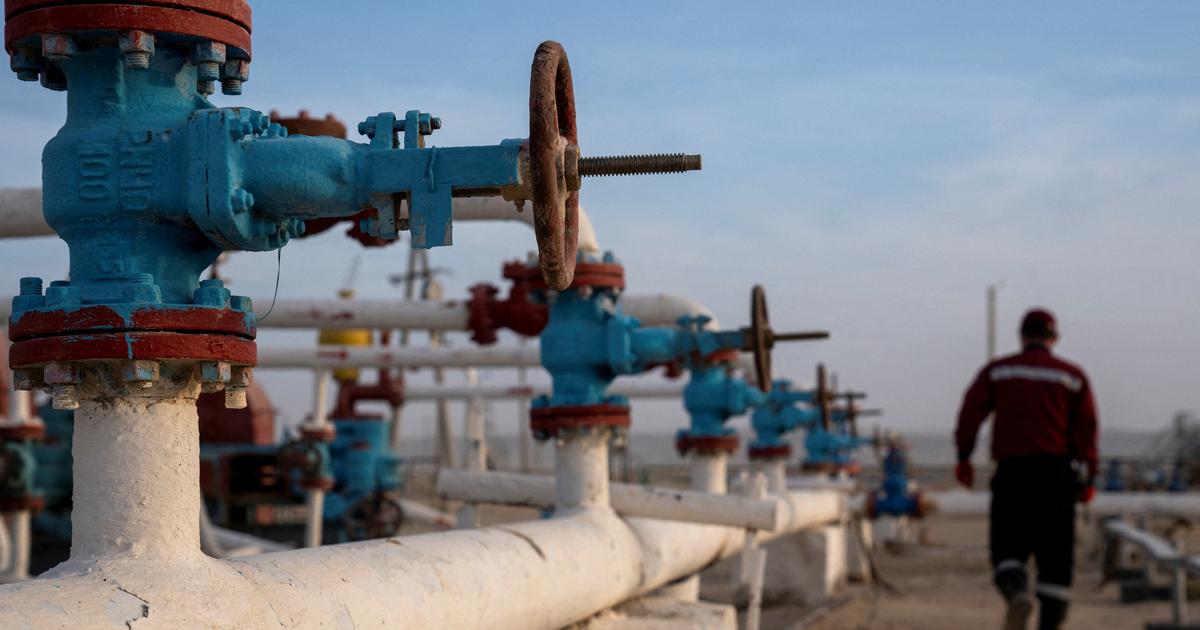
Global crude oil markets face fresh volatility as the OPEC+ alliance moves forward with production quota adjustments against a backdrop of ongoing conflict in the Middle East. According to reports from international news agencies, the producer group has agreed in principle to implement a production increase of 188,000 barrels per day. The policy adjustment marks another step in the organization’s gradual unwinding of voluntary supply cuts despite persistent geopolitical risks and supply chain anxieties spanning key energy-producing regions.
Energy analysts and market participants are closely monitoring how physical supplies will react as the group executes these scheduled adjustments. The decision reflects a delicate balance within the coalition, which must weigh robust market demand projections against the constant threat of supply disruptions stemming from regional hostilities in the Middle East. Prices on major benchmarks have responded to the shifting supply outlook with notable intraday fluctuations, underscoring the sensitivity of global energy trade to shifts in producer quotas.
As the cartel prepares for its upcoming operational phases, member states emphasize that adjustments remain conditional on prevailing market evaluations. The broader economic implications extend to importing nations navigating persistent inflationary pressures tied to fuel and energy costs. Industry stakeholders continue to assess official declarations and statistical releases from energy ministries to gauge the exact timing and distribution of the incoming barrels.
Understanding the OPEC+ Production Adjustment Mechanism
The decision to raise production quotas by 188,000 barrels per day is part of a phased framework adopted by the Organization of the Petroleum Exporting Countries and its partners, led by major non-cartel producers. Industry data shows that the coalition has maintained a cautious approach to restoring output that was previously curbed to support price stability during periods of weaker global demand. By implementing incremental increases, the group aims to reclaim market share without triggering a sudden oversupply that could depress prices.
Market observers note that the mechanics of these adjustments require coordinated compliance among participating nations. Each member holds specific baseline production figures from which quotas are calculated and monitored. Official updates from energy monitoring firms indicate that compliance levels fluctuate across individual countries, making periodic ministerial reviews essential for maintaining group cohesion and pricing targets.
The inclusion of additional volume occurs while physical trade routes face heightened scrutiny. Shippers and insurers operating tankers through key Middle Eastern chokepoints face elevated risk assessments. Consequently, physical crude pricing often diverges from paper futures, driven by the immediate cost of securing maritime transit through contested zones.
Geopolitical Pressures and Market Reactions
Ongoing military engagements and diplomatic friction across the Middle East form a tense backdrop for the current energy policy decisions. While economic fundamentals traditionally dictate supply adjustments, geopolitical instability introduces risk premiums that can overshadow baseline production figures. Energy economists point out that markets routinely price in potential worst-case scenarios regarding regional pipeline integrity and export terminal security.
Despite these hazards, the coalition’s willingness to proceed with higher output signals confidence in global consumption figures, particularly across industrial economies in Asia and the West. Inventories in major storage hubs have provided a buffer against immediate shortfalls, allowing producers to proceed with their scheduled timeline. Nevertheless, any escalation in regional hostilities threatens to instantly reverse supply calculations, compelling traders to maintain robust hedging strategies.
Financial institutions and commodity trading desks have adjusted their near-term forecasts to account for the incremental supply injection. While the absolute volume of 188,000 barrels per day represents a fraction of total global consumption, the psychological impact on market sentiment remains significant. Traders view the policy direction as a clear indicator of how producer leadership perceives the balance between inventory accumulation and price defense.
Economic Implications for Global Consumers
For industrial consumers, transport operators, and retail motorists, the trajectory of crude quotas translates directly into refined product expenses. Fuel prices at the pump remain a primary driver of headline inflation figures monitored by central banks worldwide. A steady, predictable increase in production quotas can help anchor energy costs, offering relief to manufacturing sectors that depend heavily on petrochemical feedstocks and diesel fuel.
Conversely, if regional conflict disrupts output capacity beyond the planned quota increases, consumer markets could experience sharp price spikes. Energy policy experts emphasize that domestic policy responses in major consuming countries often involve tapping strategic petroleum reserves to smooth out price volatility. The interaction between managed producer quotas and strategic reserve releases forms the core of modern energy security management.
Businesses seeking official data and detailed statistical breakdowns regarding production schedules and quota allocations can consult public disclosures issued through regulatory filings and energy ministry portals. Monitoring these primary sources ensures stakeholders receive verified updates directly from governing bodies rather than relying on speculative market commentary.
Next Steps and Monitoring Official Guidance
The alliance is scheduled to convene its next ministerial monitoring committee to review production data, compliance figures, and evolving macroeconomic indicators. Stakeholders and market analysts await the formal communiqué following the committee’s formal adoption of policy recommendations. Readers interested in ongoing developments can track official announcements through energy market regulatory databases and verified reporting from established global news organizations.
We invite our readers to share their perspectives on these energy market developments in the comments section below. For further updates on global economic policy and commodity trends, subscribe to our daily business briefing.
Keep reading