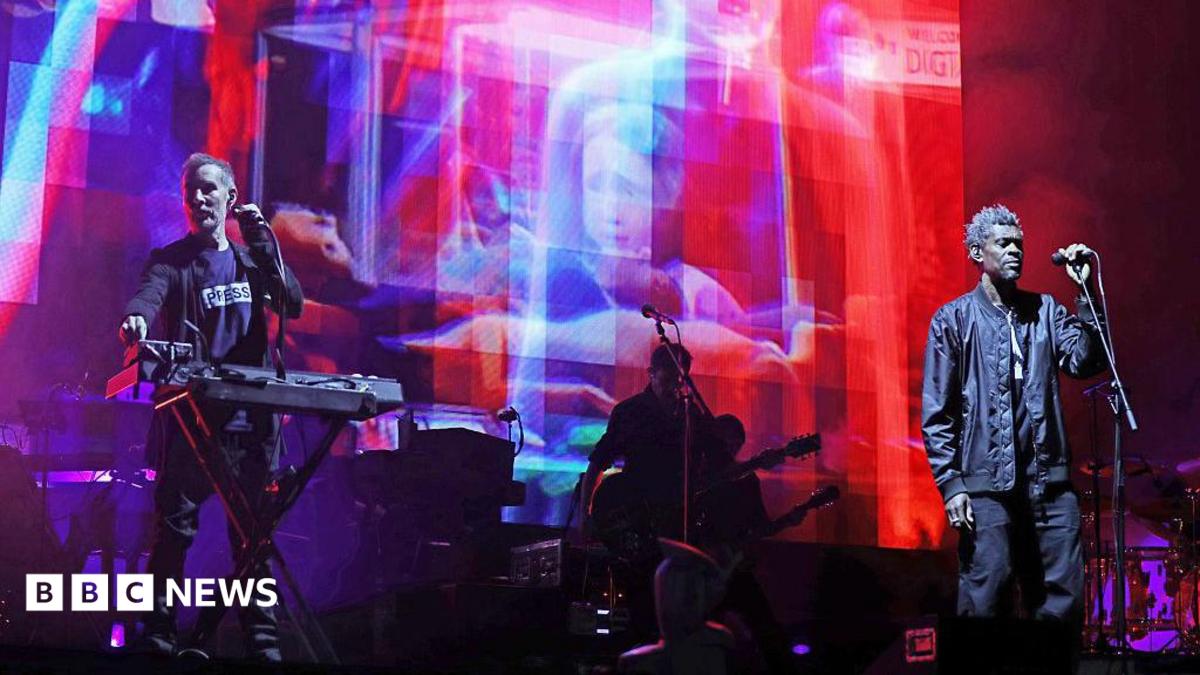
British trip-hop pioneers Massive Attack have publicly expressed their surprise and disappointment after being subjected to regulatory scrutiny in Singapore regarding a pro-Palestine statement made during a live performance. The incident occurred during the band’s concert in the city-state, where members of the group voiced support for Palestine, triggering a response from local authorities tasked with managing public performance standards.
According to reports verified through international press coverage, the band’s vocal expression of solidarity—specifically the phrase “free Palestine”—led to an official inquiry by Singaporean authorities. In a statement addressing the aftermath of the event, the group characterized their treatment by local officials as unexpected, noting that their artistic expression was met with a level of restriction that they had not anticipated when planning their tour schedule.
The situation highlights the complex intersection of international touring, freedom of speech, and the stringent regulatory environment governing public performances in Singapore. The Infocomm Media Development Authority (IMDA), which oversees content and public entertainment licensing in the country, maintains strict guidelines regarding public discourse, particularly concerning sensitive political or religious topics that could potentially incite social disharmony, as outlined in their official Public Entertainment Licensing framework.
Singapore’s Regulatory Stance on Public Performances
Singaporean law requires organizers of public entertainment to adhere to conditions that prioritize social cohesion. Performers are generally expected to avoid content that may be deemed divisive or disruptive to public order. Under the Public Entertainments Act, the government retains the authority to impose conditions on event permits to ensure that performances do not touch upon sensitive issues that could disrupt the harmony of the nation’s multi-racial and multi-religious society, according to the Singapore Statutes Online.
For international artists, this means that political commentary—even when framed as personal expression—can be categorized as a breach of licensing conditions if it is perceived to violate the parameters set by the IMDA. The agency often reviews the content of performances in advance, and artists are typically briefed on the expectations for maintaining a neutral stance on volatile geopolitical issues. Massive Attack’s experience serves as a case study for how global touring acts must reconcile their personal political advocacy with the specific legal requirements of the jurisdictions they visit.
The Band’s Position on Artistic Freedom
Massive Attack, known for their long history of incorporating political and social activism into their music and visual stage shows, indicated that their comments were a reflection of their core values. The band members have frequently used their platform to advocate for humanitarian causes, and they maintained that their remarks in Singapore were consistent with their established public identity. Their disappointment stems from the friction between their desire to engage in global discourse and the local restrictions that effectively curtailed that expression.
While the band did not provide a detailed breakdown of the specific legal consequences they faced, their public response suggests that the scrutiny has prompted a re-evaluation of how they navigate political speech in restrictive environments. The incident has drawn attention from human rights observers and music industry analysts who track the impact of censorship on international touring. The balance between maintaining a global fan base and adhering to local speech restrictions remains a significant challenge for artists whose work is inherently linked to social commentary.
Broader Implications for Touring Artists
The incident involving Massive Attack is not an isolated occurrence, but it does serve as a reminder of the risks international acts face when touring in countries with strict content regulations. For promoters and artists alike, the event underscores the necessity of thorough due diligence regarding local laws. The Singaporean government’s approach to maintaining social harmony is often cited as a cornerstone of its domestic policy, which inevitably impacts the scope of public expression allowed in arenas and concert halls.
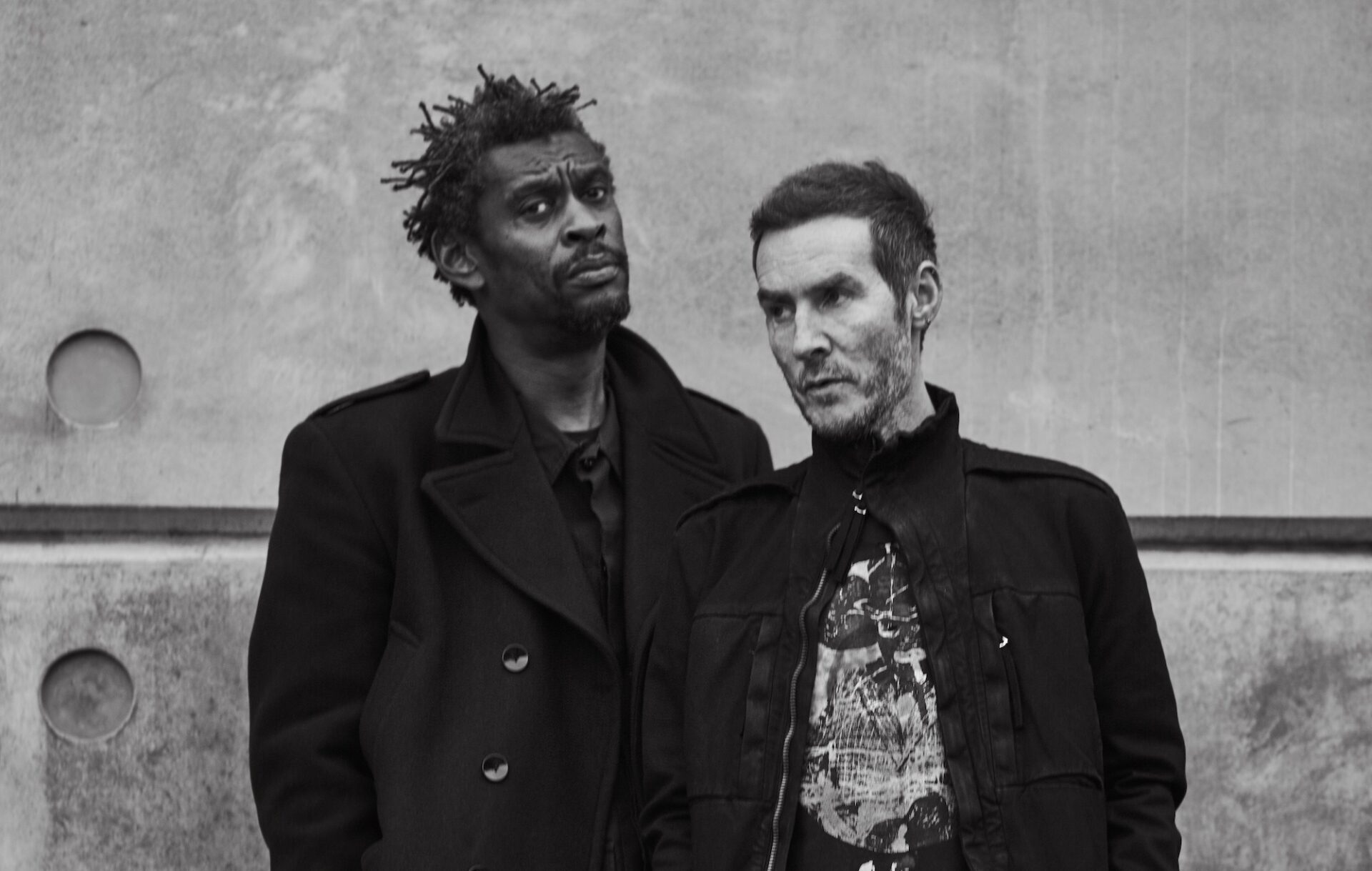
As the band continues their international engagements, the focus remains on whether this experience will alter their approach to live performances in similarly regulated markets. For now, the incident remains a point of contention between the artistic community’s commitment to free expression and the regulatory mandates of the host nation. Future updates on the band’s tour schedule or any further administrative actions taken by the Singaporean authorities will likely be published through official government announcements or the band’s verified social media channels.
Readers interested in the ongoing developments regarding international performance standards and artistic freedom are encouraged to monitor official statements from the Infocomm Media Development Authority. Share your thoughts on the balance between local laws and artistic expression in the comments section below.
Keep reading