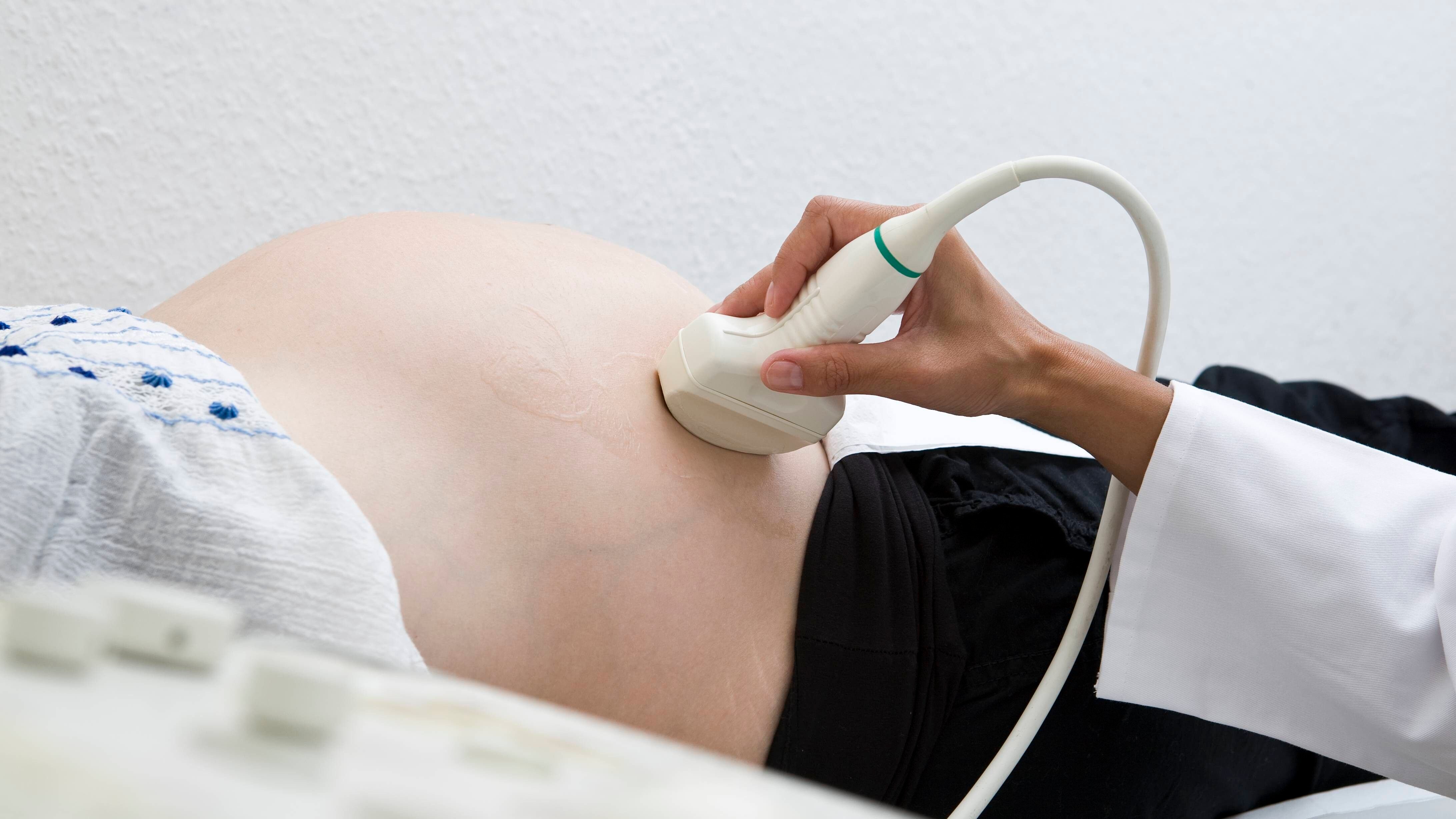
Preeclampsia, a serious pregnancy complication characterized by high blood pressure and organ damage, currently faces a significant therapeutic challenge. For patients suffering from severe, early-onset cases, medical interventions have historically been limited to premature delivery to save the mother, often at the cost of fetal development. Emerging medical approaches, specifically apheresis—a procedure commonly described as “blood washing”—are now being evaluated as a potential bridge to extend pregnancies and improve neonatal outcomes, according to clinical reports from specialized centers such as the Charité – Universitätsmedizin Berlin.
The clinical priority in managing preeclampsia is the prevention of eclampsia, a life-threatening condition involving seizures. When standard blood pressure management fails, physicians must balance the maternal risk of organ failure against the neonatal risks associated with preterm birth. According to guidelines from the American College of Obstetricians and Gynecologists (ACOG), delivery remains the only definitive cure for preeclampsia, yet medical research continues to investigate methods to neutralize the underlying triggers of the disease during the second and early third trimesters.
The Mechanism of Apheresis in Pregnancy
Research into the pathophysiology of preeclampsia has identified an imbalance of angiogenic factors as a primary driver. Specifically, an excess of soluble fms-like tyrosine kinase-1 (sFlt-1) is known to inhibit the growth of new blood vessels, leading to the systemic vascular dysfunction observed in patients. Apheresis techniques designed for preeclampsia utilize specialized filters to selectively remove these excess sFlt-1 proteins from the maternal circulation.
By lowering the concentration of these anti-angiogenic factors, clinicians aim to stabilize the maternal endothelium and reduce the severity of symptoms. Data published in journals such as The Lancet have highlighted that while this technique is not a permanent solution, it can potentially delay delivery by several days or weeks. This extension is critical, as every day gained in utero significantly improves the survival and developmental prospects of a premature infant.
Clinical Efficacy and Patient Selection
Not every patient with preeclampsia is a candidate for apheresis. Clinical application is strictly reserved for cases of early-onset preeclampsia, typically occurring before 34 weeks of gestation, where the fetus is at extreme risk if delivered immediately. According to reports from the International Society for the Study of Hypertension in Pregnancy (ISSHP), careful monitoring for potential side effects—such as the depletion of essential proteins or complications related to vascular access—is mandatory during the procedure.
Current medical practice emphasizes that apheresis must be performed in tertiary care centers equipped with specialized obstetric and nephrological expertise. The procedure requires multiple sessions to maintain the reduction of sFlt-1 levels, as the maternal body continues to produce these proteins as long as the placenta remains in situ. Because the placenta is the source of the dysregulation, the procedure serves only as a temporary measure to buy time for corticosteroid administration to accelerate fetal lung maturation.
Integration into Contemporary Care
The integration of blood purification techniques represents a shift toward more personalized, precision-based obstetric care. While large-scale, randomized controlled trials are still ongoing to establish universal protocols, the use of sFlt-1/PlGF ratio testing has become a standard diagnostic tool in many European hospitals to identify which patients might benefit from intensive management strategies.
For expectant mothers, the diagnostic process often involves frequent monitoring of blood pressure, urine protein levels, and blood chemistry. If the sFlt-1/PlGF ratio exceeds established clinical thresholds, discussions regarding specialized interventions may be initiated. It is important for patients to consult with their obstetrician or a maternal-fetal medicine specialist to understand the risks and benefits associated with these advanced treatments, as individual health histories significantly influence clinical decision-making.
As research continues, the medical community remains focused on identifying the long-term safety profiles for both mother and child following such interventions. The next major checkpoint for the field involves the publication of multi-center trial data expected to further refine the selection criteria for patients eligible for apheresis. Readers seeking the latest updates on maternal health research should monitor official communications from the World Health Organization (WHO) and national obstetric societies for validated clinical guidance.
If you have found this overview helpful, please share this article to help spread awareness about advancements in maternal health. We welcome your professional insights in the comments section below.