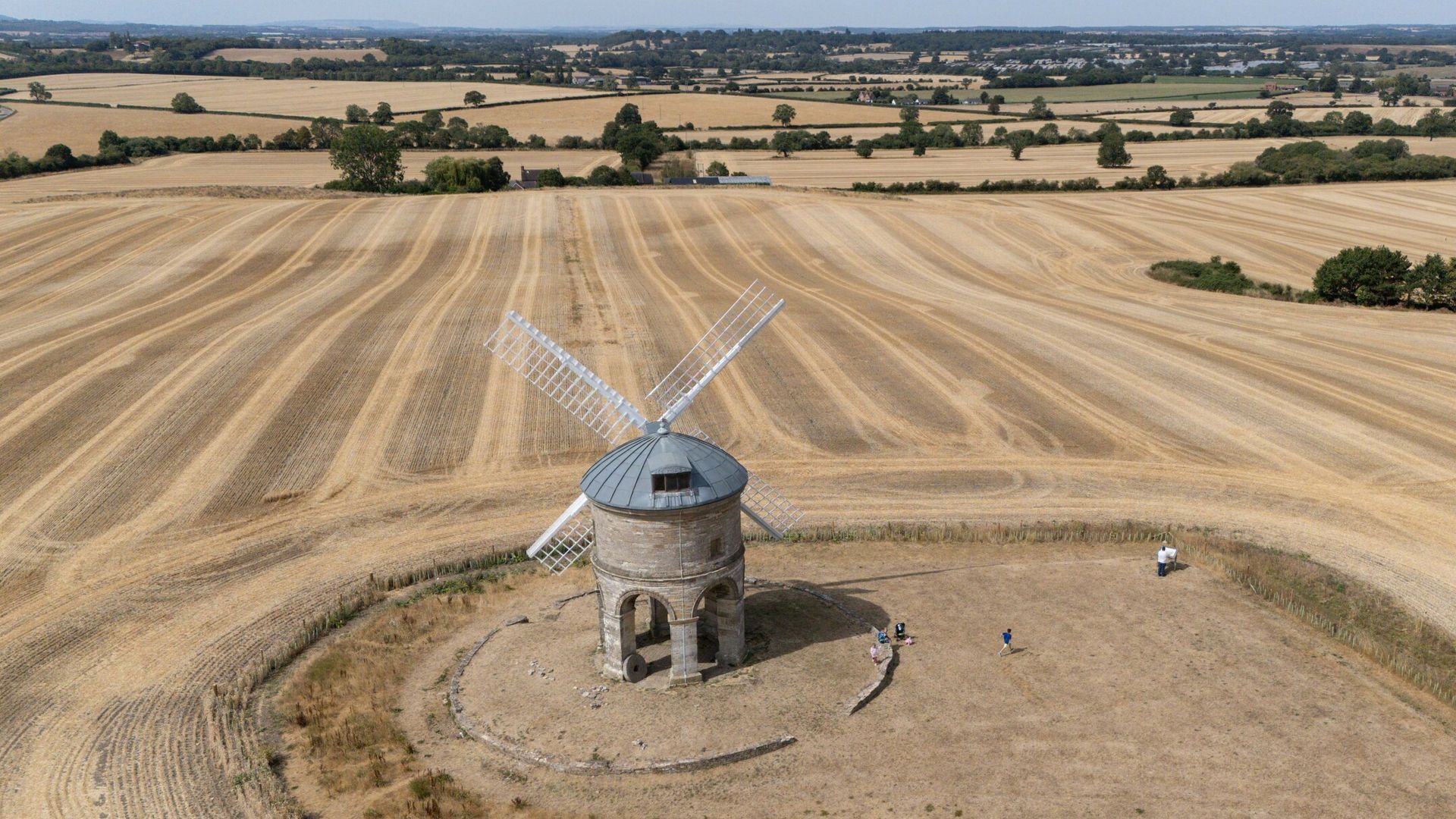
Most of England is under a heat health alert starting Monday as the UK Health Security Agency (UKHSA) and the Met Office warn of a significant surge in temperatures. Forecasters expect the mercury to climb into the mid-30s Celsius in parts of the country, prompting health officials to issue warnings regarding the potential impact on vulnerable populations and the wider public.
According to the official UKHSA heat-health alert system, these warnings are designed to protect those at higher risk of heat-related illness, including the elderly, individuals with underlying health conditions, and those living in urban heat islands. The alert signifies that high temperatures may lead to increased pressure on health and social care services, as well as a rise in heat-associated mortality.
Understanding the Heat-Health Alert System
The UKHSA, in partnership with the Met Office, operates a four-tier heat-health alert system to communicate the severity of incoming weather events. These alerts are triggered when specific temperature thresholds are reached for two or more consecutive days, and the nights remain notably warm, preventing the built environment from cooling down.
The current alert serves as a formal notification to healthcare providers and local authorities to implement preparedness plans. This includes monitoring the welfare of high-risk patients, ensuring care homes have adequate cooling measures in place, and disseminating safety advice to the general public. These alerts are localized, meaning that while much of England is affected, the specific intensity and duration of the heatwave can vary significantly by region.
Health Impacts and Safety Precautions
Rising temperatures pose several risks to human health, most notably dehydration, heat exhaustion, and heatstroke. According to the National Health Service (NHS), symptoms of heat exhaustion include heavy sweating, a rapid pulse, dizziness, and muscle cramps. If left untreated, these conditions can escalate into heatstroke, which is a medical emergency requiring immediate intervention.
Health authorities recommend several practical steps to manage the heat:
- Keep living areas cool by closing curtains on windows that face the sun during the day.
- Stay hydrated by drinking plenty of fluids, even if not feeling thirsty.
- Avoid physical exertion during the hottest parts of the day, typically between 11:00 AM and 3:00 PM.
- Check on neighbors, family, and friends who may be particularly vulnerable to the heat.
- Seek shade and wear loose, lightweight clothing if venturing outdoors.
Meteorological Context and Trends
The Met Office maintains that while heatwaves are a natural part of the UK’s climate, the frequency and intensity of these events are increasing due to broader climate changes. Data from the Met Office climate records indicate that the UK has experienced a shift toward warmer, more volatile summers, making heat health alerts a more frequent occurrence in recent years.
The current mid-30s forecast is consistent with the criteria for high-temperature events in the UK, where infrastructure is often optimized for cooler climates. As the system moves through the week, the Met Office will provide hourly updates through its weather warning portal. Citizens are encouraged to monitor these updates, as weather patterns can shift rapidly, potentially altering the duration or intensity of the alert.
The next official update regarding the trajectory of this heatwave is expected from the Met Office and the UKHSA on Tuesday morning. Residents should continue to follow local news and official government guidance for the duration of the alert period. Please share your experiences or local updates in the comments section below.