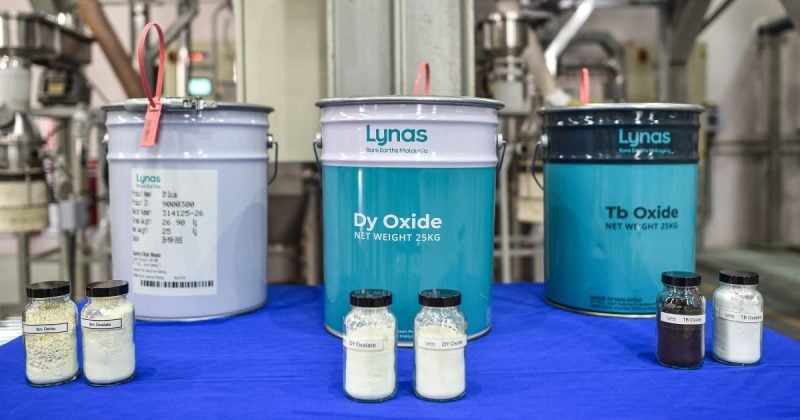
Malaysia is weighing plans to ease its raw rare earths export moratorium to capture soaring global demand, according to a senior government official. The Southeast Asian nation, which holds 16.1 million tonnes of inferred reserves, is considering conditional shipments linked to technology transfers and inbound investments as international miners compete for critical mineral deposits.
Syed Ibrahim Cites Mounting Pressure From States and International Investors
The push to revisit the export freeze stems from intense commercial interest from foreign nations seeking to diversify supply chains fractured by Beijing’s trade curbs. Deputy Natural Resources and Environmental Sustainability Minister Syed Ibrahim Syed Noh acknowledged that authorities are assessing the feasibility of relaxing the restrictions.
He noted that international players from the United States, Australia, France, and India are already knocking at the doors. Any future relaxation of export rules will not be unconditional. Syed Ibrahim emphasized that shipments of raw materials must be tied directly to inbound investments, technology transfers, and research and development conducted outside Malaysia.
French Firm Carester Targets Wastewater-Free Rare Earth Processing in Perak
As Malaysia seeks to build out a comprehensive domestic value chain by 2030, foreign engineering firms are positioning themselves to supply the necessary technical infrastructure.
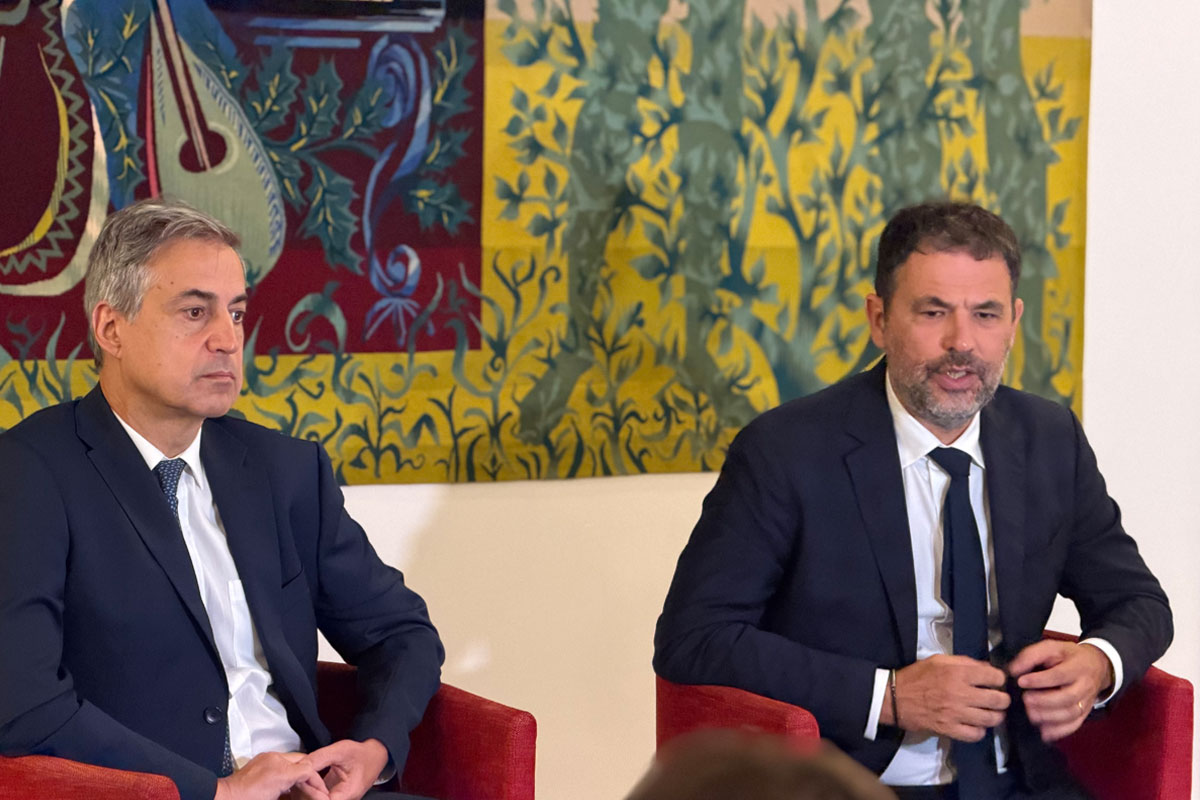
Carester president Frederic Carencotte outlined plans to introduce advanced methods intended to mitigate environmental hazards traditionally associated with rare earth extraction. These include in-situ leaching designed to avoid large tailings ponds and wastewater-free separation processes. The company intends to test its in-situ leaching system on local plantation land while conducting environmental impact assessments across potential feedstock sites in Perak and Kelantan.
US Offtake Agreements, Price Floors, and Foreign Policy Scrutiny
International alliances have deepened rapidly. Following a critical minerals memorandum of understanding signed during a visit by US President Donald Trump, American firms have secured crucial offtake agreements with Malaysian operations backed by price floors set at $110 per kilogram for specific rare earth oxides. Australian miner Lynas Rare Earths Ltd, which operates a major refinery in Gebeng, stands as a primary beneficiary of these arrangements.
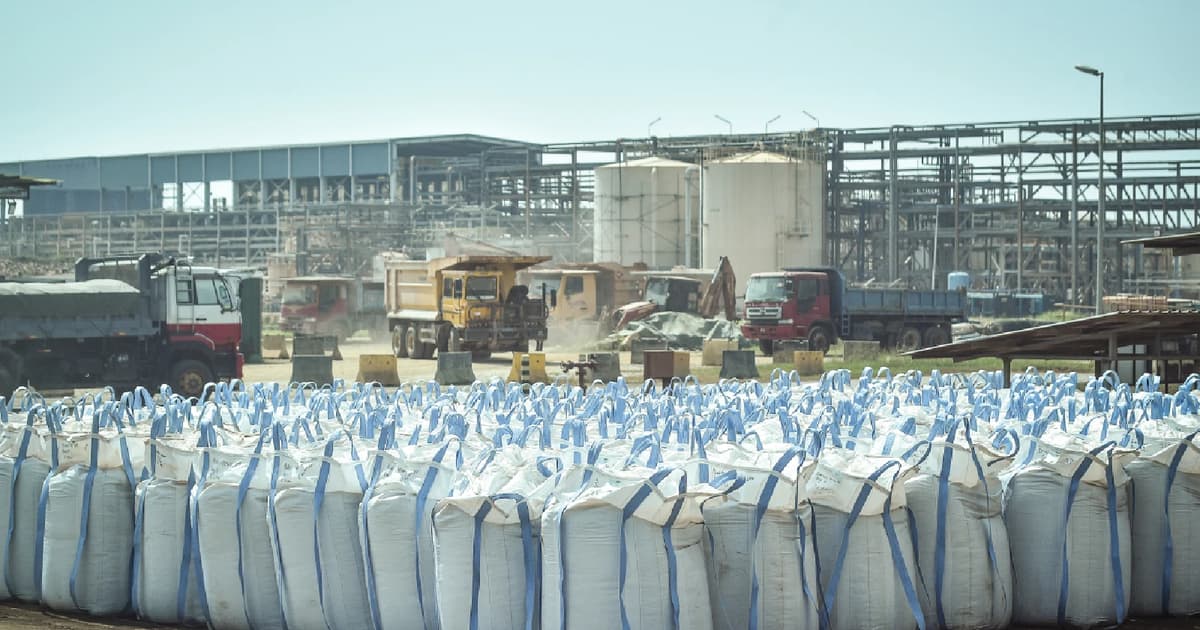
At the same time, geopolitical entanglements are drawing domestic political attention. Lynas has faced parliamentary scrutiny regarding a four-year deal to supply the US military. A special parliamentary committee is investigating whether the agreement aligns with Malaysia’s foreign policy positions, particularly its longstanding support for Palestine amid Washington’s backing of Israel. Syed Ibrahim noted that the government would review the committee’s findings for any policy irregularities once completed.
Balancing Chinese Technological Expertise With Supply Chain Diversification
While Malaysia aims to position itself as a regional critical minerals hub and diversify its technological dependencies to mitigate the risk of over-reliance on a single source, officials maintain a pragmatic approach toward Beijing. China currently controls over 85% of global rare earth processing according to industry tracking.
Syed Ibrahim indicated that Kuala Lumpur will continue engaging with Chinese companies to leverage their decades-long dominance in the sector. If China wants to share the technology, it would be a win-win for all of us,
he said during his interview in Putrajaya. Meanwhile, authorities are mapping out deposits situated largely within protected forest areas to study extraction methods that preserve local biodiversity.
Related reading