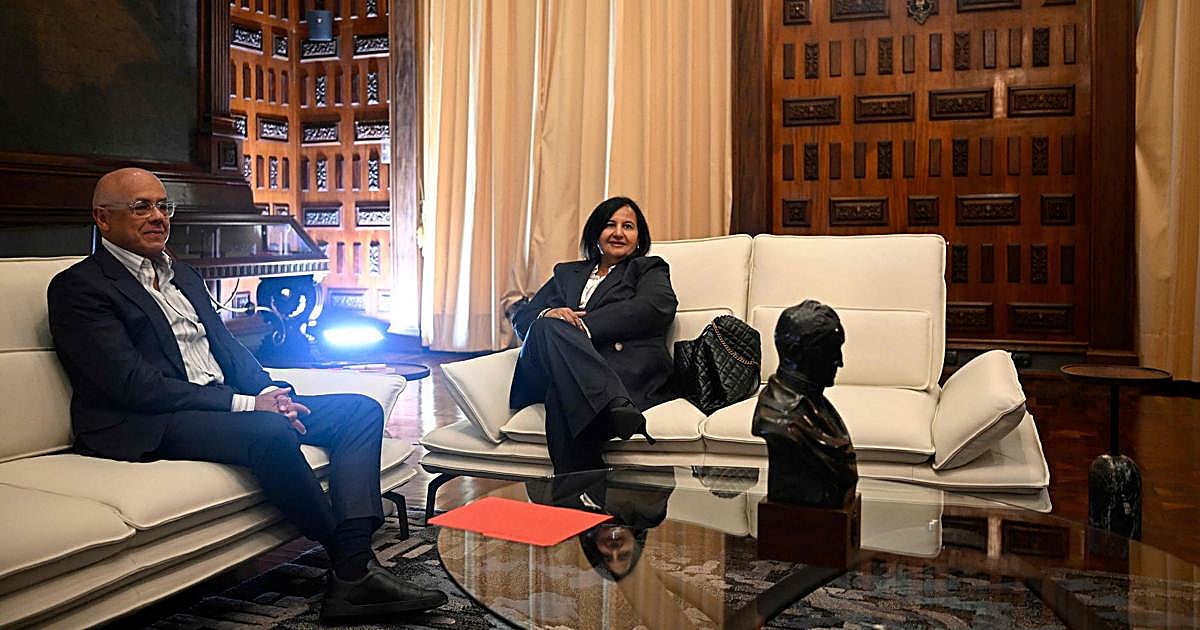
Political engagement between the Venezuelan government and political opposition groups remains heavily restricted, with recent diplomatic exchanges primarily taking place through limited remote channels rather than broad-based domestic negotiations. According to reports by Associated Press and international news outlets, formal structured talks between government representatives and former opposition legislators have faced continuous delays while broader international dynamics shape the framework for future contact.
The diplomatic landscape surrounding Venezuela continues to involve complex maneuvering among domestic factions, regional governments, and Washington. Observers note that while various intermediaries explore pathways toward renewed political engagement, substantive breakthroughs depend heavily on broader diplomatic positioning and foreign policy decisions from the United States, as detailed in reporting by El País.
The current phase of communication contrasts sharply with earlier, more comprehensive dialogue efforts that collapsed in past years. Analysts monitoring the region indicate that remote discussions and filtered channels currently serve as the primary mechanisms for contact, reflecting deep institutional distrust and strict political controls maintained by the administration in Caracas.
Diplomatic Channels and International Pressure
International oversight and foreign mediation have frequently dictated the rhythm of political talks in Venezuela. According to analysis published by CNN, the posture adopted by Washington remains a decisive factor in whether political factions can sustain meaningful negotiations.
Structure of Remote Negotiations
Rather than convening physical plenary sessions inside the country, recent attempts at political communication have relied on telephonic coordination. Reporting from outlets such as El Mundo highlights that this teledirigido approach limits transparency and restricts the scope of debate to immediate logistical and security concerns rather than comprehensive electoral transitions.
Next Steps and Outlook
Keep reading