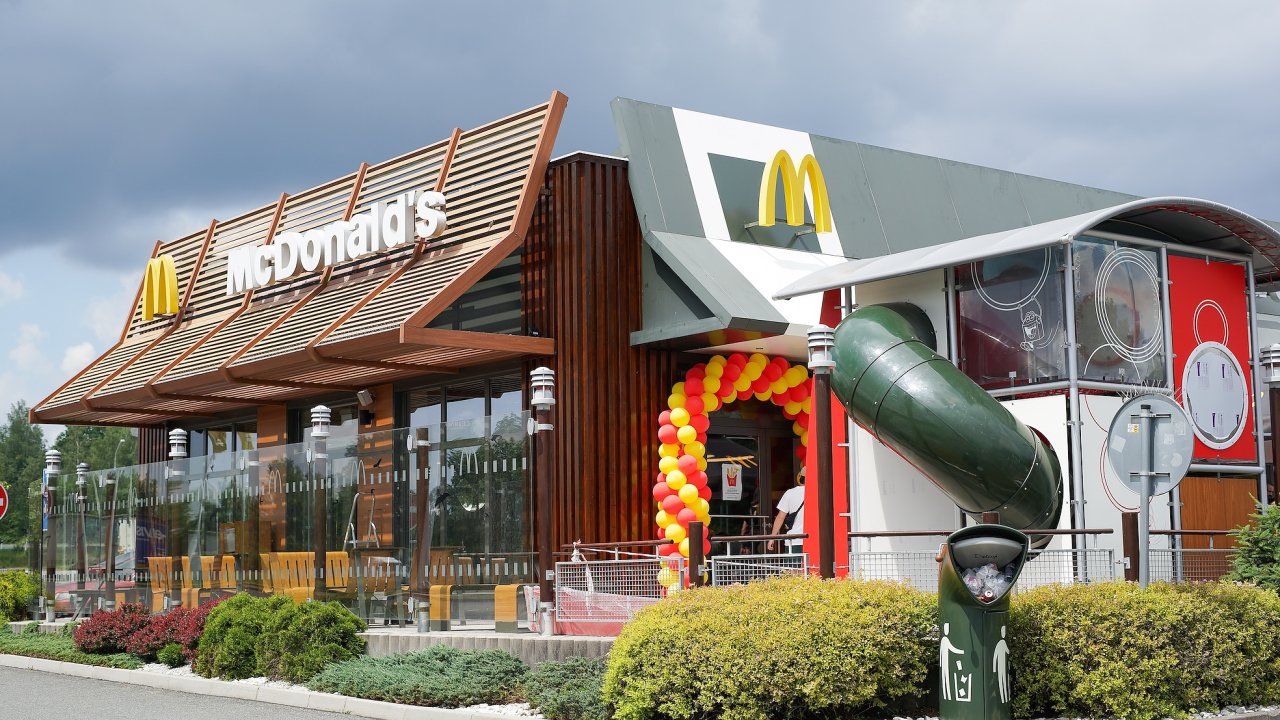
McDonald’s is preparing a major retail offensive in the Czech Republic, targeting non-traditional locations such as transport hubs, smaller municipalities, and drive-thru additions while evaluating significant capital expenditure increases to expand its footprint. According to recent business reporting from Czech financial media, the fast-food chain aims to reach new consumer segments by stepping away from traditional downtown real estate models and standard suburban shopping parks.
The strategic shift comes as quick-service restaurant chains compete intensely for consumer traffic across Central Europe. Company representatives indicate that future development plans involve placing modular or smaller-format units in transit zones and densely populated regional towns that previously lacked sufficient customer density to support a full-sized restaurant.
Market analysts note that capital investment allocations will likely scale up to support these structural real estate adaptations. Franchisees and corporate stakeholders are currently reviewing site options that minimize construction overhead while maximizing daily transaction volumes through digital ordering kiosks and delivery integration.
Expanding Beyond Traditional Suburban Footprints
For decades, major fast-food expansion strategies relied heavily on standalone suburban locations with large parking lots or prominent shopping mall food courts. McDonald’s operations in the Czech Republic are now pivoting toward high-frequency transit nodes, including railway stations and highway corridor stops, to capture commuter traffic.
This localized approach reduces square footage requirements while maintaining high kitchen output capacities through modern automation and digital pre-ordering systems. Industry observers point out that smaller footprints allow the company to secure lease agreements in dense urban micro-locations that were previously inaccessible due to space constraints.
Regional expansion is also a primary component of the upcoming rollout. Towns with populations under 30,000 residents, which historically relied on independent eateries or regional bakeries, are now viewed as viable markets as consumer spending habits and delivery app habits shift outside major metropolitan areas like Prague and Brno.
Capital Investments and Franchisee Integration
Financing this retail expansion requires close collaboration between corporate leadership and local franchise partners. According to commercial real estate assessments, scaling modular restaurant formats requires higher upfront logistics investments, though long-term operating costs often stabilize more quickly than traditional brick-and-mortar builds.
The company has not yet released a definitive multi-year capital expenditure total for the Czech market, but local business filings and industry forecasts suggest that funding will be distributed across digital infrastructure upgrades, supply chain optimization, and property acquisitions over the next fiscal cycle.
Sustainability measures are also expected to play a role in the capital allocation strategy. Newer units increasingly incorporate energy-efficient kitchen equipment, LED lighting systems, and waste-reduction workflows designed to meet corporate environmental targets across European operations.
Consumer Impact and Digital Integration
The shift toward non-traditional locations directly alters how customers interact with the brand. Mobile ordering applications and self-service kiosks will anchor the operational model at these smaller sites, minimizing counter congestion and streamlining order fulfillment for both dine-in and delivery couriers.
As these new branches open across unconventional Czech sites, local economic development agencies are monitoring how increased corporate retail presence influences local commercial rental markets and small business competition. Further updates regarding specific municipal locations and exact investment figures are expected as municipal approval processes conclude later this year.
Readers interested in following corporate developments can review official updates through the McDonald’s Czech Republic newsroom or track commercial real estate filings via regional business registers. We welcome your thoughts and analysis on this expansion in the comments below.
Keep reading