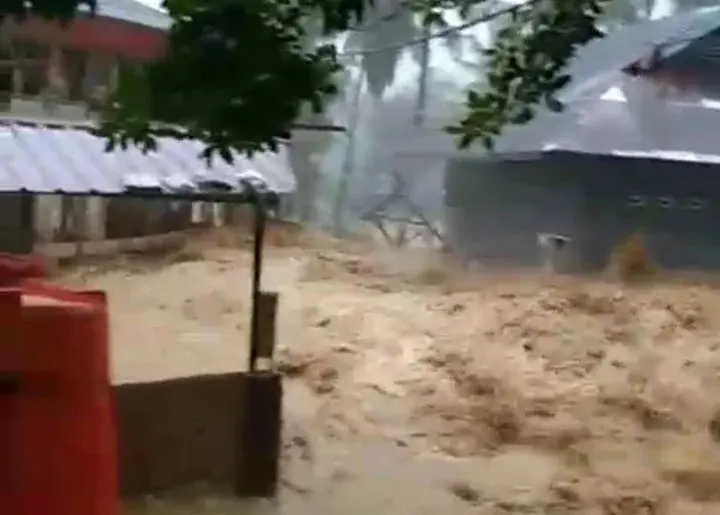
Heavy monsoon downpours have triggered severe flooding across Padang and surrounding areas in West Sumatra, inundating residential neighborhoods, schools, and healthcare facilities while forcing hundreds of residents to evacuate. According to reports from the National Disaster Management Agency (BNPB) and local emergency response teams, floodwaters driven by torrential rains have swept away vehicles and disrupted critical infrastructure throughout the affected region.
The sudden inundation caught many communities off guard as overflow from swollen rivers breached local banks. Emergency responders, including personnel from the Indonesian National Police (Polri), launched rapid evacuation operations to rescue stranded residents from deep water and move vulnerable populations to higher ground. Local disaster mitigation units remain deployed across priority zones to assist families trapped in submerged homes.
Meteorological authorities have warned that severe weather conditions could persist, raising the urgency for continued vigilance across West Sumatra. This report details the scope of the flooding, the meteorological factors driving the deluge, and ongoing emergency response efforts.
Meteorological Factors Behind the Padang Floods
The Meteorology, Climatology, and Geophysical Agency (BMKG) reported that relentless heavy rainfall is the primary driver of the severe flooding in Padang and neighboring districts such as Agam. According to BMKG assessments, atmospheric conditions over the region have favored sustained downpours, leading to rapid runoff and river overflow.
Forecasters have issued high-alert warnings for the next three days, cautioning residents in low-lying areas and near riverbanks to prepare for potential secondary floods and landslides. Regional disaster agencies are monitoring rainfall gauges closely as saturated soils increase the risk of slope instability across mountainous areas surrounding Padang.
Impact on Infrastructure and Public Services
The rising waters have severely disrupted daily life, reaching critical public facilities including hospitals and schools. Floodwaters penetrated ground-floor wards of local healthcare centers, prompting emergency staff to transfer patients to safer areas. Educational institutions suspended in-person classes as classrooms filled with mud and water.
Residential sectors in multiple sub-districts experienced significant damage, with water levels reaching window heights in some neighborhoods. BNPB officials confirmed that the strong currents successfully swept away several motor vehicles parked near drainage canals and residential streets, compounding property losses for local families.
Emergency Evacuations and Government Response
Joint teams of police, military personnel, and volunteer rescue organizations have evacuated hundreds of displaced individuals to temporary shelters and community halls. Relief operations focus on distributing clean water, blankets, and emergency rations to those housed in evacuation centers.
Local authorities are coordinating damage assessments to determine the full extent of structural failures and infrastructure repairs required once water levels recede. Residents in high-risk zones are advised to monitor official updates from local disaster management agencies and comply immediately with evacuation advisories as weather alerts remain in effect.
Related reading