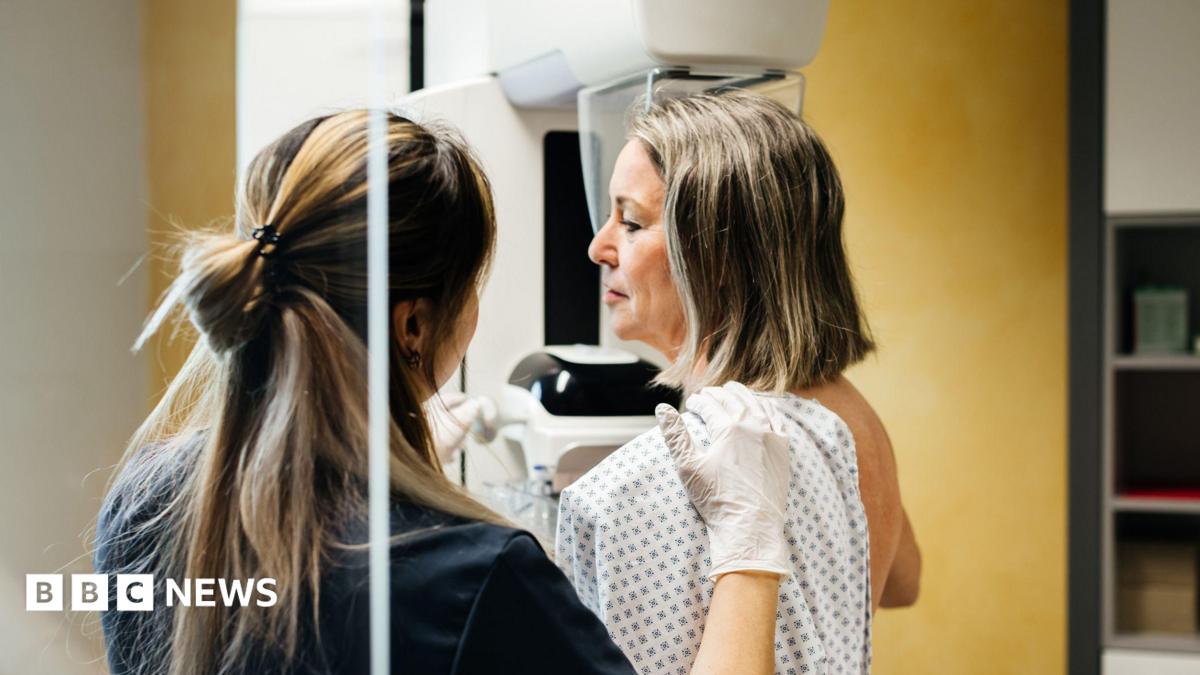
Up to 95 percent of younger women at elevated risk of developing breast cancer are missing out on targeted screening through the National Health Service, according to recent findings from researchers examining early detection pathways. Current diagnostic protocols across the United Kingdom primarily rely on routine age-based parameters, leaving a significant gap for younger populations who carry hereditary markers or familial risk factors. Public health analysts note that standard screening guidelines typically focus on women aged 50 and older, creating a systemic barrier for individuals in their twenties, thirties, and early forties who require specialized surveillance.
The shortfall highlights a growing challenge for health systems attempting to balance population-wide screening efficiency with personalized risk assessment. Medical researchers emphasize that early identification remains critical for successful treatment outcomes, particularly for aggressive forms of the disease that frequently present in younger demographics. Without proactive adjustments to diagnostic criteria, thousands of high-risk patients face delayed detection and limited preventative intervention options.
Experts analyzing the data point to the limitations of existing screening thresholds implemented by health authorities. While age remains a primary epidemiological indicator, genetic predispositions such as BRCA1 and BRCA2 gene mutations, along with dense breast tissue and strong family histories, alter individual risk profiles significantly before age 50. Clinical specialists argue that modern risk-stratification tools must be integrated into primary care networks to identify vulnerable patients long before they reach standard screening age.
Diagnostic Gaps in National Health Service Protocols
The National Health Service currently invites women for routine mammogram screenings starting at age 50 in England, continuing through age 71. While clinicians can refer younger women with acute symptoms or documented high-risk status to specialized clinics, proactive outreach for asymptomatic younger women remains limited. Researchers tracking diagnostic rates report that standard protocols fail to capture the vast majority of individuals who inherit genetic vulnerabilities or face elevated lifetime risks.
Public health reviews indicate that risk assessment models are infrequently utilized during routine general practitioner consultations for younger cohorts. Consequently, many women remain unaware of their elevated risk status until symptoms manifest physically, often at a more advanced stage. Medical societies continue to call for systematic risk questionnaires during primary care visits to flag candidates for magnetic resonance imaging or earlier mammographic surveillance.
The economic and logistical implications of expanding screening programs present ongoing debates among health economists and policymakers. Implementing widespread genetic counseling and earlier imaging for younger cohorts requires substantial resource allocation, specialized staffing, and expanded laboratory capacity. Proponents of reform argue that early intervention ultimately reduces long-term treatment costs and improves survival rates, offsetting initial diagnostic expenditures.
Clinical Perspectives and Recommendations for High-Risk Patients
Medical professionals advocating for revised screening criteria stress the importance of individualized risk assessment models over rigid age cutoffs. Oncologists and genetic counselors recommend that women with a family history of breast or ovarian cancer consult their general practitioners to discuss personalized risk evaluations. Specialized clinics can provide genetic testing and determine whether enhanced surveillance, including annual MRI scans, is warranted.
Patient advocacy groups have amplified calls for transparent guidelines regarding hereditary cancer risks across the health service. Organizations emphasize that younger women should not have to navigate complex referral pathways independently to access necessary diagnostic monitoring. Educational campaigns aim to empower individuals to understand their family health history and advocate for appropriate risk assessments during primary care consultations.
Ongoing clinical studies continue to evaluate the efficacy of risk-adapted screening models in reducing late-stage diagnoses among younger demographics. Health authorities are reviewing emerging data to determine how primary care infrastructure can better support targeted surveillance without overwhelming diagnostic departments. Further updates on clinical guideline revisions are expected as advisory committees evaluate new evidence regarding hereditary risk factors and early detection technologies.
Keep reading