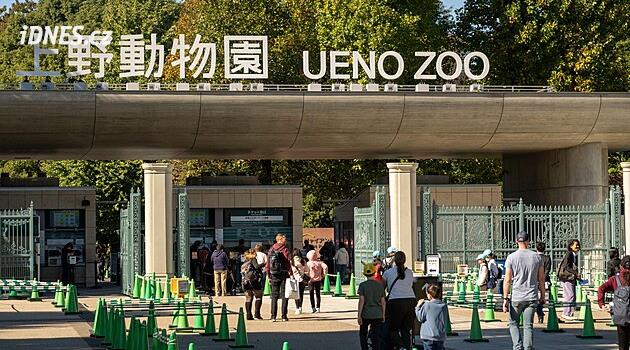
Japan’s regional zoos face an intensifying operational crisis defined by shrinking municipal budgets, severe staffing shortages, and declining visitor numbers that leave facilities struggling to provide adequate care for their animal populations. According to reports from public broadcasters and municipal oversight bodies, local governments across the country are grappling with aging infrastructure and post-pandemic economic pressures that directly threaten the long-term viability of community zoological parks.
The convergence of fiscal austerity and demographic shifts in rural and suburban prefectures has created a precarious environment for animal welfare. As municipal tax bases contract and maintenance costs rise, facility directors report mounting difficulties in retaining specialized keepers, updating aging enclosures, and securing the diverse food supplies required for exotic species. While major metropolitan institutions in Tokyo and Osaka maintain steady tourism revenue, smaller regional facilities face acute financial strain.
Understanding the root causes and systemic impacts of this operational downturn requires examining how local governance structures fund public attractions. This analysis explores the financial pressures, demographic factors, and animal welfare challenges currently testing Japan’s zoological sector.
Shrinking Municipal Budgets and Fiscal Pressures
Most regional zoos in Japan operate as municipal public services funded directly by local government coffers rather than private endowments or corporate sponsorships. According to municipal financial disclosures, decades of economic stagnation combined with a rapidly aging national population have forced local assemblies to prioritize core social services, such as healthcare and eldercare, over recreational and educational facilities like zoos.
Maintenance deferred during earlier budget cycles has now accumulated into expensive capital repair requirements. Facilities report leaking roofs in tropical greenhouses, deteriorating perimeter fencing, and outdated life-support systems for aquatic exhibits. Because local tax revenues continue to decline in non-metropolitan prefectures, municipal leaders frequently propose budget cuts that directly reduce animal acquisition funds and veterinary medical supplies.
To offset these shortfalls, some regional parks have attempted to launch crowdfunding campaigns or implement modest admission fee increases. However, regional economic realities limit how much local families can pay, meaning ticket sales rarely bridge the widening gap between operational expenses and municipal subsidies.
Staffing Shortages and Loss of Specialized Expertise
Beyond capital deficits, Japanese regional zoos face a severe human resources crisis. Zoological management associations note that low civil service wages, combined with the physical demands of zookeeping, make it increasingly difficult to attract and retain younger workers.
Public sector hiring caps restrict the number of full-time staff positions available, forcing facilities to rely on temporary or part-time employees who lack long-term training in animal husbandry. Experienced curators and specialized wildlife veterinarians are retiring without a sufficient pool of qualified successors to take their places. This shortage directly impacts daily enrichment programs, veterinary monitoring, and preventative health care routines critical to maintaining high standards of animal welfare.
Furthermore, reduced staffing levels limit educational outreach and community engagement programs, which traditionally served as the primary driver for repeat visitors and school field trips. When staff are stretched thin maintaining basic feeding and cleaning schedules, community programming is often the first operational area to be scaled back.
Declining Visitor Numbers and Demographic Shifts
Demographic change acts as a primary catalyst for the drop in gate receipts. Japan’s falling birth rate means fewer children and school groups visit regional parks each year, while the growth of the elderly population alters leisure habits across many prefectures.
Compounding these structural trends, regional tourism patterns have shifted. Domestic travelers increasingly favor major urban entertainment destinations or international travel over local municipal attractions. Without capital investment to modernize exhibits into immersive, naturalistic habitats—similar to those found in larger metropolitan zoos—regional parks struggle to capture public interest.
Industry analysts indicate that public expectations regarding animal welfare have evolved significantly. Modern visitors expect spacious, environmentally enriched enclosures that prioritize psychological and physical well-being over traditional concrete cages. When regional zoos cannot afford these modernizations, visitor dissatisfaction grows, accelerating the downward trend in ticket sales and municipal revenue.
Impact on Animal Populations and Welfare Standards
The compounding pressures of underfunding and understaffing translate directly to operational challenges for animal management. Zoos report difficulties in participating in domestic and international breeding programs coordinated by regional associations, as transferring animals between facilities involves high transport costs and strict quarantine requirements.
When facilities cannot afford necessary enclosure upgrades or specialized diets, animal health can be compromised. Oversight bodies and animal welfare advocates emphasize that routine veterinary checks and specialized dietary regimens require consistent funding that municipal budgets can no longer guarantee. In severe cases, facilities have had to suspend plans to acquire new species or allow aging populations to decline without replacement.
National zoological associations continue to lobby central government ministries for emergency operational subsidies and structural reform proposals to safeguard animal welfare standards across all prefectures. Stakeholders await upcoming municipal budget allocations and national Diet committee reviews regarding public cultural funding to determine whether emergency financial relief will materialize for struggling regional facilities.
To share feedback or report corrections for this article, please reach out to the World Today Journal editorial desk.
Worth a look