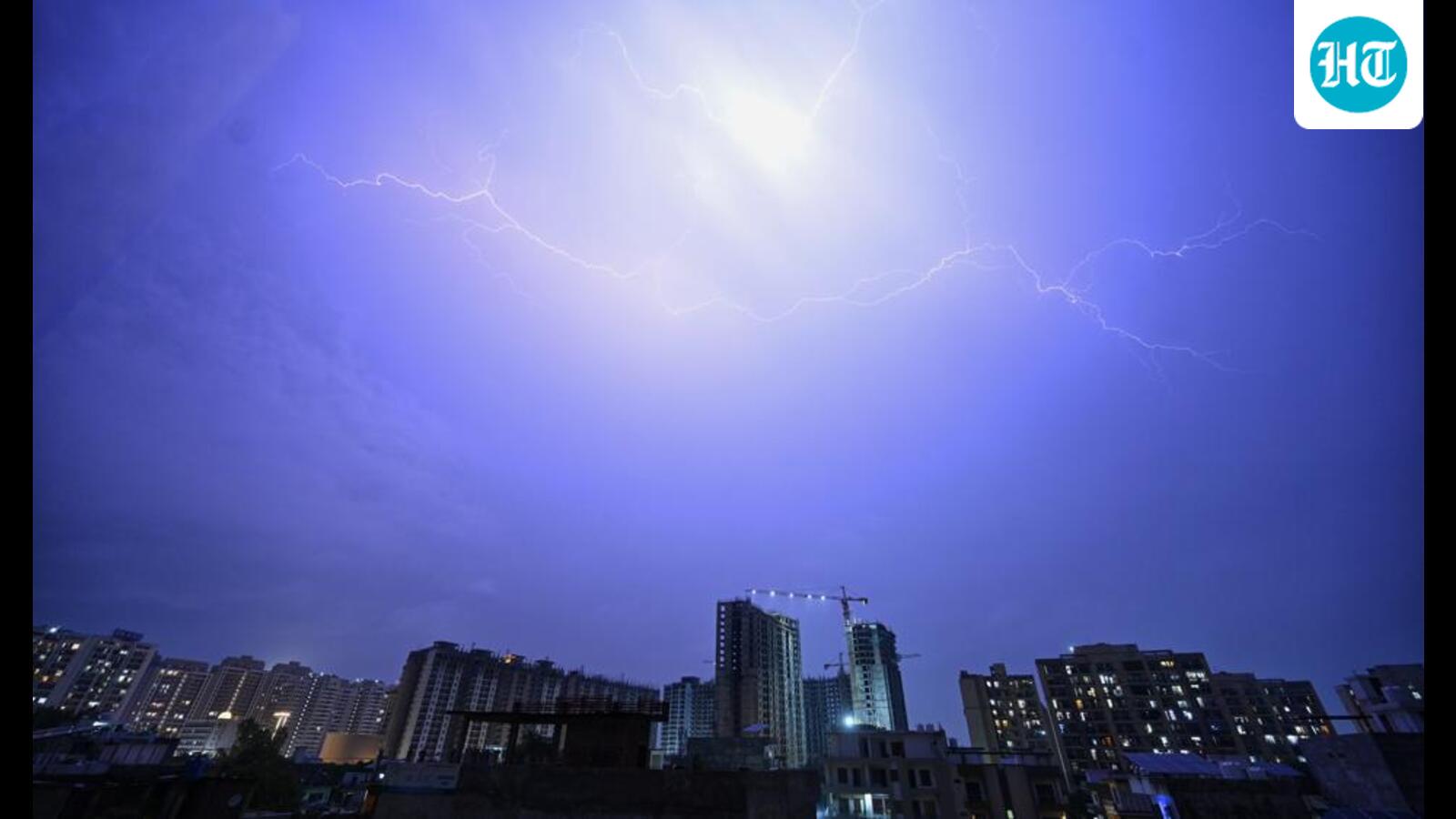
Monsoon rainfall patterns across Uttar Pradesh have triggered widespread agricultural concern as state meteorological data indicates below-normal precipitation for August and September, even as brief showers offer temporary relief to urban centers like Lucknow. According to the India Meteorological Department (IMD), approximately 51 districts across the state are experiencing significant monsoon deficits, prompting yellow alerts for heavy downpours in select localized pockets.
The erratic progression of the seasonal weather system has created a stark divide across the northern Indian state. While urban residents in Lucknow welcomed a drop in temperatures following light to moderate spells, farming communities in more than fifty rural districts face mounting stress over crop hydration during critical growth stages. Agricultural economists and meteorological analysts note that prolonged dry spells threaten paddy cultivation unless sustained precipitation arrives before the withdrawal phase begins.
State disaster management authorities and district administrations have been directed to monitor precipitation levels closely. The IMD’s regional forecast highlights a high probability of heavy rainfall in roughly 40 specific districts over the coming days, creating a complex scenario where localized flooding risks run parallel to broader regional dry conditions.
Monsoon Deficits Threaten Uttar Pradesh Agriculture
The agricultural impact of the delayed and erratic monsoon centers heavily on the kharif crop season, which relies deeply on steady rainfall through August and September. According to state agriculture department assessments, districts in the eastern and southern regions of Uttar Pradesh have absorbed the brunt of the seasonal shortfall. Farmers in these areas report delayed sowing and increased reliance on groundwater irrigation, driving up operational costs.
Meteorologists attribute the erratic behavior of the weather system to shifting low-pressure areas over the Bay of Bengal, which have frequently redirected moisture away from the Indo-Gangetic plains. This atmospheric shift explains why major urban zones receive only fleeting relief while surrounding agricultural belts remain dry. State officials maintain that local irrigation networks are operating at maximum capacity to bridge the moisture gap for vulnerable crops.
Agricultural extension offices have issued advisories encouraging farmers to adopt soil-moisture conservation techniques. Government agencies are also coordinating with power distribution corporations to ensure uninterrupted electricity supply for rural tube wells, mitigating the financial strain on agrarian households facing extended dry windows.
IMD Issues Weather Alerts Across Affected Districts
The IMD has issued a yellow weather alert covering approximately 40 districts, warning residents and local authorities of potential heavy spells, lightning, and gusty winds. These targeted alerts are designed to give district magistrates adequate lead time to prepare for sudden waterlogging in low-lying urban areas and prevent flash flooding near swollen minor tributaries.
Emergency response teams remain stationed in high-risk zones, particularly along river basins where rapid runoff from localized cloudbursts can cause sudden water level spikes. State disaster management officials emphasize that while the broader monthly totals remain below historical averages, intense short-duration downpours pose distinct infrastructure challenges that require active municipal monitoring.
Public health departments have also stepped up vector-borne disease surveillance in districts experiencing alternating cycles of heavy rain and high humidity. Stagnant water pooling after sudden downpours creates breeding grounds for mosquitoes, prompting local municipal bodies to launch intensive sanitation and fogging drives.
Outlook and Official Resources
Weather models suggest that the remainder of the monsoon season will remain volatile, characterized by intermittent dry spells punctuated by isolated heavy downpours rather than steady, widespread rainfall. State authorities continue to update daily forecasts through the official India Meteorological Department portal, where citizens can track district-specific weather warnings and precipitation updates.
Farmers and residents in affected zones are advised to monitor official advisories issued by the Relief Commissioner of Uttar Pradesh for real-time disaster management updates and agricultural support guidelines. Further meteorological reviews are scheduled as the monsoon approaches its traditional withdrawal window later in September.