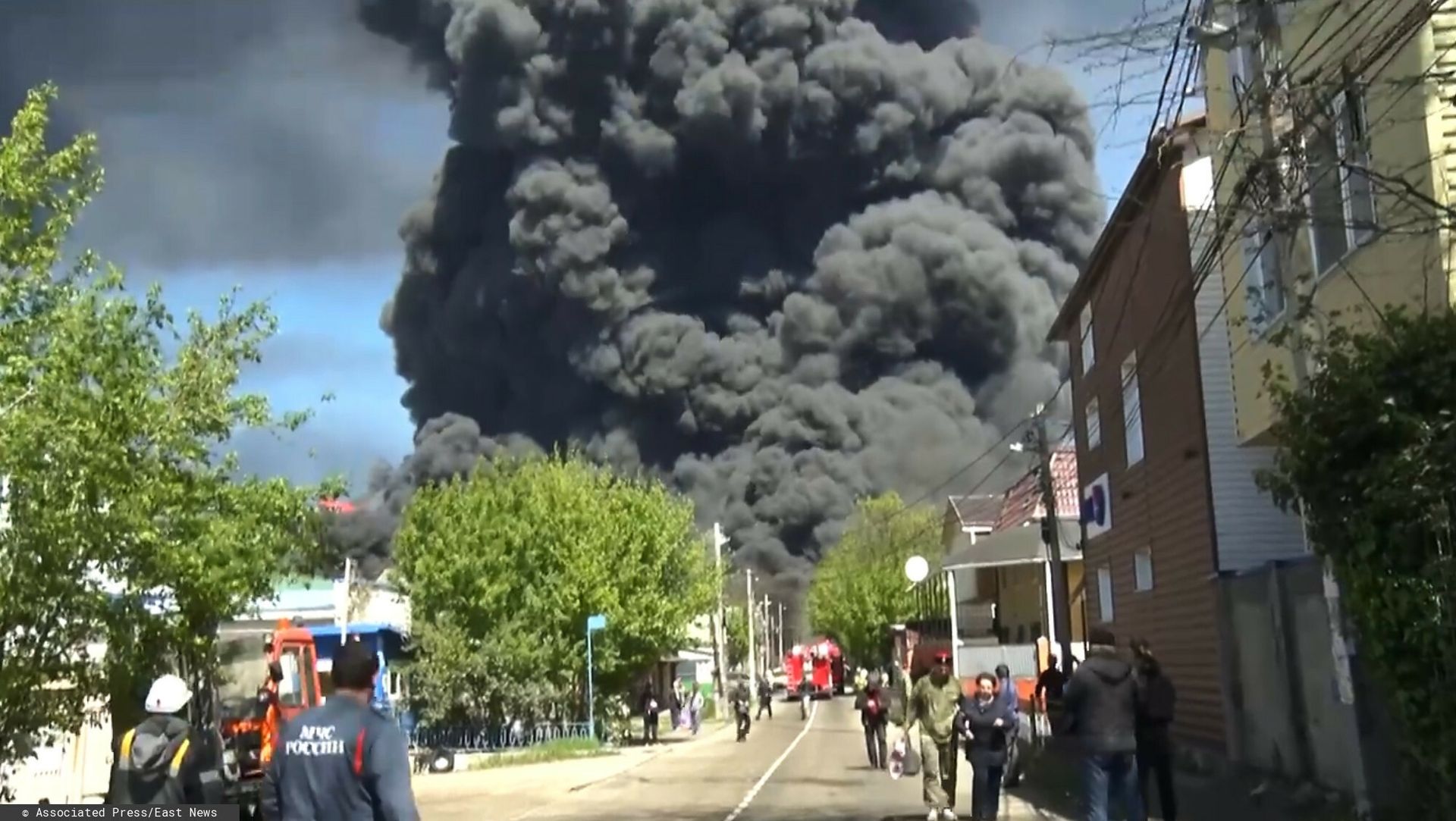
Long-range drone strikes targeting Russian energy infrastructure have exposed deep technological vulnerabilities within the country’s petroleum sector, forcing operators to grapple with aging Soviet-era refinery equipment that proves exceedingly difficult to repair. According to reporting by Rzeczpospolita, unmanned aerial vehicle attacks have disrupted domestic fuel manufacturing, leaving key processing units damaged without immediate domestic alternatives for replacement parts.
The ongoing disruptions have rippled across the domestic market, dragging Russian crude oil refining output down, as reported by TVP Info. With primary distillation units offline, fuel shortages have prompted unusual import measures, including gasoline purchases from Morocco, according to data from e-petrol.pl. Consumers and industrial operators alike now face strict supply limits, rising complaints, and logistical bottlenecks that underscore the long-term industrial toll of the conflict on regional energy supplies, as detailed by WP Wiadomości.
Aging Soviet Architecture Meets Modern Industrial Vulnerability
The structural vulnerability of Russian refineries lies in their reliance on Soviet-era design principles. Built during the Soviet era, facilities depend on machinery that is difficult to repair.
Fuel Markets React to Production Deficits
Domestic retail and wholesale markets have absorbed the immediate shock of reduced refinery throughput. Motorists across several regions have encountered fuel rationing and distribution quotas. The squeeze has forced state planners to seek alternative external suppliers to plug short-term domestic deficits.
Recent trade assessments highlight a shift in fuel sourcing, with domestic distributors looking toward North African markets to secure refined product shipments.
Logistical Bottlenecks and Transport Strain
Local reports detail rising frequencies of smoking machinery as operators push remaining operational units to compensate for offline capacity elsewhere.
Outlook and Official Monitoring
Energy sector observers continue to monitor repair schedules at key regional processing hubs. Further updates on domestic fuel quotas and import adjustments are expected.
We welcome your perspectives on these developments. Please share your thoughts or join the conversation in the comments below.
Related reading
- Japan Airlines Shares Drop 1.4% Following Latest Earnings Report
- Google Pulls Nano Banana 2 From Google Earth After OSINT Backlash
- Microsoft Attributes CaptiveCrunch to Russian Threat Actor Midnight Blizzard (archynewsy.com)
- Microsoft Links CaptiveCrunch to Russian Threat Actor Midnight Blizzard (newsdirectory3.com)