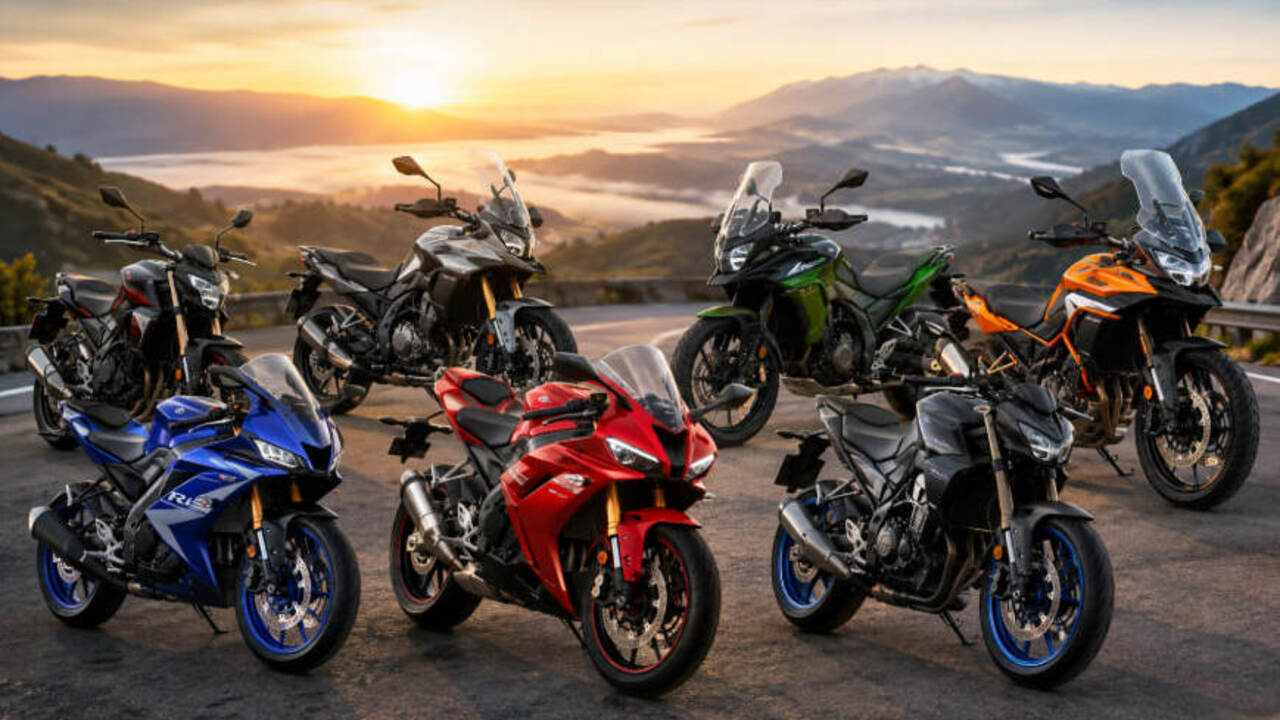
Choosing a motorcycle for daily commuting and long-distance touring requires balancing fuel efficiency, ergonomic comfort, and mechanical reliability. Riders navigating congested urban streets and open highways frequently evaluate machines that offer upright riding positions, responsive power delivery, and durable chassis designs. Market offerings span lightweight urban commuters to high-displacement adventure machines, giving riders multiple choices depending on their typical routes and riding style.
According to regional automotive and lifestyle publications tracking motorcycle trends, riders often transition from smaller urban scooters to versatile manual motorcycles as their experience grows. This shift drives strong interest in models that perform well during weekday work commutes while remaining capable of handling multi-hour weekend road trips without causing rider fatigue.
Understanding the mechanical specifications, seating ergonomics, and fuel range of these motorcycles helps prospective buyers match a machine to their specific daily demands. Industry analysts note that touring comfort relies heavily on suspension travel, handlebar placement, and wind deflection capabilities during extended highway runs.
Evaluating Daily Commuting and Long-Distance Requirements
Daily urban riding demands agile handling, light clutch operation, and predictable low-end torque to navigate stop-and-go traffic smoothly. Conversely, long-distance touring places a premium on seat cushioning, vibration control at sustained highway speeds, and luggage mounting options for carrying gear safely. Motorcycles that successfully bridge these two use cases usually feature semi-upright handlebars that reduce wrist strain and leg geometries that prevent hip cramping over long hours in the saddle.
Fuel tank capacity also dictates touring efficiency. Machines equipped with larger reservoirs reduce the frequency of fuel stops during cross-country or inter-city transit. Additionally, modern fuel-injection systems optimize combustion efficiency, keeping operational costs manageable for daily commuters who rely on their motorcycles as primary transportation.
Popular Motorcycle Categories for Touring and Commuting
The 150cc to 250cc displacement bracket represents a common entry point for riders seeking manual control and enhanced highway capability compared to standard automatic scooters. These motorcycles generally offer manageable wet weights, accessible seat heights, and sufficient top-end power to keep pace with fast-moving highway traffic without intimidating newer operators.
Meanwhile, higher-displacement adventure and sport-touring models provide advanced electronics such as anti-lock braking systems (ABS), adjustable suspension dampening, and traction control. These features enhance safety across diverse road conditions, ranging from slick urban asphalt during rainstorms to loose gravel surfaces on rural detour routes.
Market Dynamics and Rider Preferences
Consumer preferences vary widely across global markets, influenced by local infrastructure, fuel prices, and touring culture. In Southeast Asia, versatile manual and semi-automatic configurations maintain strong popularity due to their adaptability across mixed road conditions. Regional enthusiasts frequently share modifications and touring logs online, highlighting specific models that excel in tropical climates and rugged terrain.
Dealership networks and manufacturer support also influence purchasing decisions. Access to authorized service centers, genuine replacement parts, and aftermarket accessories ensures that riders can maintain their motorcycles properly over tens of thousands of kilometers of touring use.
Next Steps for Prospective Buyers
Prospective motorcycle buyers should review official manufacturer specifications, schedule physical test rides, and consult independent consumer safety evaluations before finalizing a purchase. Dealerships typically provide demonstration models to assess ergonomics and handling dynamics firsthand.
Keep reading