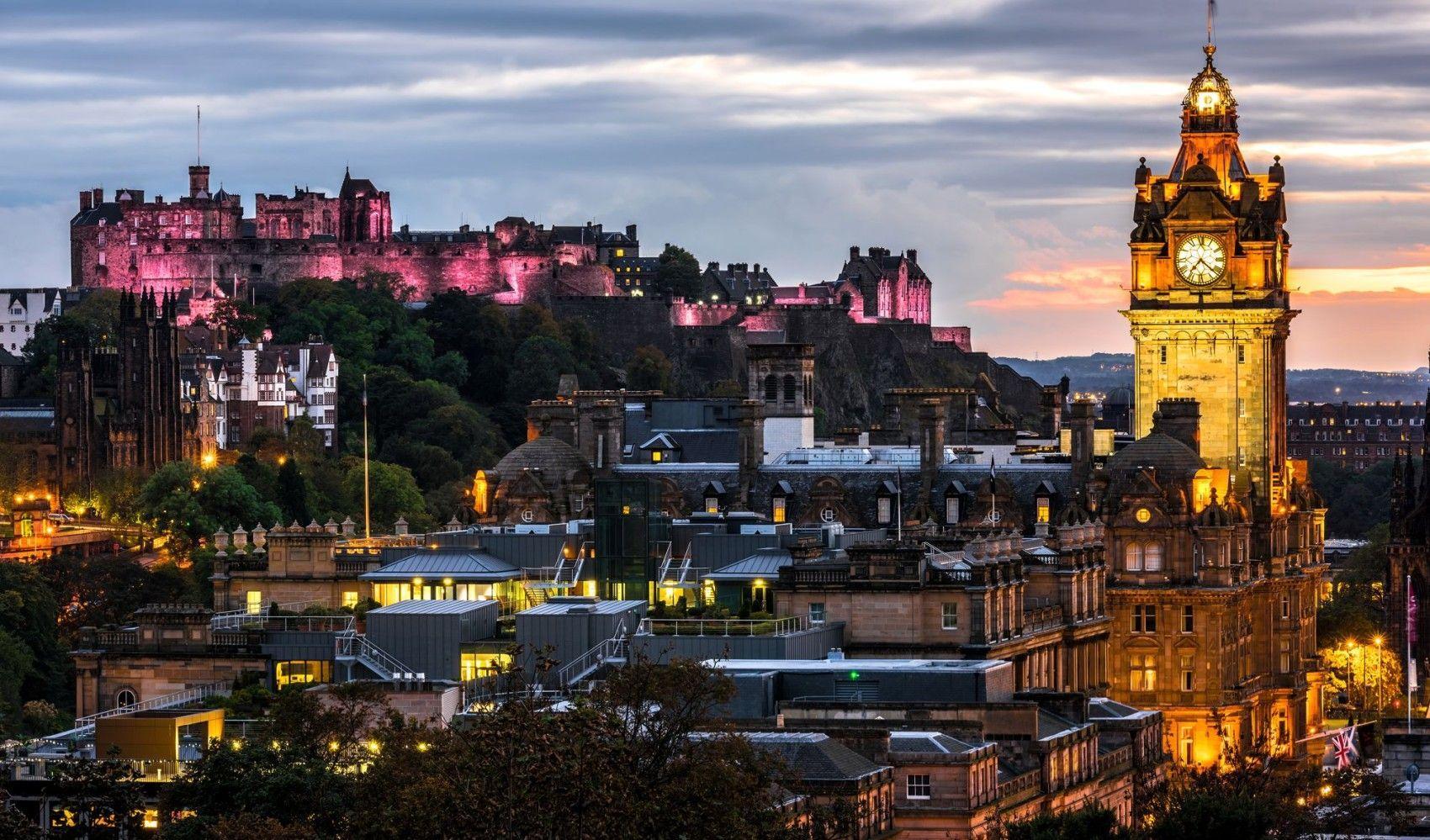
The Edinburgh Festival Fringe returns to the Scottish capital for a three-week run featuring thousands of shows, prompting ongoing discussions about affordability, artist welfare, and accessibility. Ahead of the festival’s opening, Guardian comedy critic Brian Logan addressed reader questions regarding the event’s evolution, financial pressures on performers, and the introduction of dynamic ticket pricing.
Spanning multiple venues across Edinburgh, the annual performing arts gathering regularly showcases over 4,000 shows, serving as a major launchpad for international comedy and theatrical acts. However, the festival’s massive scale has amplified long-standing concerns regarding accessibility for emerging talent and audience demographics. Organizers and critics alike continue to scrutinize how mounting operational costs shape the modern fringe landscape.
Logan, who has covered the festival for years, previously highlighted systemic financial hurdles within the industry.
Financial Pressures and Artist Accessibility
These financial barriers raise critical questions about who can afford to perform, potentially sidelining diverse voices and independent artists who lack institutional backing.
In response to these economic realities, discussions around ticket pricing models have intensified. The introduction of dynamic pricing mechanisms for select shows has sparked debate over audience access and affordability.
Evaluating the Evolution of the Fringe
Logan’s ongoing coverage and public Q&A sessions provide a direct channel for audiences to examine these pressures firsthand.
Next Steps and Official Updates
Related reading