
Iberia has chartered a special flight for the August 12, 2026 total solar eclipse, allowing scientists and online viewers to observe the celestial event from 30,000 feet. Flight IB1473 will take off from Madrid and follow a route over Palencia, offering a clear view as the Iberian Peninsula experiences its first total solar eclipse since 1912.
Flight IB1473 and the Path of Totality Over Spain
On August 12, 2026, the Iberian Peninsula will rank among the premier locations worldwide to witness a total solar eclipse as the sun dips low on the horizon. While millions gather on land within the narrow path of totality—which spans eastern Greenland, western Iceland, and northern Spain—national flag carrier Iberia is set to charter a plane for the total solar eclipse to capture the phenomenon above any cloud cover.
Flight IB1473 takes its designation from the birth year of astronomer Nicolaus Copernicus. The aircraft will depart from Adolfo Suárez Madrid-Barajas Airport and trace a dedicated route over Palencia. By taking to the air, researchers and virtual spectators bypass the atmospheric turbulence that frequently hinders ground-based observation.
A contingent of scientists from the Shelios project will occupy seats on board to examine the solar corona. Meanwhile, the airline plans to live stream the journey across social media platforms. For travelers on the ground, major European population centers such as London, Paris, Brussels, and Lisbon will observe a partial eclipse, while Madrid and Barcelona record 99% coverage just outside the boundary of complete totality.
Rare Alignments and Safety Protocols for August 12, 2026
Total solar eclipses rank among the rarest sights in the sky, with any given location on Earth experiencing one only about once every 375 years. This scarcity stems from the orbital mechanics of the Moon, whose path is tilted relative to Earth’s equator and follows an elliptical loop. Distance variations cause the Moon to appear between 220,000 and 250,000 miles from Earth, meaning it occasionally looks too small to fully block the solar disk. Furthermore, because roughly 70% of the planet is covered by oceans, many eclipse trajectories traverse open water.
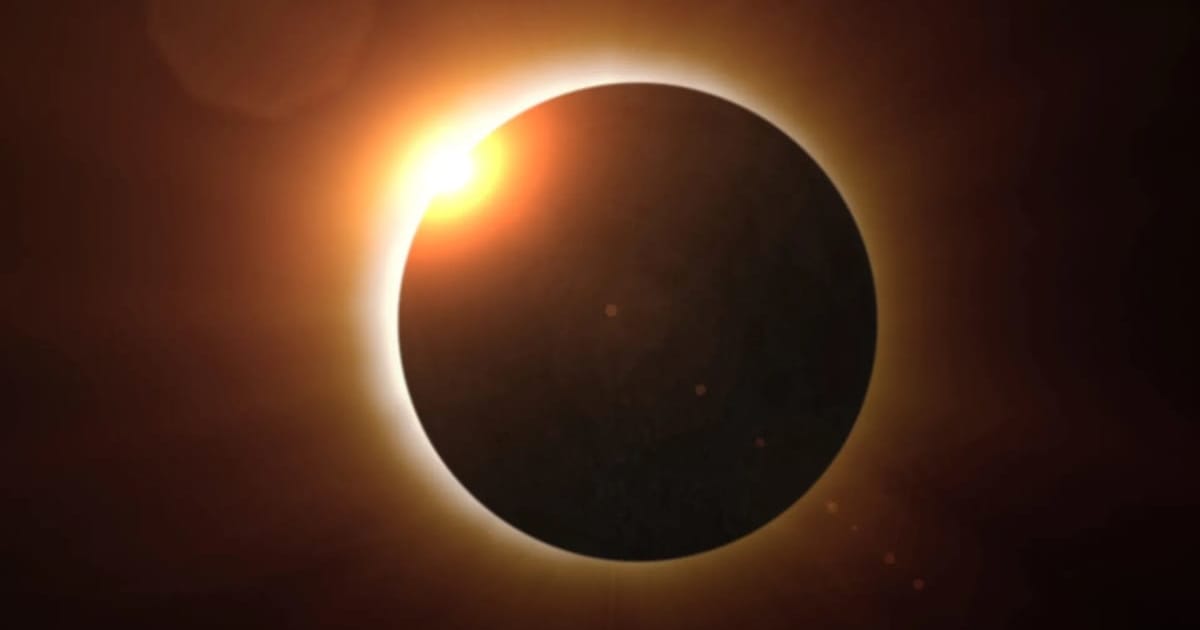
For those watching from land, safety remains paramount. Astronomers and space agencies stress that viewing the unblocked or partially covered Sun without specialized equipment leads to immediate, permanent damage. Direct observation through cameras, binoculars, or telescopes without protective gear can destroy retinal cells within seconds.
NASA emphasizes that viewing the unblocked or partially covered Sun without specialized equipment leads to immediate, permanent damage.
Icelandic Skies and the Speculative Search for Northern Lights
In western Iceland, August 12’s total solar eclipse will only be visible from a narrow 180-mile (290-kilometer) path of totality. The event marks the Iberian Peninsula’s first total solar eclipse since 1912.
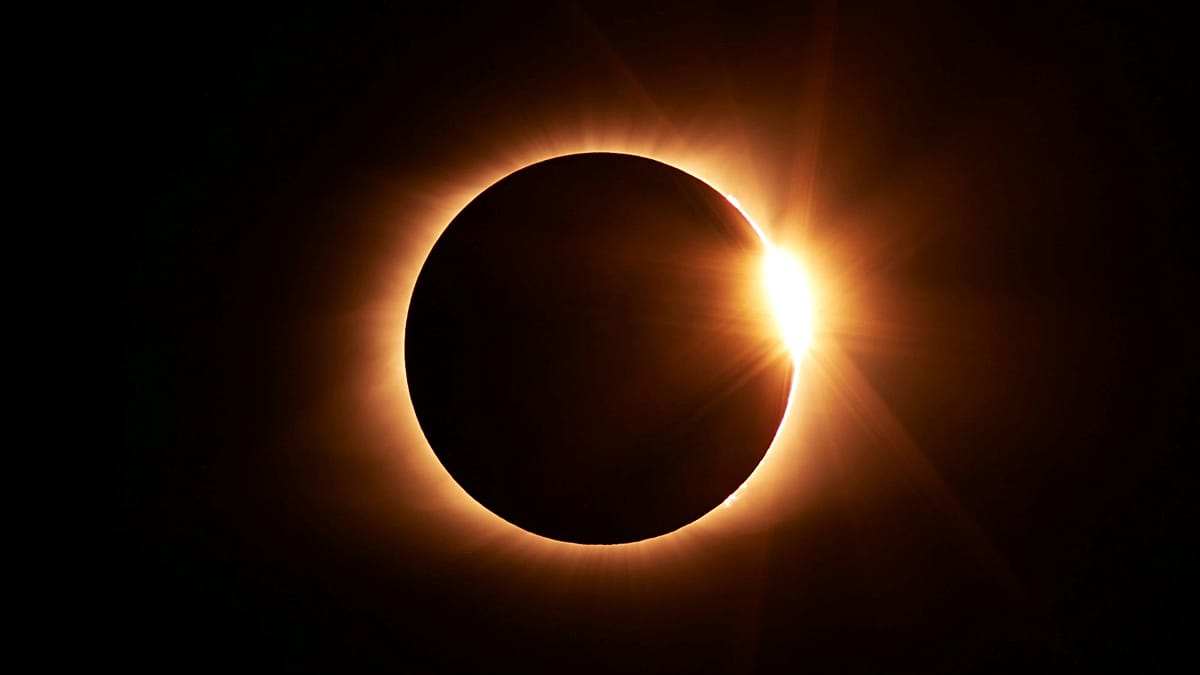
To investigate these atmospheric shifts, citizen science initiatives like Aurorasaurus are mobilizing observers across Iceland and Greenland. NASA heliophysicist Liz MacDonald, founder of Aurorasaurus, is stationed on Iceland’s Snæfellsnes Peninsula to deploy an all-sky fisheye camera. Even if auroras fail to materialize, cloud-free negative reports will assist researchers in analyzing the electromagnetic environment during the rapid daytime darkening.
Related reading
- Apple Challenges UK Government Demand for Encrypted iCloud Data Access
- Baldur’s Gate 3: New Major Update and Best Price Deals on PC, PS5, and Xbox
- August 12 Total Eclipse and Perseids Meteor Shower: Tips for Mobile Photography (world-today-news.com)
- PA School Bus Aide Arrested for Assaulting Special Needs Student (archyde.com)