
A final post-hoc analysis of the global phase III TOPAZ-1 trial published in JAMA Oncology reveals that adding durvalumab to standard gemcitabine and cisplatin maintains a significant survival benefit after four years for patients with advanced biliary tract cancer, according to findings released on July 9, 2026.
Long-Term Survival Data From the TOPAZ-1 Four-Year Follow-Up
The extended follow-up data demonstrates that the initial survival advantages of immunotherapy combined with chemotherapy endure over time.
The hazard ratio for death stood at 0.75, representing a 25% lower risk of death for participants assigned to the immunotherapy arm. By the 48-month data cutoff of February 28, 2025, the estimated overall survival rate reached 11.8% in the durvalumab group, contrasted with 4.3% in the placebo group, creating an overall survival rate ratio of 2.74 in favour of the durvalumab-containing treatment.
“Durvalumab plus gemcitabine and cisplatin was recently established as the first-line standard of care among patients with advanced biliary tract cancer.”
Study investigators, via Ascopost
Global Trial Design and Patient Demographics
Investigators randomized the cohort in a 1:1 ratio, assigning 341 patients to receive durvalumab alongside gemcitabine and cisplatin, and 344 patients to receive a placebo with the same chemotherapy backbone.
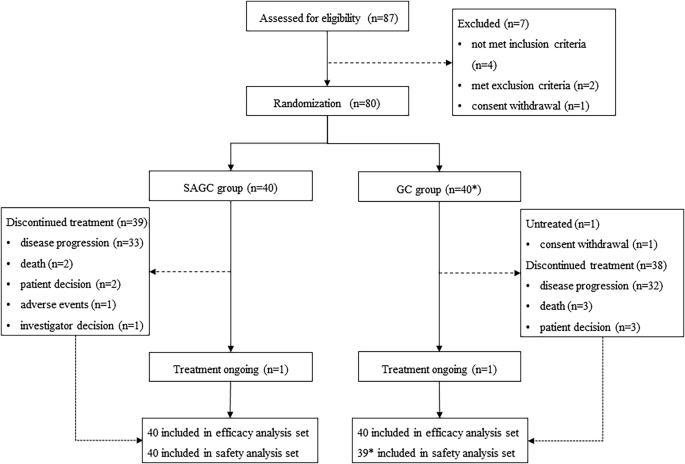
Treatment protocols involved intravenous durvalumab administered at a dose of 1,500 mg, paired with gemcitabine at 1,000 mg/m² and cisplatin at 25 mg/m² on days 1 and 8 of each 21-day cycle for up to eight cycles. This initial phase was followed by monotherapy maintenance using either durvalumab or placebo every four weeks until discontinuation criteria were met. Randomization stratification accounted for disease status and primary tumor locations, which included intrahepatic cholangiocarcinoma, extrahepatic cholangiocarcinoma, and gallbladder cancer.
Safety Profile and Subsequent Therapy Use
Extended monitoring confirmed no new safety signals during the prolonged follow-up period. Among safety-evaluable participants, serious adverse events considered possibly related to treatment occurred at comparable rates between the arms: 15.4% for the durvalumab group and 17.3% for the placebo group. Adverse events leading to treatment discontinuation remained low at 6.2% and 5.3% respectively.

Immune-mediated adverse events emerged more frequently in patients receiving the immunotherapy, appearing in 30.2% of the durvalumab cohort compared with 20.8% in the placebo cohort. Cytotoxic chemotherapy served as the predominant subsequent anticancer therapy across both arms, while subsequent immunotherapy was administered to 3.8% of patients in the durvalumab arm and 8.1% in the placebo arm. At the final data cutoff, seven patients in the durvalumab group remained on study treatment, while zero patients in the placebo group remained active.
Clinical Significance and Expert Conclusions
The corresponding author for the research published in Ascopost is Do-Youn Oh of Seoul National University Hospital in Korea, working alongside a global team of clinical investigators. The trial represents the first instance of a phase III randomized study documenting four-year overall survival outcomes for participants with advanced biliary tract cancer treated with an immunotherapy and chemotherapy combination.
“The final post hoc findings of this trial demonstrate the long-term sustained benefit and clinically manageable safety profile of durvalumab plus gemcitabine and cisplatin for participants with advanced biliary tract cancer, supporting the regimen as a standard-of-care treatment in these participants.”
Study investigators, via Ascopost
Keep reading