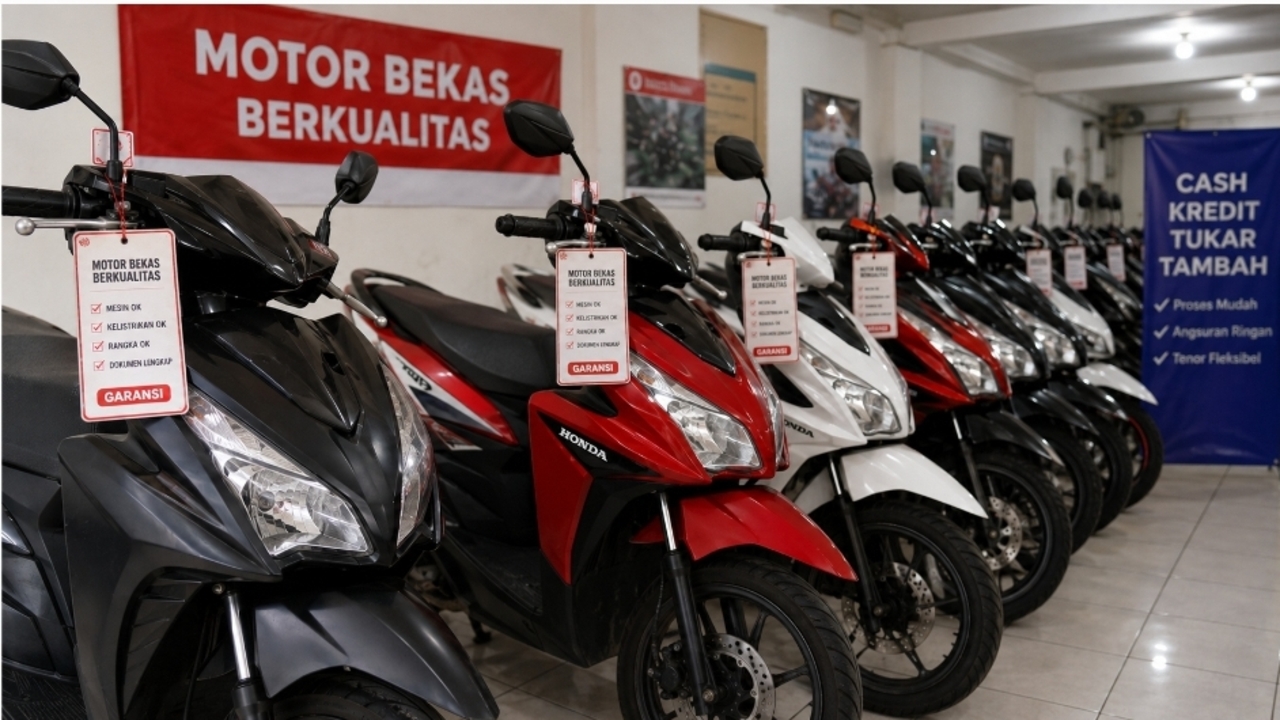
The market for used motorcycles remains resilient heading into 2026, driven by enduring consumer demand for durable engineering, fuel efficiency, and stable resale values amid fluctuating economic conditions. While rising costs for brand-new models prompt buyers to look closely at pre-owned inventory, specific automatic and manual variants continue to dominate showroom floors and private listings alike for their low cost of ownership and reliable performance.
According to automotive market analysts, second-hand two-wheelers known for robust fuel economy and easy maintenance retain their market value significantly better than high-depreciation luxury alternatives. Buyers navigating inflation and rising living expenses prioritize models that offer minimal mechanical trouble, readily available spare parts, and straightforward servicing networks across local repair shops.
This enduring preference shapes how dealerships price inventory and how everyday commuters approach personal transportation investments. Rather than chasing short-lived styling trends, pre-owned buyers focus on engine durability and fuel consumption metrics that protect their monthly household budgets.
The Appeal of Durability and Fuel Efficiency in Pre-Owned Models
Fuel economy consistently ranks as the primary concern for daily commuters purchasing a pre-owned motorcycle. Vehicles equipped with fuel-injection technology or carbureted systems known for high mileage per liter remain highly sought after by urban workers trying to insulate themselves from fuel price volatility. Industry data shows that motorcycles offering consistent efficiency—often exceeding 45 kilometers per liter under normal riding conditions—move off dealer lots faster than performance-heavy alternatives.
Beyond fuel savings, mechanical simplicity stands out as a core purchasing driver. Models featuring air-cooled engines with straightforward internal designs attract buyers who want to avoid complex electronics and expensive diagnostic fees. Local mechanics report that spare parts for these high-volume legacy models remain inexpensive and plentiful, keeping long-term maintenance costs predictable.
Resale stability forms the final pillar of this market segment. Popular commuter scooters and underbone motorcycles experience much slower depreciation curves compared to premium sport bikes or touring machines. A well-maintained unit purchased today can often be resold a few years later with minimal loss in capital, making it a practical financial choice for budget-conscious consumers.
Market Factors Driving Pre-Owned Demand Through 2026
Economic headwinds and manufacturing shifts influence why pre-owned motorcycles maintain their stronghold in 2026. Higher price tags on factory-fresh inventory force many first-time buyers and gig-economy workers into the used market. Financing rates for new vehicle purchases also encourage cash buyers or those seeking lower loan amounts to look at pre-owned units.
At the same time, the rise of app-based delivery services and mobile commerce sustains a steady baseline demand for reliable workhorses. Delivery operators require dependable machinery that can operate for hours daily without overheating or breaking down. This commercial demand underpins residual values for standard utility and commuter models, ensuring that well-kept units rarely lose value abruptly.
Dealers note that inspection transparency has improved buyer confidence in the pre-owned sector. With more independent inspection services and digital history checks available, consumers feel more secure purchasing older motorcycles, provided the engine and transmission have been professionally verified.
What Buyers Should Verify Before Purchasing a Used Motorcycle
Market experts recommend rigorous physical and administrative checks before finalizing any pre-owned motorcycle purchase. Buyers must inspect the vehicle frame for structural damage or rust, listen closely to cold-start engine sounds for unusual mechanical knocks, and verify that the transmission shifts smoothly through all gears.
Administrative verification remains equally critical. Ensuring that the vehicle registration certificate matches the physical engine and chassis numbers prevents future legal complications. Purchasers should also request complete service records where available to confirm that previous owners adhered to regular oil changes and belt or chain replacements.
As the pre-owned market evolves through 2026, informed buyers who prioritize mechanical health over cosmetic appearance continue to secure reliable transportation without taking on heavy depreciation losses. Industry observers expect these consumer habits to persist as long as new vehicle pricing remains elevated.
For more updates on market trends and consumer insights, share your thoughts in the comments below or join the discussion on our community channels.