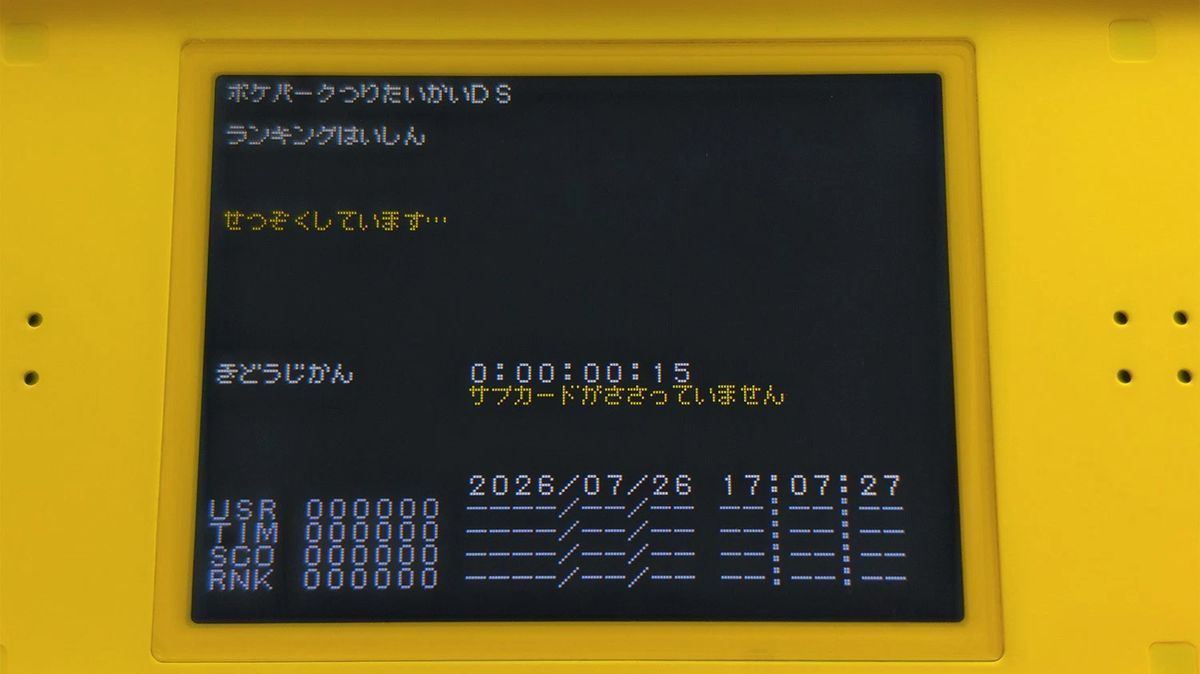
A rare, unreleased Pokémon video game prototype from two decades ago has reemerged on the collectors’ market, fetching 230,000 Czech crowns (approximately $9,800 USD) at a specialized enthusiast auction. The discovery offers a unique glimpse into the early development phases of one of the world’s most lucrative entertainment franchises, highlighting a growing market for early software artifacts and unreleased code preservation among dedicated technology historians and collectors.
According to reports tracking the auction, the cartridge contains early build data that predates the commercial launch of its era, showcasing mechanics, maps, and sprite designs that were ultimately discarded or heavily modified before reaching retail store shelves. Software preservationists note that such prototypes provide invaluable documentation of the iterative engineering and design processes typical of late-90s and early-2000s console development, particularly within Nintendo’s tightly controlled ecosystem.
The transaction underscores a broader economic trend in the retro gaming community, where rare physical media and development kits routinely command five- and six-figure sums. While mainstream consumer interest often focuses on sealed retail copies of classic titles, specialized markets have increasingly shifted toward pre-release prototypes, internal review copies, and debug hardware as prized centerpieces for digital archives and private collections alike.
The Mechanics of Video Game Preservation
Recovering and authenticating software prototypes requires specialized technical expertise in hardware analysis, data extraction, and binary reverse engineering. Software engineers working within the archival space must often use specialized reading equipment to dump read-only memory (ROM) chips from proprietary cartridges without damaging fragile, aging silicon components that are more than twenty years old.
Industry experts emphasize that these physical artifacts face severe degradation risks as battery-backed save memories fail and magnetic or optical media degrades over time. Consequently, high-profile sales to private collectors often spark intense debate within the digital preservation community regarding whether rare source code and prototype builds should be secured in accessible institutional archives or locked away in private portfolios.
Despite these debates, the high market valuation of such items ensures that long-lost software hidden away in attics, former development studios, and storage lockers continues to surface. As retro tech documentation gains mainstream recognition, auction houses are devoting specialized departments to authenticating historical code and hardware variants.
Market Impact and Collector Demographics
The growing financial valuation of early gaming artifacts reflects a generational shift in high-end collecting, as buyers who grew up during the initial boom of handheld and home console gaming reach their peak earning years. Rare software development hardware and promotional cartridges have transformed from niche basement hobbies into structured asset classes tracked by dedicated enthusiasts.
Market analysts note that prices for rare Nintendo-related items have experienced sharp upward trajectories over the past decade, fueled by intense global demand and limited supply. Unlike mass-market consumer electronics, development prototypes exist in extremely low quantities—often numbering fewer than a dozen known functional units worldwide—which dramatically amplifies their valuation during competitive bidding.
For now, the buyer of this newly surfaced Pokémon prototype has remained private, leaving open the question of whether the software’s contents will be publicly documented or analyzed by technical historians. Observers across the tech and gaming sectors anticipate that similar lost builds will continue to emerge as aging industry veterans clean out personal archives.
What Happens Next
As the retro tech market expands, attention turns to upcoming specialty auctions featuring vintage computing hardware and unreleased software development kits scheduled for later this year. Researchers and digital archivists recommend monitoring official auction house registries and preservation society filings for further updates regarding software authentication reports and public exhibition schedules.
Have thoughts on software preservation or retro game collecting? Join the conversation in the comments below or share this article with fellow tech enthusiasts.