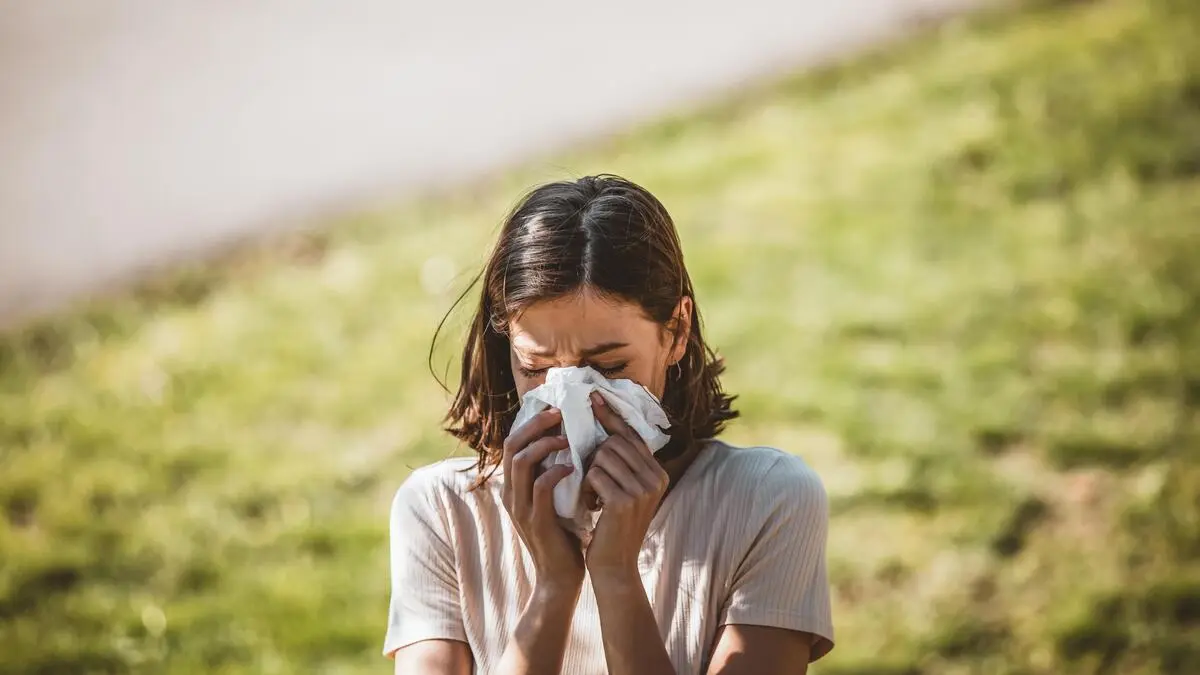
Public health experts across Europe are monitoring an unusual surge in respiratory illnesses and gastrointestinal infections during the warmer months, challenging the traditional seasonal boundaries of common colds and influenza. According to reports from public health agencies and medical associations, clinics and doctors’ offices are treating high volumes of patients presenting with stubborn coughs, fever, throat pain, and digestive issues that typically peak during autumn and winter. This summer wave of infections is driven by a mix of year-round circulating viruses, shifting population immunity, and increased travel patterns following the lifting of pandemic-era restrictions.
Medical professionals emphasize that while these mid-year illnesses are frequently lumped together under colloquial terms like “summer flu” or “Sommergrippe,” they are rarely caused by true influenza viruses. Instead, diagnostic testing often reveals a cocktail of enteroviruses, rhinoviruses, adenoviruses, and parainfluenza circulating simultaneously. As individuals spend more time indoors with air conditioning or crowd into travel hubs, these pathogens find fertile ground in populations with lowered baseline immunity to routine circulating viruses.
Understanding what is driving these infections requires looking closely at how viral transmission patterns have evolved over the past few years. Virologists note that non-pharmaceutical interventions used during the height of the COVID-19 pandemic suppressed many common pathogens, creating a wider pool of susceptible individuals—particularly young children—who are now encountering these viruses for the first time.
What Causes Summer Respiratory Infections and How They Spread
True influenza is fundamentally a cold-weather virus, thriving in low temperatures and dry air. In contrast, summer respiratory infections are most frequently triggered by enteroviruses and rhinoviruses. According to the World Health Organization, enteroviruses peak during the warmer months and spread primarily through the fecal-oral route or via respiratory droplets, causing symptoms that can range from mild cold-like manifestations to hand, foot, and mouth disease or viral meningitis in rare cases.
Air conditioning systems also play an underappreciated role in summer illness dynamics. Poorly maintained indoor climate control units can circulate dry air that irritates the mucous membranes of the upper respiratory tract, making it easier for viral particles to take hold. Furthermore, enclosed spaces with recirculated air provide an environment where pathogens can easily pass between individuals sharing offices, airplanes, or vacation accommodations.
Dr. Christoph Spinner, an infectious disease expert at the Klinikum rechts der Isar in Munich, notes that clinical practices regularly see patients during summer months with classic respiratory complaints that mimic winter ailments. “Pathogens do not follow a strict calendar,” medical specialists point out, explaining that increased international travel brings diverse regional viral strains into close contact with populations that lack immediate immunity against them.
Distinguishing Between Summer Colds, Allergies, and COVID-19
One of the primary challenges for patients experiencing summer sickness is differential diagnosis. Symptoms such as a scratchy throat, nasal congestion, fatigue, and low-grade fever overlap significantly across multiple conditions. Hay fever and seasonal allergies also peak during the summer months, triggering sneezing, itchy eyes, and clear nasal discharge without the systemic body aches or fevers associated with viral infections.
To complicate matters further, variants of SARS-CoV-2 continue to circulate year-round, often presenting with mild upper respiratory symptoms that are indistinguishable from a standard cold or enterovirus infection. Public health authorities recommend targeted testing when symptoms are severe or when individuals plan to visit vulnerable populations, such as elderly relatives or immunocompromised hospital patients.
- Summer Cold (Rhinovirus): Characterized by a gradual onset of nasal congestion, sneezing, sore throat, and occasional mild cough. Fevers are uncommon in adults.
- Enterovirus Infection: Often accompanied by gastrointestinal distress, nausea, or skin rashes alongside typical respiratory symptoms.
- Seasonal Allergies: Marked by persistent itching of the eyes and nose, clear discharge, and an absence of fever or body aches, usually triggered by pollen counts.
- COVID-19: Can present with fatigue, headache, loss of taste or smell, and sore throat; confirmation requires an antigen or PCR test.
Practical Prevention and When to Seek Medical Care
Mitigating the risk of summer infections relies on standard hygiene practices that proved effective during broader public health campaigns. Hand washing with soap and water for at least twenty seconds, avoiding touching the face after handling high-contact public surfaces, and staying home when actively experiencing acute symptoms remain the most reliable defenses against transmission.
Most summer viral infections are self-limiting, meaning the human immune system clears the virus within seven to ten days without specific antiviral intervention. Treatment focuses primarily on supportive care: adequate hydration, resting, and managing fever or discomfort with over-the-counter analgesics such as ibuprofen or paracetamol, as advised by pharmacists or general practitioners.
However, medical professionals urge patients to monitor for red-flag symptoms that necessitate professional medical evaluation. According to clinical guidance issued by the Robert Koch Institute, individuals experiencing persistent high fevers lasting longer than three days, severe shortness of breath, chest pain, or extreme lethargy should contact a physician immediately to rule out secondary bacterial infections or more severe complications.
Public health agencies will continue to publish updated epidemiological weekly reports tracking circulating pathogen trends throughout the remainder of the summer season. Readers seeking localized advisories or vaccination guidance are encouraged to consult their national health ministry portals or primary care providers for the most current recommendations.
Keep reading
- The Best Weekly Exercise to Burn Fat Like 3 Gym Sessions
- Grounds for Divorce in South Korea: Is a Spouse’s Sick Parent a Valid Reason?
- Clemson University to Award Approximately 1,100 Degrees at Summer Commencement (world-today-news.com)
- Why Wireless Earbuds Lose Sync Between Left and Right (daybreakwire.com)