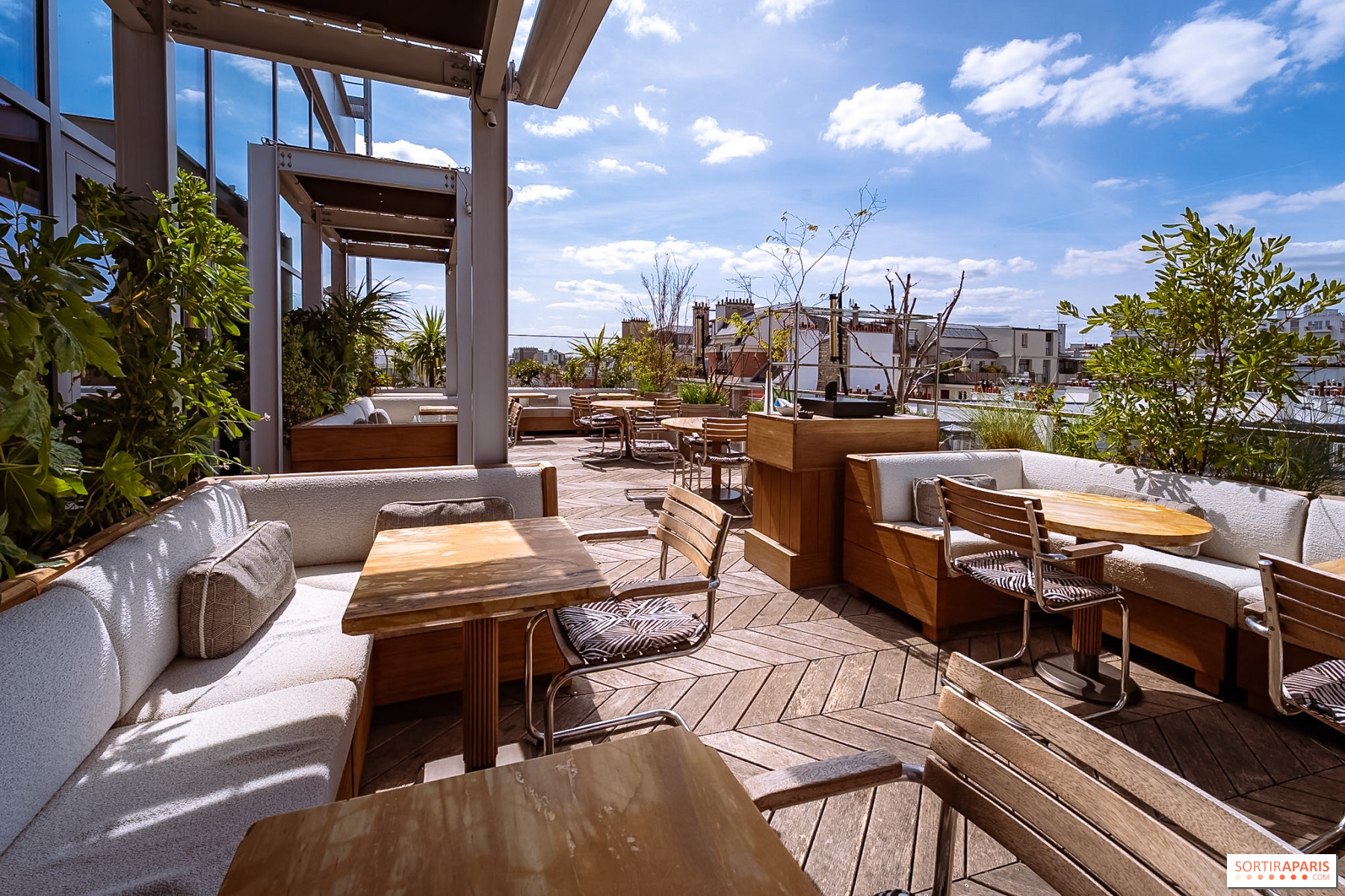
Paris rooftop dining continues to evolve as a primary driver of the city’s luxury tourism and gastronomic sector, with venues like Balcon Paris at Galeries Lafayette Paris Haussmann offering curated views of the Opéra Garnier and the Eiffel Tower. These high-altitude spaces combine the “belvedere” experience with professional bistro service, reflecting a broader trend in Parisian urban development that prioritizes the repurposing of commercial rooftops into public-facing leisure destinations.
The current landscape of Paris rooftop dining is defined by a shift toward “suspended” experiences that blend retail and hospitality. According to official descriptions from Galeries Lafayette, the Balcon Paris terrace serves as a strategic vantage point within the Haussmann district, utilizing its elevation to provide guests with an unobstructed panoramic view of the city’s architectural landmarks. The venue is currently managed under the culinary direction of Chef Julien Sebbag, who integrates a bistro-style menu into the rooftop setting.
The Integration of Gastronomy and Urban Vistas at Balcon Paris
Balcon Paris operates as a hybrid space, functioning both as a dining establishment and a viewing platform. The venue is situated atop the Galeries Lafayette Paris Haussmann, one of the most visited department stores in the world. By positioning a high-end bistro on the roof, the establishment captures the intersection of luxury shopping and sightseeing.
Chef Julien Sebbag, known for his work across various Parisian culinary projects, leads the kitchen at Balcon Paris. His approach focuses on a “suspended” dining experience, where the menu is designed to complement the atmospheric nature of the rooftop. This model follows a wider pattern seen in other Paris rooftops, where the visual appeal of the location is as critical to the business model as the quality of the food.
Analyzing the Paris Rooftop Market Trends for 2026
The demand for rooftop experiences in Paris has surged as the city adapts its urban planning to maximize vertical space. This trend is particularly evident in the 8th and 9th arrondissements, where historic buildings are being retrofitted to support heavy-traffic terraces. The goal is to create “parentesi sospese”—suspended parentheses—that offer a psychological break from the density of the streets below.
Industry data suggests that these venues are no longer just seasonal summer additions but are evolving into year-round destinations through the use of advanced climate control and retractable roofing. The focus has shifted from simple cocktail bars to full-service culinary destinations that can compete with traditional ground-level Michelin-starred restaurants.
Key Destinations for High-Altitude Dining in Paris
While Balcon Paris remains a centerpiece of the Haussmann district, other verified locations contribute to the city’s rooftop ecosystem:
- Le Terrass” Hotel Rooftop: Located in Montmartre, providing one of the highest natural vantage points in the city.
- L’Oiseau Blanc: Situated atop the Peninsula Paris, offering a fine-dining experience with a focus on aviation history and panoramic views.
- Printemps rooftop spaces: Similar to Galeries Lafayette, the Printemps department store has integrated terrace experiences to compete for the luxury tourist demographic.
These locations are strategically placed to offer different perspectives of the city: Balcon Paris focuses on the grand Haussmannian architecture, while Montmartre locations emphasize the bohemian skyline and the Sacré-Cœur.
The Impact of Urban Planning on Rooftop Accessibility
The proliferation of these spaces is tied to Parisian zoning and safety regulations. To operate a rooftop bistro, venues must adhere to strict fire safety codes and weight-bearing certifications managed by the city’s urban planning department. The conversion of these spaces often requires significant structural reinforcement to accommodate commercial kitchens and high volumes of patrons.
From a geopolitical and economic standpoint, the investment in these “belvederes” reflects Paris’s commitment to remaining a top global destination for luxury travel. By enhancing the “view-to-value” ratio of their real estate, operators like Galeries Lafayette increase the dwell time of visitors within their commercial ecosystem.
The next major development in this sector will be the continued integration of sustainable architecture, with more rooftops incorporating urban gardens and “green” dining spaces to combat the urban heat island effect in central Paris. Official updates on new zoning permissions for rooftop conversions are typically released via the Paris City Hall (Mairie de Paris) urban planning bulletins.
We invite readers to share their experiences with Paris’s evolving skyline in the comments below.
Keep reading