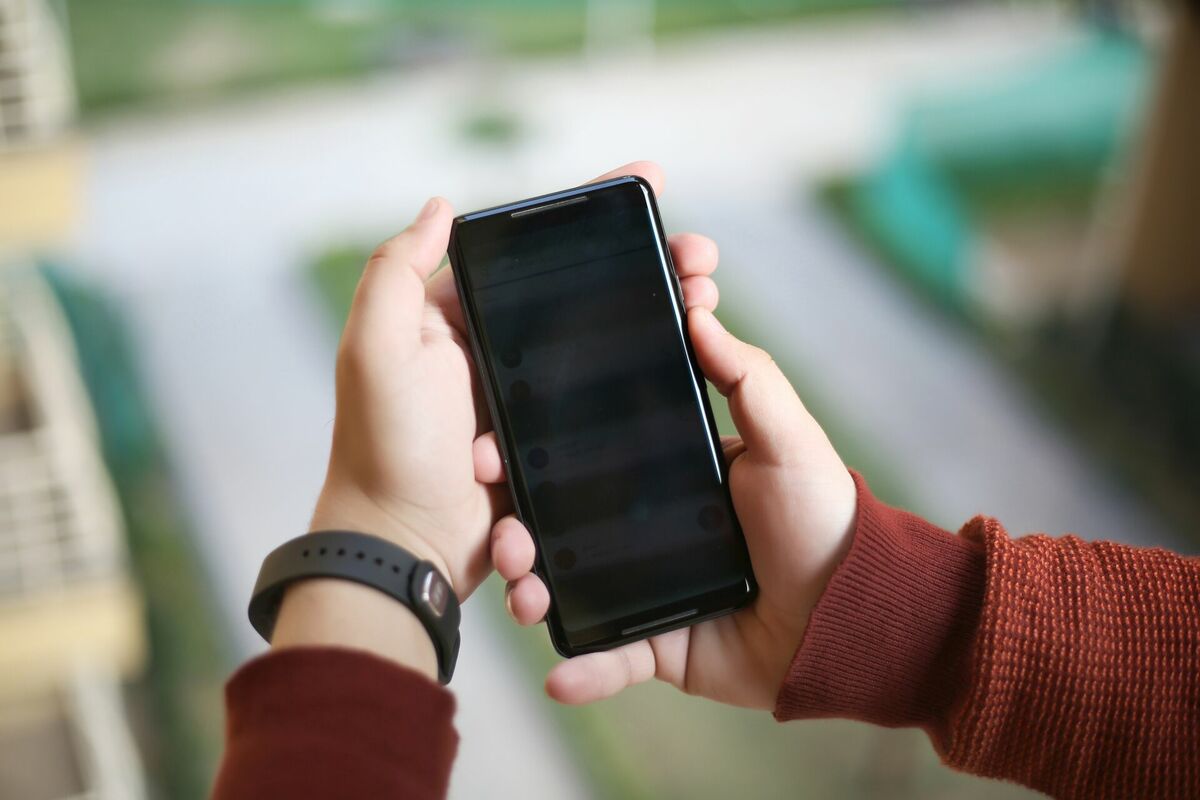
Modern smartphone usage often feels like a private transaction between the user and a digital screen, but public research reveals that the contents of mobile devices are frequently exposed to unintended onlookers in shared spaces. A growing body of observational data and consumer privacy studies highlights how everyday digital habits—ranging from messaging applications to financial transactions—play out in plain view on public transit, in cafes, and at workspaces.
According to security specialists and consumer researchers examining physical data exposure, shoulder surfing and visual hacking remain persistent vulnerabilities in daily environments. Unlike sophisticated cyberattacks that require malicious code or network interception, visual data breaches rely on simple line-of-sight exposure. Commuters scrolling through emails, reviewing banking apps, or checking confidential workplace documents often assume their privacy is protected by the personal nature of a handheld device, failing to account for the physical proximity of strangers.
Understanding what bystanders can actually perceive on a mobile screen involves looking closely at screen brightness, viewing angles, and human behavior in crowded settings. Researchers studying digital privacy in public spaces emphasize that modern high-definition displays, while visually striking, also make text and images remarkably legible from wide angles unless specific preventative measures are deployed.
How Visual Hacking Operates in Daily Environments
Visual hacking occurs when an unauthorized individual captures confidential or personal information visually by directly observing a user’s screen. Field studies conducted by privacy organizations indicate that casual glances frequently turn into prolonged observation on crowded buses, trains, and flights. In many instances, observers inadvertently absorb sensitive details such as login credentials, personal photographs, and private message threads simply because mobile devices are held at eye level or flat against a tray table.
Data from workplace security evaluations underscore that remote and hybrid workers frequently handle sensitive corporate information outside controlled office environments. When employees review spreadsheets, client contracts, or internal communications in public coffee shops, the risk of accidental exposure multiplies. Security analysts note that corporate data loss prevention strategies often focus heavily on network encryption while overlooking the physical security of the glass interface itself.
Furthermore, human psychology plays a significant role in screen exposure. Users tend to experience a false sense of security when interacting with personal electronics, tuning out their immediate physical surroundings while absorbed in a conversation or a digital task. This behavioral immersion leaves individuals largely unaware of who might be seated directly behind or beside them.
The Technical and Behavioral Factors Behind Screen Visibility
Smartphone manufacturers continually improve display technology, prioritizing vibrant colors, high contrast ratios, and broad viewing angles. However, these same engineering achievements make it easier for onlookers to read on-screen text from an oblique angle. OLED and AMOLED screens emit significant light, making illuminated displays easily readable even in dimly lit environments such as evening commutes.
Experts in device security point out several practical methods users employ to mitigate visual exposure:
- Privacy Filters: Applying specialized micro-louver screen protectors restricts the viewing angle, darkening the display for anyone looking from the side while keeping it clear for the direct user.
- Display Settings: Lowering screen brightness in public spaces reduces visibility from a distance and conserves battery life simultaneously.
- Notification Management: Disabling message previews on the lock screen prevents incoming texts, emails, and two-factor authentication codes from flashing in public view.
- Spatial Awareness: Positioning oneself against a wall or in a corner seat during transit minimizes the number of potential vantage points for onlookers.
While technology offers some defensive options, behavioral adjustments remain critical. Security advisers consistently recommend locking devices immediately after use and avoiding sensitive tasks—such as entering banking passwords or viewing medical records—while standing in densely packed queues or crowded transit cars.
Regulatory Context and Corporate Guidelines on Physical Data Security
Data protection frameworks, such as the European Union’s General Data Protection Regulation (GDPR), emphasize the principle of confidentiality and the security of personal data against unauthorized processing or accidental disclosure. While regulatory enforcement typically targets digital databases and software vulnerabilities, legal and compliance experts note that organizational policies increasingly address physical screen privacy for remote workers.
Organizations operating in finance, healthcare, and legal sectors often issue strict guidelines regarding where and how employees may access confidential records outside secure facilities. Breaching these protocols by reviewing sensitive files on an unshielded screen in a public place can constitute a compliance failure under corporate governance standards. As remote work models persist globally, employers continue to refine training programs to address both digital threats and physical observation risks.
Consumer advocacy groups advocate for greater awareness regarding physical data security, urging device users to treat their screens with the same caution applied to physical documents left on a public desk. Regulatory bodies and digital safety organizations plan to release updated guidance on mobile device ergonomics and privacy best practices as observational data on visual hacking continues to expand.
Official updates and security advisories regarding mobile privacy standards are periodically published by consumer protection authorities and digital rights organizations. Readers interested in further details can consult ongoing research publications from independent data privacy watchdogs and cybersecurity institutions.
Keep reading
- Check24 Partners for Mortgage Brokerage Services
- James Talarico and Ken Paxton Trade Voter Fraud Accusations Amid Residency Questions
- Samantha Morton Reveals Why She Has Not Worked for a Year Since The Odyssey (time.news)
- Why Your Phone's Battery Still Drains When It's Completely Off (daybreakwire.com)