Tehran Cultural Institutions Halt Public Programming Amid Crises
Independent cultural institutions in Tehran are facing operational hurdles as compounding pressures from regional conflict, economic instability, and administrative restrictions force venues to suspend public programming.
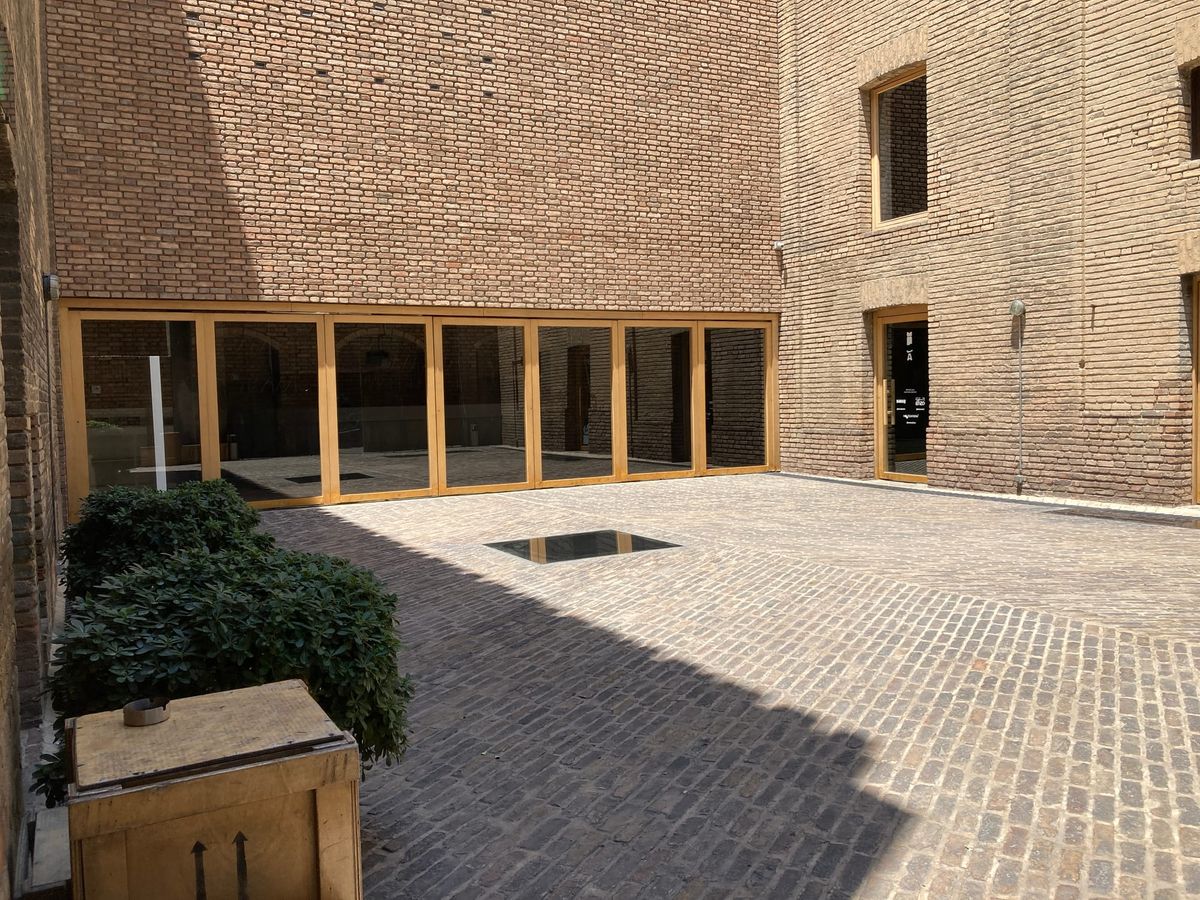
According to recent accounts from arts leaders in the Iranian capital, contemporary spaces such as the Pejman Foundation’s Argo Factory have had to transition from open public venues to restricted operational formats to protect staff and maintain organizational continuity.
Regulatory Pressures and Municipal Oversight Intensify
The convergence of wartime disruptions, strict regulatory oversight, and severe financial constraints has altered the landscape for independent non-profit entities in Iran.
Cultural directors note that while physical infrastructure and daily logistics present continuous challenges, the absence of predictable economic support and tightening administrative controls create an environment where traditional public exhibitions are no longer viable.
Navigating Complex Municipal and Geopolitical Hurdles
Operating a contemporary art foundation in Tehran requires navigating a complex matrix of regulatory approvals and municipal oversight.
Cultural programmers highlight that administrative hurdles often peak during fragile geopolitical lulls, demonstrating that institutional strain stems from multiple intersecting sources rather than active conflict alone. Venue directors emphasize that maintaining staff safety and institutional survival under these conditions necessitates a shift away from standard public-facing schedules toward internal coordination and digital monitoring.
Escalating Costs and Severe Financial Constraints
Financial pressures remain a primary driver behind the temporary closures affecting independent spaces.
With reduced sponsorship, shrinking marketing budgets, and escalating operational costs for rent and utilities, non-profit institutions face severe mathematical constraints. Arts administrators point out that covering basic staffing expenses has become increasingly difficult, leaving little room for ambitious curatorial calendars or large-scale public installations.
Balancing Diaspora Criticism and Domestic Realities
External geopolitical tensions and shifting diaspora sentiments further complicate the operational reality for arts workers remaining inside Iran.
Cultural operators report facing criticism from various factions regarding their decision to continue working under existing administrative structures, leaving institutions caught between conflicting external expectations and domestic regulatory realities. Despite these obstacles, directors stress that closing physical galleries serves as a precautionary measure to safeguard the arts community rather than a permanent retreat from cultural engagement.
Worth a look