The East African Community (EAC) convened a five-day validation workshop in Dar es Salaam, Tanzania, to review a harmonised framework for cross-border data flows as part of ongoing efforts to build a trusted regional digital economy. Running from June 23 to June 27, 2026, the workshop brought together data protection experts from EAC Partner States to validate a proposed Cross-Border Data Flows Framework.
EAC Advances Harmonised Framework for Cross-Border Data Flows
The initiative is designed to facilitate secure, lawful, and accountable data movement across the region while protecting privacy and supporting digital trade. According to the EAC, secure cross-border data flows underpin vital digital services such as mobile money, e-commerce, telemedicine, online education, digital government platforms, and cross-border trade. However, differing national data protection laws and regulatory approaches have continued to create barriers, particularly for micro, small, and medium-sized enterprises (MSMEs) trying to comply with multiple regulatory regimes.
Regional Engagements Target Mobile Roaming Framework
In a related regional push, the East African Community commenced a series of engagements in Arusha, Tanzania, on May 25, 2026, to advance a harmonised Regional Mobile Roaming Framework. The initiative aims to support affordable cross-border communication, enhance regional trade, and accelerate the EAC Single Digital Market agenda.

Opening the meeting, Hon. Andrea Ariik Malueth, the EAC Deputy Secretary General in charge of Infrastructure, Productive, Social & Political sectors, noted that while the existing EAC Roaming Framework adopted in 2014 reduced communication costs, challenges such as high roaming charges and inconsistent implementation persist. Regional discussions on mobile roaming formally commenced in 2013, building upon prior initiatives like the One Network Area. George Lwevoola observed during the engagements that the current talks are reviewing findings from a regional study to establish a sustainable long-term regulatory mechanism for International Mobile Roaming Services.
Workshops Focus Media and Public Understanding on Digital Integration
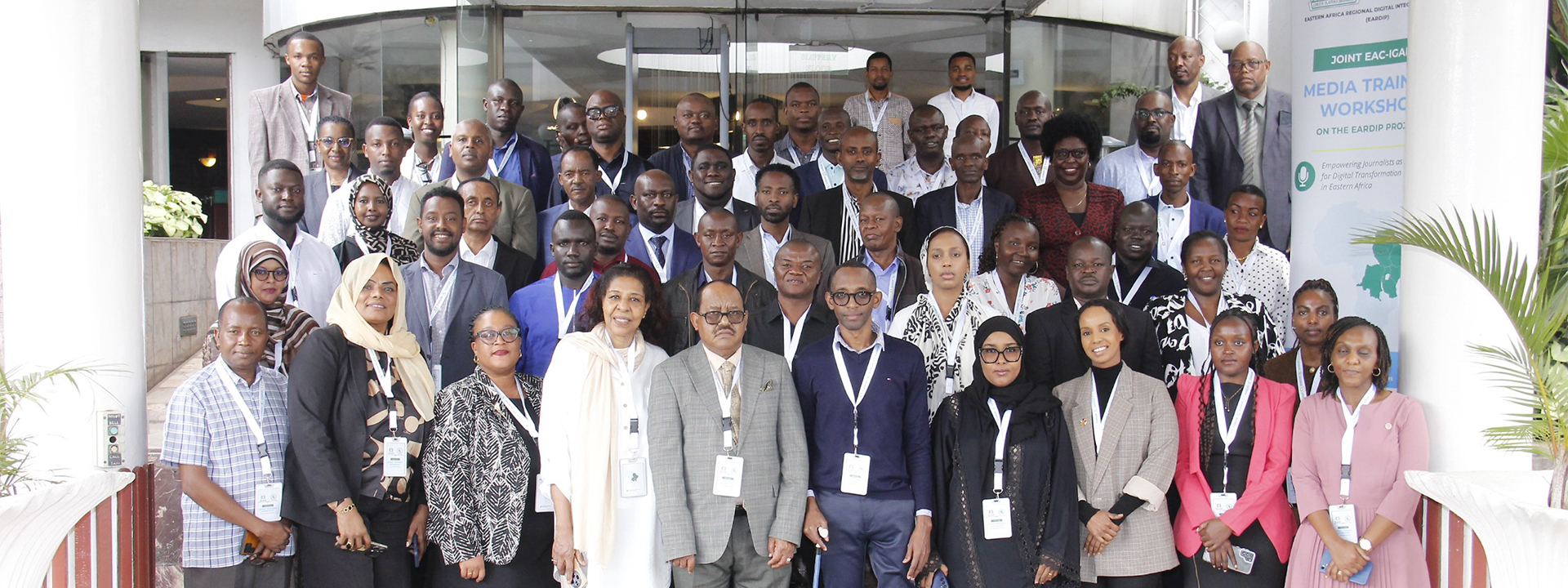
To bridge gaps in public understanding of these initiatives, the Intergovernmental Authority on Development (IGAD), in collaboration with the EAC, convened a two-day regional media training workshop under the Eastern Africa Regional Digital Integration Project (EARDIP) in Nairobi, Kenya. Held on May 7, 2026, under the theme Empowering Journalists as Catalysts for Digital Transformation in Eastern Africa,
the workshop gathered journalists, communication experts, and regional stakeholders.

Annette Ssemuwemba, the EAC Deputy Secretary General in charge of Customs, Trade and Monetary Affairs, underscored the importance of digital integration in accelerating economic growth during the opening session. Representing IGAD, Dr. Mohyeldeen Eltohami Taha noted that many citizens remain insufficiently informed about opportunities created through initiatives like EARDIP.
You are the bridge between policy and the people, between regional integration efforts and public understanding,
Dr. Mohy told participating journalists.
Broader Context of Regional Trade and Digital Growth
These digital integration milestones unfold against a backdrop of expanding regional commerce, monitored closely by private sector advocates. The East African Business Council (EABC) unveiled a digital platform to monitor and track Non-Tariff Barriers (NTBs) on June 10, 2026, aiming to raise intra-regional trade to 40 percent by 2030.
EABC Executive Director Ahmed Farah noted that total regional trade reached $156.6 billion in 2025, up from $124.9 billion in 2024, with first-quarter 2026 trade hitting $46.3 billion. However, intra-EAC trade stood at $19.3 billion in 2025—representing 12.3 percent of total regional trade—highlighting the need for transparent, data-driven systems to dismantle trade bottlenecks and achieve the Single Digital Market’s full potential.
Keep reading