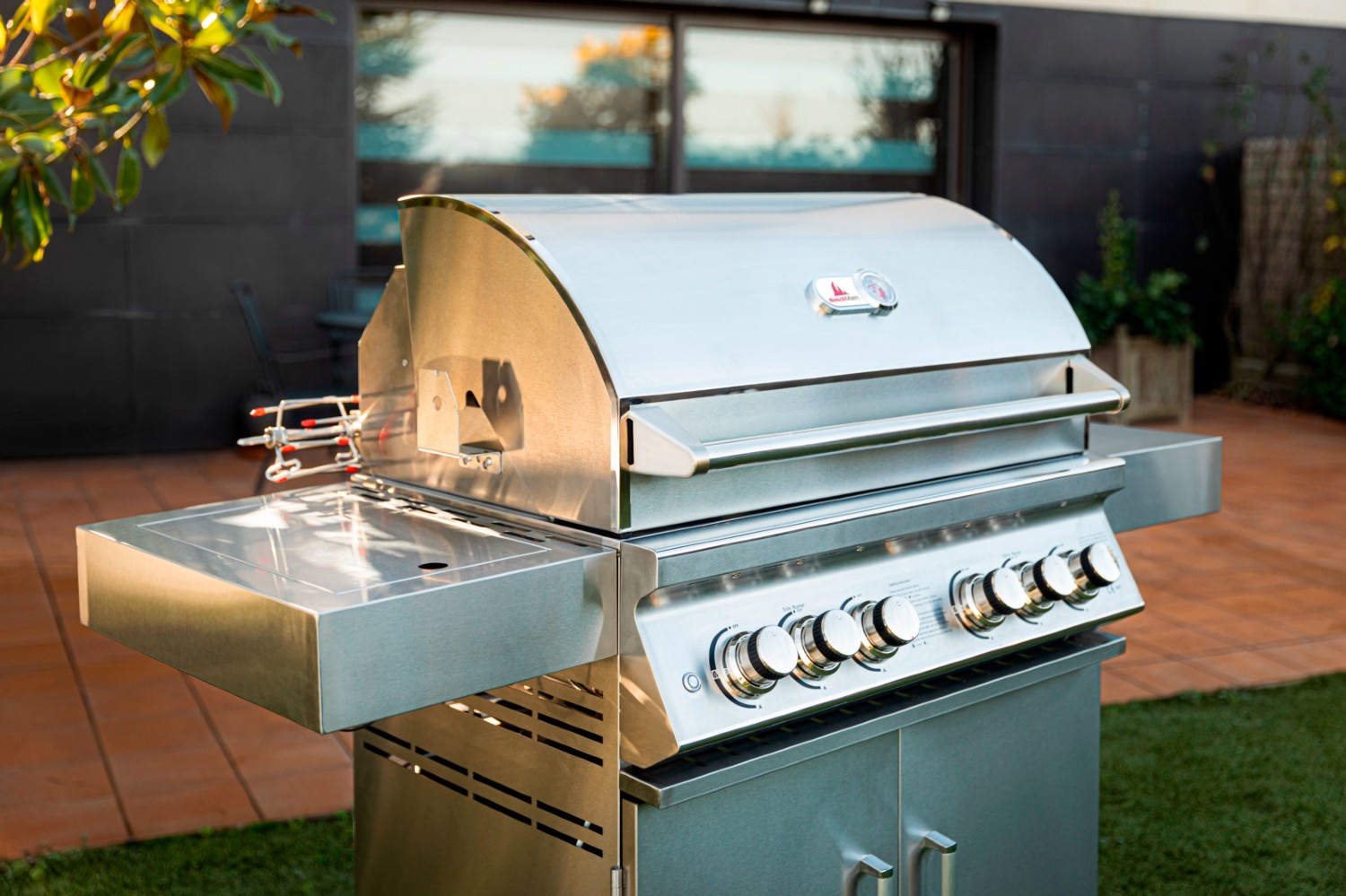
Selecting the right outdoor cooking equipment for the warm months involves balancing fuel types, cooking surfaces, and portability, according to recent seasonal guides published by design and construction specialists. Homeowners and outdoor enthusiasts preparing for summer gatherings face a wide market ranging from traditional wood-fired systems to portable gas units designed for terraces and compact gardens.
Understanding the technical differences between available cooking systems helps buyers match their purchase to their specific outdoor space and culinary preferences. Market analyses indicate that consumer demand shifts toward versatile, durable models as temperatures rise across Europe.
Evaluating Fuel Types: Gas Versus Charcoal and Wood
The choice between gas and traditional solid-fuel systems remains the primary decision for buyers. Gas-powered cookers offer immediate ignition, precise temperature control, and minimal smoke, making them suitable for urban balconies and tight spaces where smoke ordinances apply.
Conversely, traditional charcoal and wood-fired setups appeal to purists seeking the distinctive smoky flavor profile associated with classic outdoor cooking. These units require a longer preheating phase and more intensive cleanup, but they frequently achieve higher cooking temperatures than standard consumer gas models.
Design and Portability for Modern Outdoor Spaces
Modern outdoor living spaces often require compact or modular equipment. Manufacturers have responded by introducing lightweight units equipped with wheels, folding side tables, and integrated ash catchers.
Built-in kitchen modules represent another growing segment for larger residential properties, allowing homeowners to integrate cooking surfaces seamlessly with countertops, sinks, and storage cabinets. These permanent installations typically utilize heavy-gauge stainless steel or cast iron to withstand prolonged exposure to weather elements.
Safety and Maintenance Considerations
Proper maintenance ensures longevity and safe operation throughout the summer season. Industry recommendations emphasize regular cleaning of grease trays, burner tubes, and grates to prevent flare-ups and maintain hygienic cooking conditions.
When operating open-flame equipment on wooden decks or near flammable materials, users must maintain adequate clearance zones and ensure stable placement on level ground. Utilizing manufacturer-approved covers during inclement weather further protects sensitive electronic ignition components and painted metal finishes from premature corrosion.
Related reading