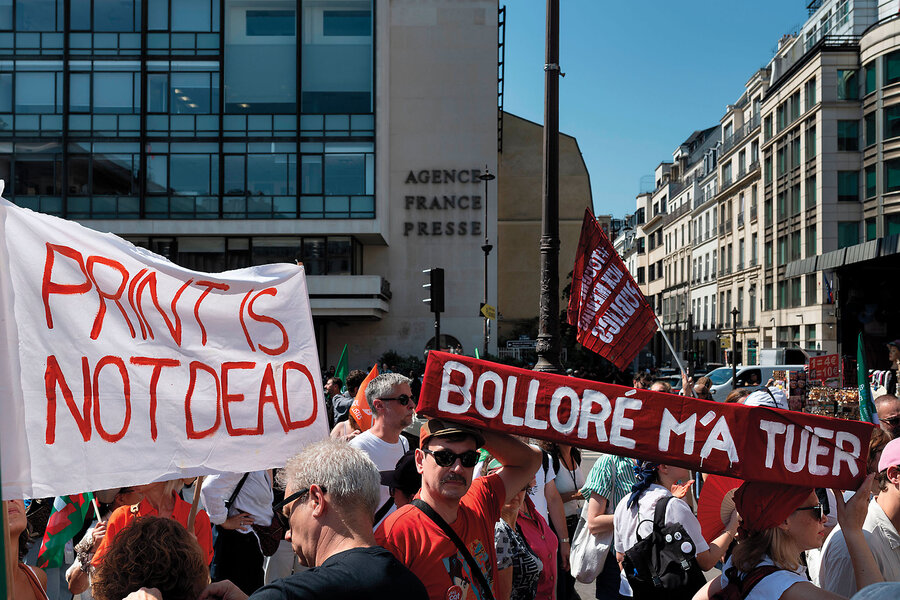
France’s fiercely guarded cultural landscape is confronting a profound structural shift as the nation grapples with the rapid expansion of conservative media power. Long celebrated for its concept of the exception culturelle—a protective doctrine designed to shield domestic cinema, publishing, and the arts from unbridled market forces—the country now finds itself wrestling with the rise of a domestic media tycoon often compared to Rupert Murdoch. As this corporate consolidation accelerates, French artists, creators, and regulators are increasingly on alert over the future of pluralism and state-backed cultural support.
The tension centers on the growing influence of billionaire industrialist Vincent Bolloré, whose media group has steadily accumulated stakes in major television networks, publishing houses, and print publications. For an artistic community accustomed to strict broadcasting quotas, state subsidies, and robust safeguards for intellectual property, the consolidation of editorial power under a single conservative magnate poses a direct challenge to traditional norms. Industry unions and creative guilds warn that editorial independence is being compromised across historic institutions.
At the heart of the debate are the legal frameworks and regulatory guardrails established decades ago to maintain cultural diversity across French media. While the exception culturelle has historically shielded domestic creators from foreign commercial dominance—most notably from American entertainment conglomerates—policymakers are now forced to evaluate whether existing antitrust and broadcasting laws are equipped to manage the concentration of media ownership from within. Lawmakers in Paris have launched parliamentary inquiries and debated legislative adjustments to strengthen regulatory oversight.
The Evolution of France’s Media Landscape and Ownership Consolidation
The transformation of the French media sector has unfolded through a series of high-profile acquisitions over recent years. Under the banner of Vivendi and its subsidiary operations, Bolloré’s empire expanded to encompass television broadcaster Canal+, radio networks, and prominent publishing entities such as Hachette. This sweeping consolidation has sparked intense scrutiny from media watchdogs and labor organizations, who argue that the shift undermines the historic diversity of French public discourse.
Historically, French cultural policy has relied on strict ownership caps and mandatory investment rules to ensure that broadcasters fund domestic film and television productions. However, critics point out that corporate restructuring and editorial realignments within acquired outlets have created an increasingly uniform ideological tone. Journalists at several prominent publications have staged walkouts or initiated legal challenges in response to editorial interventions, highlighting deep internal friction over creative autonomy and journalistic standards.
Regulatory bodies, including France’s media regulator Arcom, hold the authority to monitor broadcasting compliance and license renewals. Yet, legal experts note that current statutes struggle to address multi-platform conglomerates that span television, print, digital publishing, and social media simultaneously. This regulatory lag has fueled urgency among lawmakers seeking legislative reforms to protect editorial independence and enforce stricter transparency regarding media ownership structures.
Defending the Exception Culturelle in a Digital Era
The concept of the exception culturelle, formally championed by France during international trade negotiations in the 1990s, treats cultural goods as distinct from standard commercial commodities. This philosophy justifies state subsidies, language quotas on radio and television, and favorable tax treatments for creators. Today, however, defenders of the doctrine argue that internal corporate centralization poses a threat just as severe as external market pressures from global streaming platforms.
Artists and cultural workers argue that commercial consolidation directly impacts project financing and greenlighting decisions. When a single corporate entity controls both the distribution networks and the publishing houses, independent creators fear being sidelined if their work does not align with the commercial or ideological preferences of executive leadership. Consequently, creative syndicates have organized public forums and petitions demanding enhanced legal protections for editorial staff and stronger guarantees of artistic freedom.
At the same time, industry analysts note that digital disruption has complicated traditional funding models. Traditional print and broadcast revenues face sustained downward pressure, creating financial vulnerabilities that make independent outlets prime targets for acquisition by well-capitalized conglomerates. This economic reality complicates legislative efforts to restrict ownership without inadvertently destabilizing media organizations struggling to survive in a digital-first market.
Regulatory Responses and the Path Forward
In response to mounting public concern, French parliamentary committees have examined proposals to tighten rules on cross-ownership and enhance the powers of media watchdogs. These legislative discussions focus on lowering thresholds for mandatory antitrust reviews and introducing stricter requirements for newsroom independence charters. Lawmakers aim to strike a delicate balance between safeguarding freedom of the press and respecting corporate property rights under European Union law.
The ongoing friction serves as a crucial test for European media policy, highlighting the challenges democratic nations face when traditional regulatory frameworks encounter modern corporate consolidation. As debates continue in the National Assembly and regulatory agencies review upcoming broadcast license renewals, the outcome will likely redefine the boundaries of media ownership and artistic protection in Europe.
Stakeholders across the cultural sector continue to monitor legislative timelines and parliamentary hearings for upcoming policy announcements. Readers seeking official documentation, parliamentary reports, and regulatory updates can consult the National Assembly portal at www.assemblee-nationale.fr or regulatory findings published by Arcom.
What are your thoughts on the balance between media consolidation and cultural preservation? Share your perspective in the comments below.
Worth a look