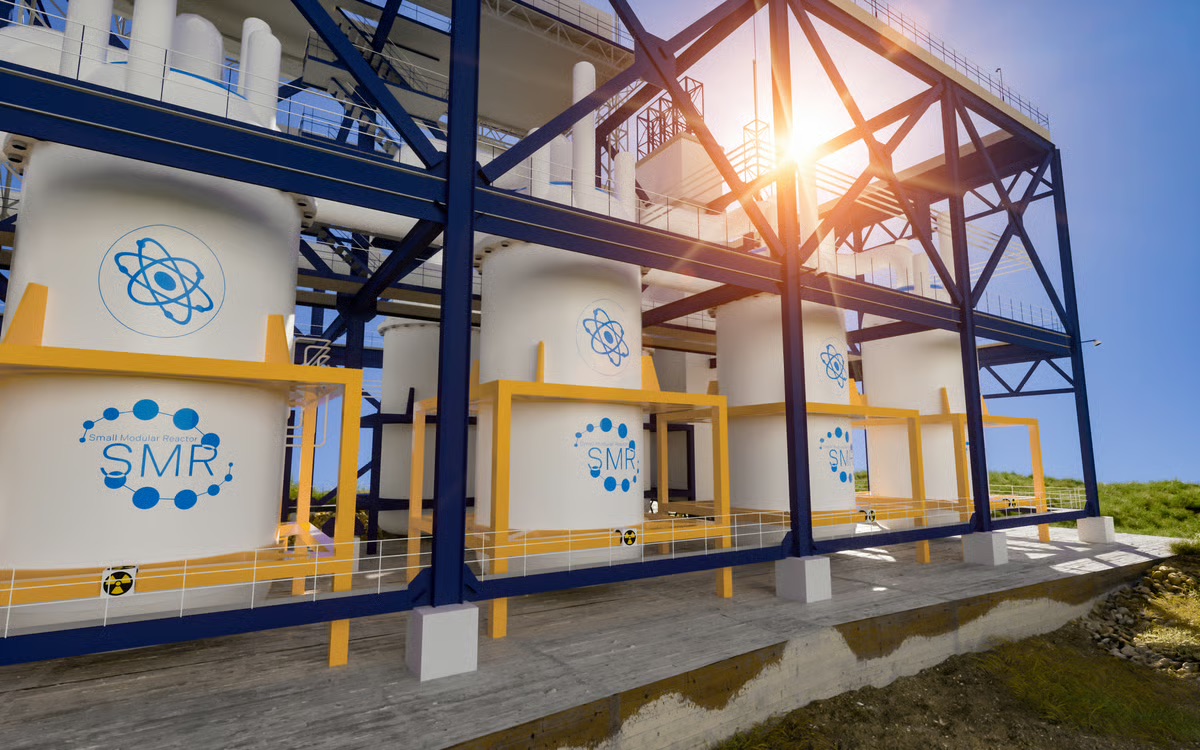
Simultaneously, the industry is expanding its global footprint through new technology exports and international technical assistance agreements, according to official data.
Nuclear Generation Performance in 2026
During the first six months of 2026, nuclear power served as a critical pillar for Argentina’s energy stability. Despite the ongoing life-extension project at the Atucha I plant, the country’s nuclear facilities—operated by Nucleoeléctrica Argentina—produced enough electricity to cover 13% of the total residential demand nationwide. This performance underscores the strategic role of nuclear power as a consistent, 24-hour source of base energy, functioning independently of climate conditions and providing a reliable complement to the country’s thermal and renewable energy sectors.
While nuclear power provides consistent output, the broader energy landscape remains dynamic. Regional Investment Consulting (Ricsa) reported that total electricity demand reached 12.151 GWh in May 2026, marking an 11.1% increase compared to the same month in 2025. This growth was largely attributed to lower average temperatures in the Gran Buenos Aires area, which spurred higher residential usage. However, the energy mix is shifting; while renewable sources accounted for 41.9% of local generation in May, nuclear generation saw a 16.6% decline compared to May 2025.
International Expansion and Technology Exports
Nucleoeléctrica Argentina has shifted toward a more aggressive international strategy in 2026, establishing a new business unit dedicated to exporting its five decades of operational experience. This initiative focuses on offering specialized services, including nuclear engineering, maintenance, robotics, and personnel training, to global markets.
A significant milestone occurred in June 2026, when the company completed its first international sale of domestically produced nuclear components. Working alongside Candu Energy Inc.—a subsidiary of AtkinsRéalis—the project involved the delivery of flow-restricting shielding plugs designed for CANDU-style reactors. These components were developed in collaboration with CONUAR and the National Atomic Energy Commission (CNEA). Furthermore, the company solidified its global network by signing a memorandum of understanding to provide technical assistance to nuclear plants in Romania, which also utilize CANDU technology.
Nano Nuclear Energy and Strategic Logistics Acquisitions
In late May 2026, Nano Nuclear Energy (NNE) acquired Secured Transportation Services (STS) for up to $13 million. The acquisition is intended to bolster the company’s ability to move nuclear materials, a segment characterized by high regulatory barriers and complex security protocols.
Nano Nuclear Energy stated through fool.com that this applies to fuel that has already been used in reactors, as fuel at that stage is highly radioactive, noting that in this regard STS’ current operations could come in handy and that STS currently holds approval for more than 90% of the active U.S. NRC approved spent fuel routes in the United States.
The deal provides Nano with access to specialized logistics infrastructure as it works to move its flagship KRONOS
microreactor design through the U.S. Nuclear Regulatory Commission’s regulatory process. While the $13 million price tag is modest relative to the projected $300 million to $350 million cost of the company’s first microreactor, analysts suggest the move is a critical step toward controlling the fuel transportation ecosystem required for future commercial operations.
Financial Context and Market Trends
Nano reported a net loss of approximately $40 million for fiscal 2025, a figure 30 times larger than the $1.3 million net income generated by its new acquisition, STS. Despite these losses, the company is positioning itself to capitalize on a growing demand for nuclear fuel transport, potentially serving utilities and government agencies alongside its own reactor projects.

In Argentina, the economic landscape for energy remains complex. The average real cost of energy in May 2026 reached $142.265 per MWh, with only 33% of that cost covered by consumer payments; the remaining 67% was financed through state subsidies. As of May, the spot price for electricity sat at $139.8 per MWh, while the Marginal Operating Cost (CMO) was recorded at $188.3 per MWh, reflecting the ongoing challenges of balancing energy affordability with the high costs of grid maintenance and expansion.
Related reading