<>
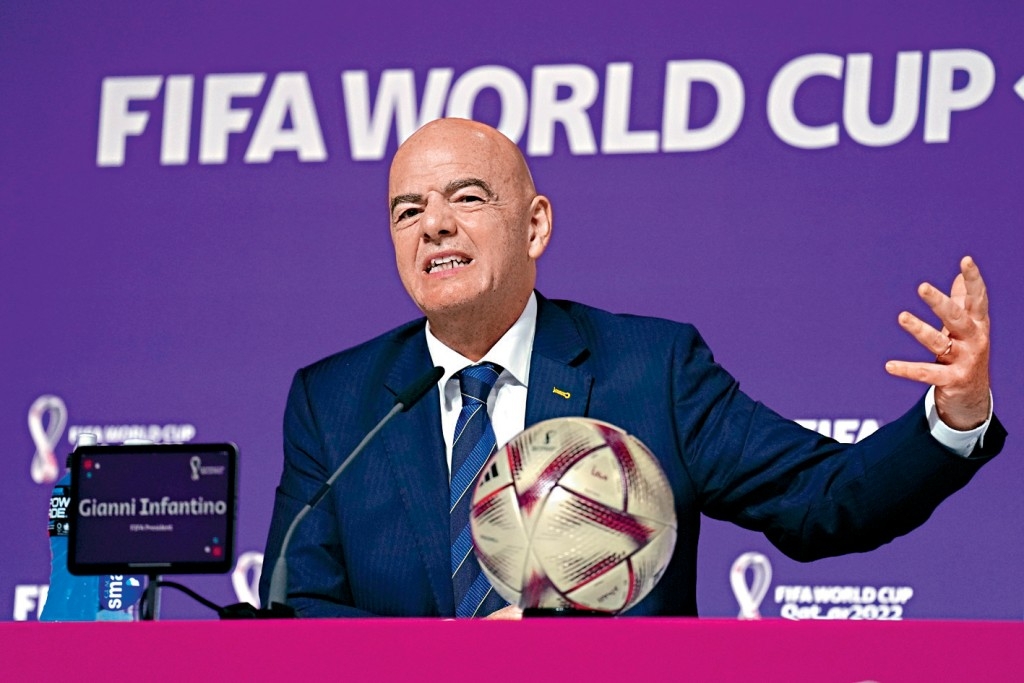
FIFA leadership convened an emergency meeting this week to reaffirm institutional unity and address mounting internal and external criticism regarding the organization’s strategic direction. The governing body’s senior officials formally reiterated their support for the president, seeking to quell speculation about his potential departure amid intense scrutiny of the federation’s commercial and expansion plans.
The meeting followed a period of sustained pressure on FIFA’s executive committee, particularly concerning the organization’s governance and the controversial proposal to expand the scale and commercial footprint of the FIFA World Cup. According to reporting by Reuters, the president has consistently championed the expansion of the tournament to 48 teams, a move that has drawn polarized responses from major football confederations and media organizations worldwide. The emergency session served as a tactical consolidation of power, ensuring that the president retains the backing of the FIFA Council.
Governance and the Future of the World Cup
At the heart of the current tension is the financial management of the sport’s premier event. Critics have questioned the long-term impact of FIFA’s commercial strategies, including suggestions regarding the potential dilution of tournament prestige. These concerns were exacerbated by reports of shifting alliances among key stakeholders who previously supported the expansion but have since expressed reservations about the logistical and financial sustainability of the current model, as noted by the Financial Times regarding the complexities of FIFA’s revenue-generation goals.
Despite the criticism, the FIFA leadership structure remains intact. The emergency meeting concluded with a public demonstration of solidarity, effectively silencing immediate calls for a leadership transition. By securing this public mandate, the president has signaled that the current administrative roadmap—including the 2026 World Cup format—will proceed without deviation.
The Impact of Stakeholder Scrutiny
The scrutiny directed at FIFA is not limited to internal dissent. Global broadcasting partners and major corporate sponsors have also been monitoring the situation closely. The BBC reported that while commercial interest in the tournament remains high, the volatility in leadership perception has introduced a layer of uncertainty for long-term broadcasting rights deals. This instability creates a challenging environment for the organization as it negotiates the next cycle of global media contracts.
The focus now shifts to the next FIFA Congress, where the organization is expected to present its updated financial projections and long-term development strategies. This event will serve as the primary venue for further debate on the organization’s fiscal policies and the implementation of the expanded tournament structure. FIFA has not yet provided a specific date for the next extraordinary session, but observers expect the discourse to remain centered on transparency and the sustainability of the current growth model.
Next Steps for FIFA
The organization’s next major milestone will be the upcoming scheduled FIFA Council meeting, where details regarding the 2026 tournament logistics and commercial partnerships are anticipated to be finalized. Stakeholders will be looking for concrete evidence that the organization can maintain its commercial momentum while addressing the governance concerns raised by regional confederations.
As the situation continues to develop, readers are encouraged to monitor official statements issued through the FIFA official portal for updates on council decisions and policy changes. We invite our readers to share their views on these developments in the comments section below.
Related reading