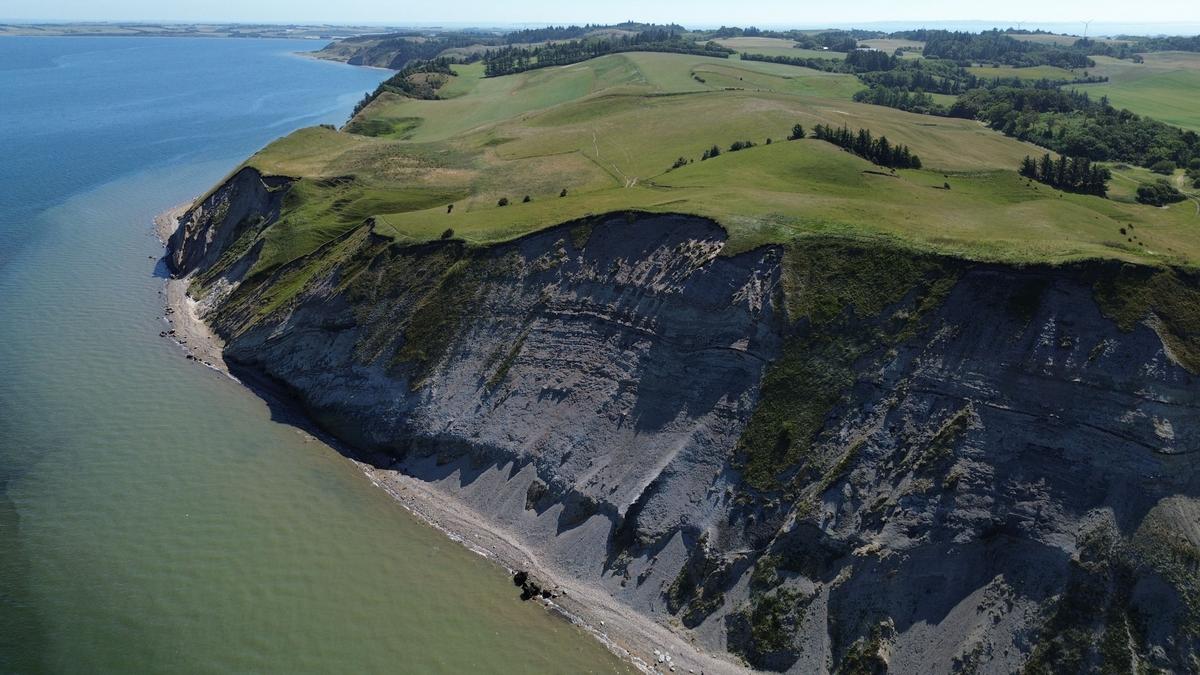
Researchers have discovered a 567-million-year-old fossil site in Canada’s Northwest Territories, revealing complex Ediacaran organisms that predate previous estimates for animal movement and sexual reproduction by millions of years. Published in Science Advances, the findings challenge long-held models of early biological evolution.
Discovering a Unique Ediacaran Fossil Site in the Mackenzie Mountains
Deep within the remote terrain of Canada’s Mackenzie Mountains, scientists have unearthed an exceptionally diverse fossil collection from the Ediacaran biota. The specimens, which date back approximately 567 million years, offer a rare glimpse into an ancient marine ecosystem that existed long before animals developed hard body parts like shells or bones. Because these organisms possessed entirely soft tissues, their preservation required rare environmental conditions, making discoveries of this scale exceedingly uncommon on a global level.
The excavation site lies on the traditional lands of the Sahtú Dene and Métis, whose communities provided the research team with vital guidance and permission to study the rugged region. This collaborative field effort builds upon years of regional geological exploration, yet the sheer diversity of the newly recovered fossils marks a significant milestone for paleontology.
Challenging Established Evolutionary Timelines and Assemblages
For decades, paleontologists have categorized Ediacaran fossils into three distinct, sequential phases: the Avalon assemblage, the White Sea assemblage, and the Nama assemblage. Under that traditional model, researchers viewed these groupings as a series of evolutionary replacements driven by biological crises or environmental shifts.
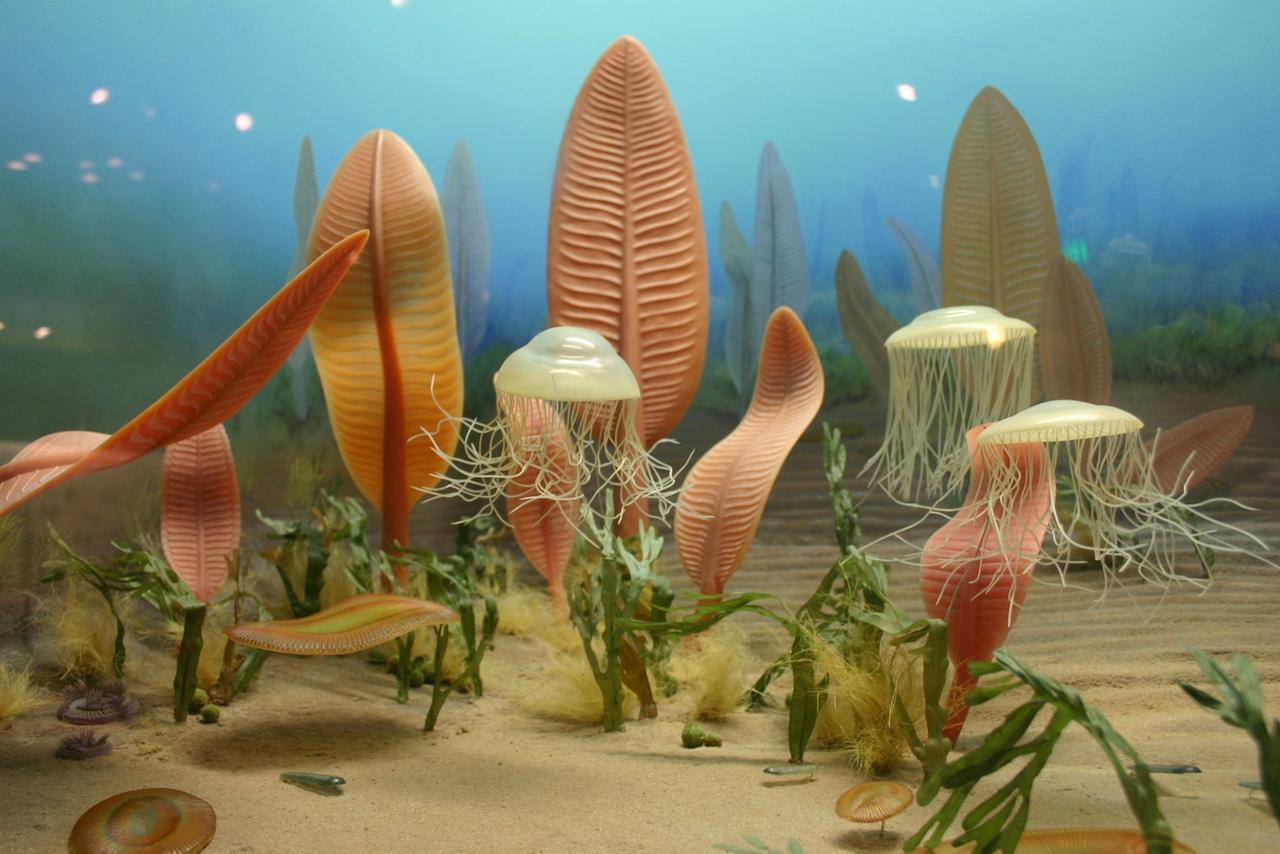
However, the Canadian fossil discovery upends that framework. Within the rock layers of the Blueflower formation, researchers identified a multitude of organisms that mingle typical Avalon-style frond structures with iconic White Sea fossils such as Dickinsonia and Kimberella. This coexistence demonstrates that the White Sea assemblage is significantly older than previously understood and directly overlaps with the Avalon timeframe.
Scott Evans, assistant curator of invertebrate paleontology at the American Museum of Natural History, stated that for 3 billion years, life on Earth was dominated by microbes, and then all of a sudden, scientists get these strange-looking marine animals big enough to see and capable of behaviors people would find familiar today.
Evans noted that the site possesses tremendous potential for decoding the pivotal era when life first evolved into large, complex, and recognizable animal forms. Co-author Justin Strauss, an associate professor of Earth and Planetary Sciences from Dartmouth who has explored the area for about 15 years, emphasized the significance of the unearthing.
Justin Strauss, associate professor of Earth and Planetary Sciences from Dartmouth, pointed out that not only is this new site highly diverse, but it also comes from a part of the rock succession where researchers previously lacked fossil remains.
Unusual Seafloor Creatures and the Earliest Signs of Animal Movement
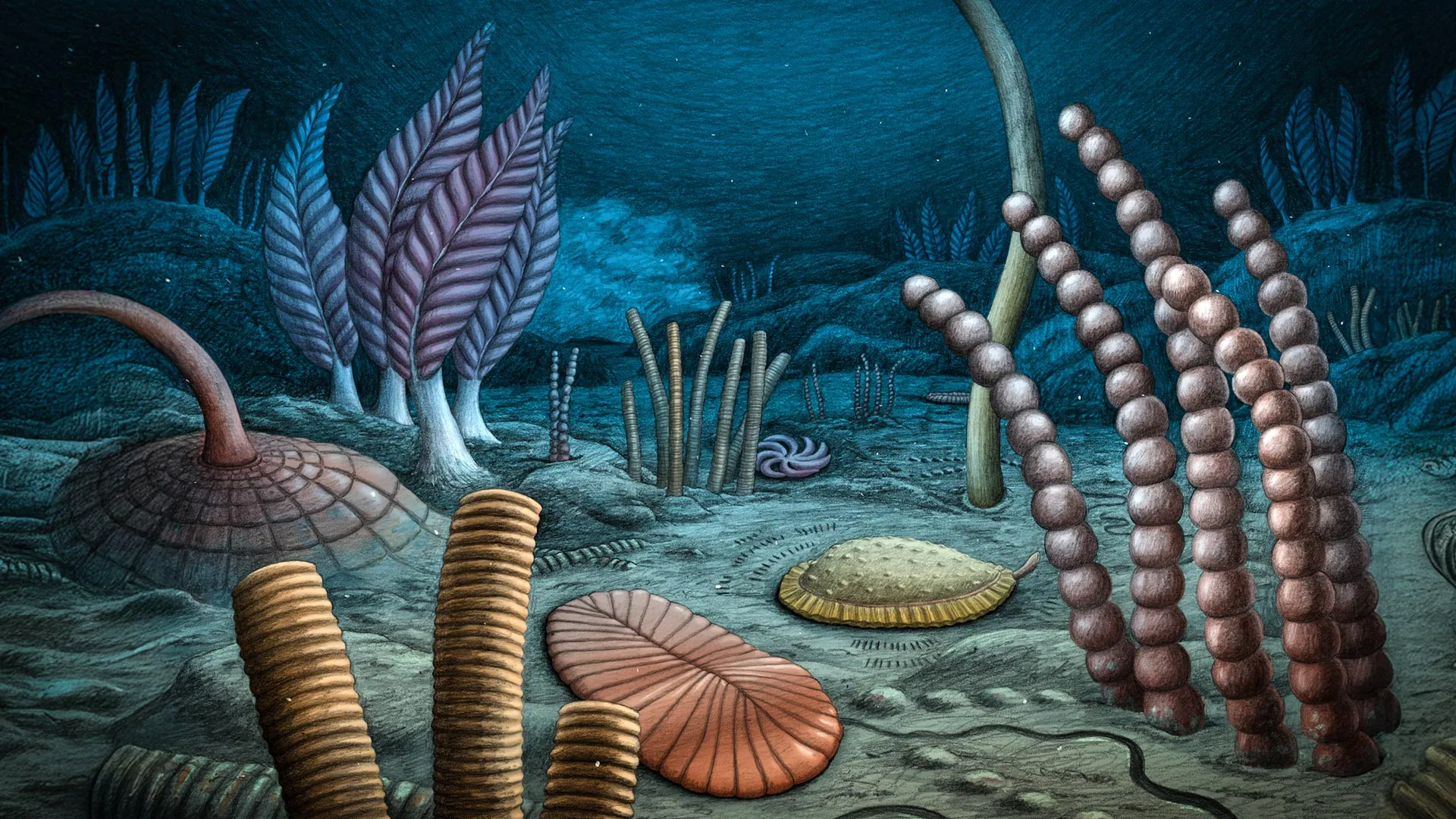
Among the more than 100 fossils recovered are six distinct groups never previously documented in North America. These include bathmat
or pancake
forms like Dickinsonia, a flat organism that lacked a mouth and absorbed nutrients directly through its lower surface as it traveled across the seafloor. Another prominent find is Funisia, a stationary, tube-shaped organism that lived in clustered colonies, offering the oldest known fossil evidence of sexual reproduction through the synchronized release of gametes into the water.
Researchers also identified Kimberella, an early relative of modern mollusks that navigated ancient sediments using a muscular foot to scrape food from the ocean floor. Together with abundant trace fossils indicating active locomotion, the discoveries prove that complex animal behaviors were already well underway roughly 567 million years ago.
Related reading