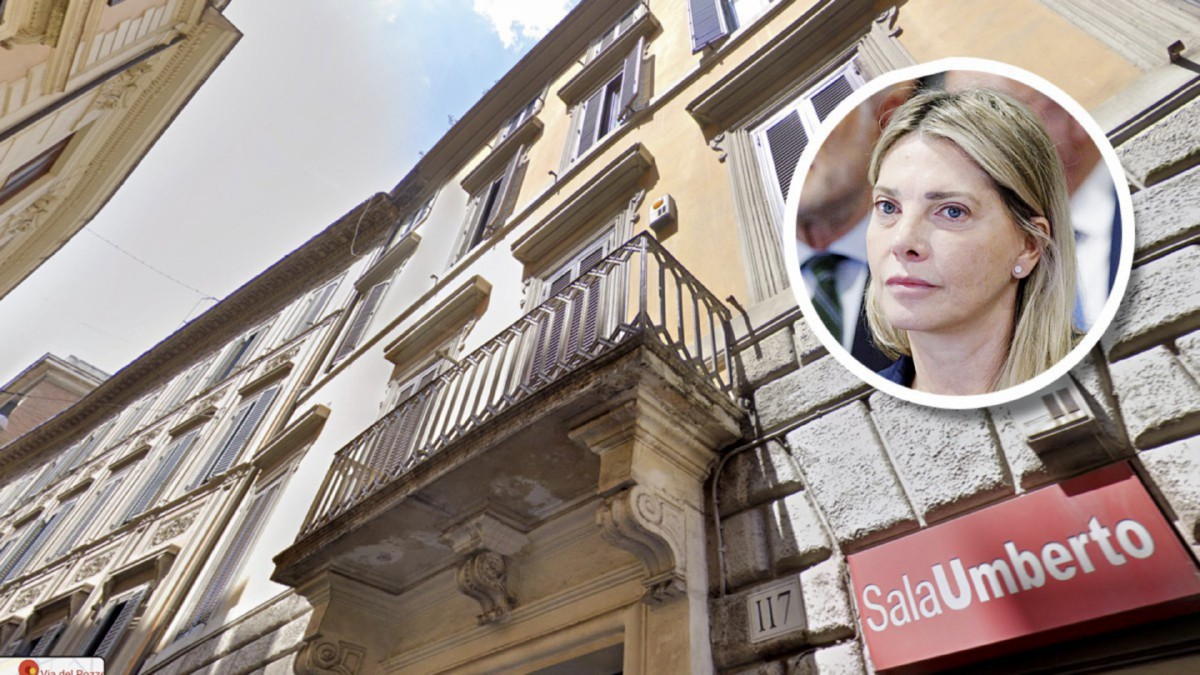
Former Italian politician and local administrator Maria Grazia Bartolozzi faces potential tax and regulatory scrutiny following real estate transactions involving a luxury penthouse property. The situation, which centers on the management and fiscal reporting of high-value residential assets, has drawn attention to the intersection of private property investment and the stringent disclosure requirements governing public figures.
According to public records and recent reports, the inquiry focuses on whether the transition of the property—a luxury penthouse situated in a prime urban location—adhered to standard tax reporting protocols and municipal zoning regulations. Legal experts note that for individuals who have held public office, the scrutiny of personal asset management is heightened, particularly regarding the potential for capital gains tax liabilities and the formal registration of usage rights.
The Regulatory Framework and Tax Implications
The core of the issue involves the fiscal classification of the property. Under Italian law, specifically the provisions overseen by the Agenzia delle Entrate (the Italian Revenue Agency), residential properties must be declared in accordance with their actual use and ownership status. Any discrepancy between the declared status and the commercial exploitation of a property can trigger significant administrative penalties and retroactive tax assessments.
Financial analysts suggest that if the property was utilized in a manner that generated undisclosed revenue, the owner may be liable for unpaid taxes on that income. Furthermore, local building codes in major Italian cities often impose strict limitations on the short-term rental or commercial use of residential units in historic or luxury districts. Compliance with these municipal directives is mandatory, and failure to secure the necessary authorizations can result in fines and, in some cases, orders to cease specific activities.
The Scrutiny of Public Figures and Asset Disclosure
Maria Grazia Bartolozzi, who has served as a member of the Italian Chamber of Deputies, is subject to the transparency requirements expected of former parliamentarians. These requirements generally include the filing of annual financial statements and asset disclosures intended to prevent conflicts of interest and ensure fiscal integrity. While private real estate transactions are generally permissible, they often become a point of public interest when they involve luxury assets that may be linked to broader commercial ventures.
The current situation highlights the risks associated with the management of high-end real estate portfolios. Tax authorities have increasingly utilized cross-referencing systems—matching property registry data with utility consumption and income declarations—to identify potential irregularities. For high-profile individuals, these digital audit trails make the accurate reporting of secondary properties essential to avoid formal investigations.
Next Steps in the Verification Process
The next checkpoint in this matter will likely involve a formal review by the relevant municipal or fiscal authorities if discrepancies are formally flagged in the property’s fiscal history. Interested parties and the public generally monitor such developments through the official filings available via the Registro delle Imprese or local land registries.
As of this reporting, there has been no official statement regarding the conclusion of any administrative proceedings. Further updates will depend on the findings of the tax authorities or any potential legal challenges filed by the parties involved. We will continue to track official documentation as it becomes available.
This is a developing situation. If you have verified information regarding public records or official filings, please feel free to share your insights in the comments section below.