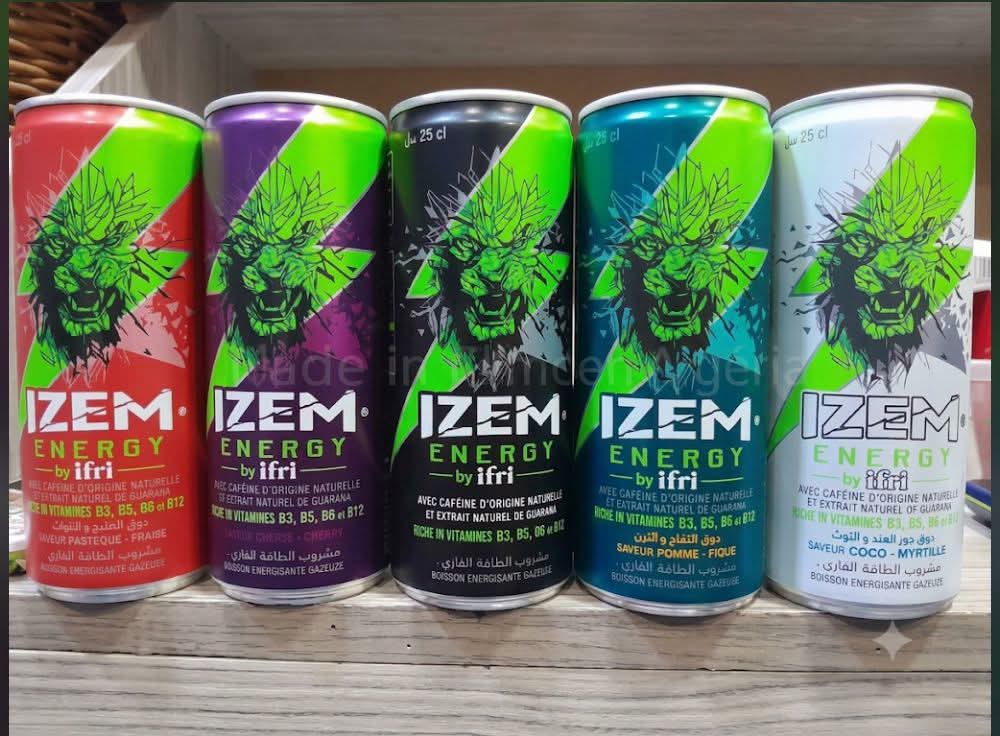
Public health advocates and consumer protection groups are ramping up warnings against the excessive consumption of energy drinks, highlighting a growing pattern of severe health risks linked to high-caffeine beverages. Consumer advocacy organizations, including groups focused on public safety and nutritional awareness, emphasize that heavy intake of these popular stimulants can trigger acute cardiovascular strain, neurological disturbances, and dangerous interactions when combined with other caffeinated products like coffee.
Medical professionals and regulatory bodies have increasingly turned their attention to the chemical composition of commercial energy boosters. Standard formulations frequently pack substantial amounts of caffeine, synthetic stimulants, sugar, and herbal additives such as taurine and guarana into a single serving. According to clinical toxicologists, consuming these ingredients in rapid succession or mixing them with traditional coffee creates a pharmacological overload that pushes human physiology beyond safe operational thresholds.
The core hazard centers on the central nervous system and the cardiovascular system. High concentrated doses of caffeine cause rapid increases in heart rate, known as tachycardia, alongside spikes in blood pressure. For individuals with underlying, undiagnosed heart conditions, these sudden hemodynamic shifts can precipitate arrhythmias or other cardiac emergencies. Emergency departments routinely treat patients presenting with severe palpitations, anxiety attacks, and tremors following bouts of heavy energy drink consumption.
The Hidden Dangers of Mixing Coffee and Energy Drinks
A primary concern highlighted in recent medical advisories involves the dangerous practice of combining coffee with commercial energy drinks. While many consumers view this mixture as a simple way to increase alertness during long work hours or periods of study, physicians warn that stacking different sources of caffeine compounds the toxicity risk.
Caffeine toxicity manifests through symptoms that extend far beyond simple jitteriness. Patients experiencing acute overdose often report severe gastrointestinal distress, dizziness, insomnia, and profound psychological agitation. When individuals consume an energy drink alongside multiple cups of coffee, their total caffeine intake can easily exceed safe daily thresholds recommended by health authorities, transforming a routine beverage into a serious health hazard.
Public health campaigns stress that vulnerable populations face the highest risk. Adolescents and young adults, who form a major consumer demographic for energy drinks, are particularly susceptible to the cardiovascular effects of high stimulant loads. Because adolescent bodies are still developing, the sudden influx of synthetic stimulants can disrupt normal neurodevelopment and cardiovascular regulation.
Regulatory Scrutiny and Consumer Safety Guidance
Consumer protection agencies point out that marketing strategies frequently target younger demographics through aggressive branding and sponsorship of extreme sports. In response, advocacy groups are urging stricter labeling requirements, clear warning notices regarding maximum daily limits, and prohibitions on sales to minors in certain jurisdictions.
Public health officials recommend several practical steps for individuals looking to manage their stimulant intake:
- Check product labels carefully to track total milligram amounts of caffeine per serving.
- Avoid combining energy drinks with coffee, prescription stimulants, or alcohol.
- Limit consumption strictly during periods of high physical exertion or intense heat, as dehydration magnifies cardiovascular stress.
- Seek immediate medical attention if rapid heartbeat, chest pain, or severe dizziness occurs after consuming caffeinated beverages.
As medical researchers continue to monitor the long-term metabolic and cardiovascular impacts of habitual energy drink use, consumer protection advocates urge greater public awareness. Regulatory agencies plan to release updated dietary guidelines addressing high-caffeine products in upcoming safety reviews. Readers are encouraged to share their thoughts or experiences in the comments section below.
- FUCAM Suffers Cyberattack: Breast Cancer Foundation Compromises Patient Data
- Health Benefits of White Beans: What a 2016 Meta-Analysis Reveals
- How Heatwaves and Rising Temperatures Impact Childrens Mental Health (world-today-news.com)
- Two Indonesian Ferry Disasters, 17 Days Apart, Same Old Warnings (daybreakwire.com)