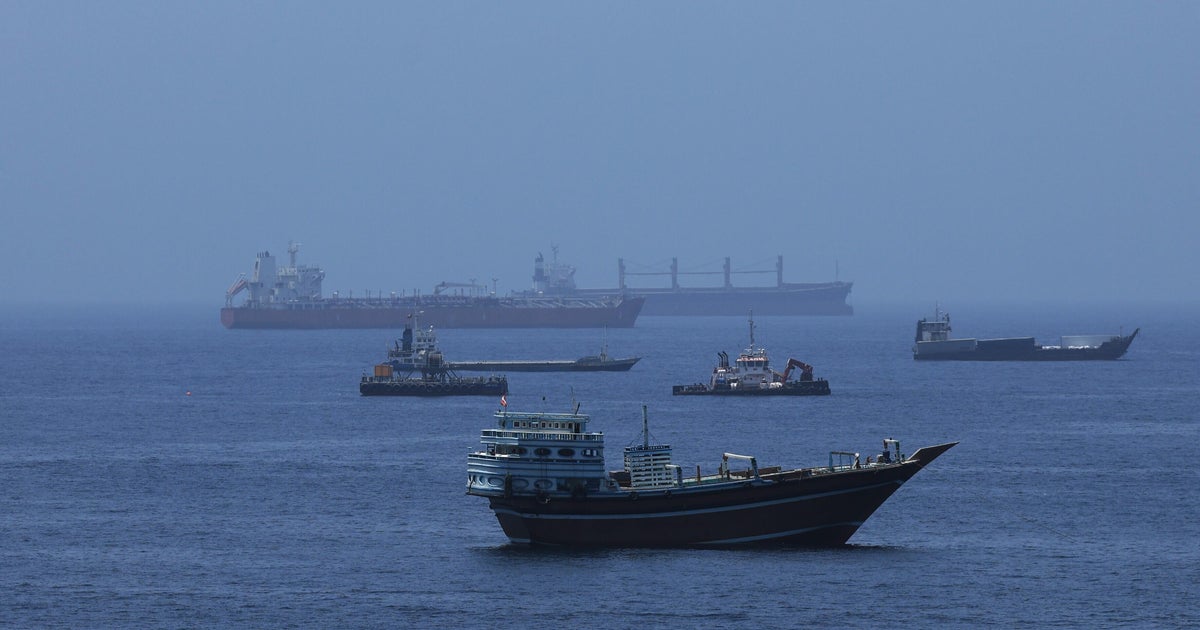
President Donald Trump told reporters that a potential agreement regarding the Strait of Hormuz could materialize soon, following a diplomatic engagement between Iran and Oman. The remarks arrived as international observers monitor maritime stability through one of the world’s most critical energy transit corridors, where regional diplomacy continues to intersect with global economic security.
The Strait of Hormuz handles a substantial share of the globe’s petroleum traffic, making any diplomatic movement in the region a matter of immediate international interest. According to public reports and administrative briefings, the discussions involving Oman serve as a diplomatic conduit between regional powers and Western governments seeking to lower tensions and secure commercial shipping lanes.
While specific terms of the anticipated announcement remain under wraps, market analysts and geopolitical specialists are assessing how regional talks could shift trade dynamics in the Persian Gulf. The involvement of Oman, a frequent diplomatic intermediary in Middle Eastern affairs, underscores an ongoing effort to bridge gaps between Tehran and international stakeholders.
Diplomatic Channels and Regional Stakeholders
Oman has historically maintained a unique diplomatic posture, acting as a neutral mediator in complex regional disputes. Recent diplomatic exchanges between Iranian officials and Omani counterparts have focused on maritime security, freedom of navigation, and easing economic pressures in the Gulf.
Shipping companies, energy conglomerates, and insurance providers closely monitor these developments, as stability in the Strait of Hormuz directly influences global crude oil prices and supply chain logistics. International trade bodies emphasize that clear communication channels between naval forces and commercial vessels are essential to prevent disruptions in the narrow waterway.
Economic Impacts on Global Energy Markets
Any formal agreement or de-escalation framework concerning the strait carries immediate weight for energy markets. A significant portion of liquefied natural gas and petroleum exports originating from Persian Gulf producers passes through the narrow shipping channel daily.
Energy traders and economists note that market volatility often reacts to geopolitical signals originating from Washington and regional capitals. Sustained diplomatic engagement helps mitigate sudden price spikes, providing greater predictability for importers across Asia, Europe, and the Americas.
Next Steps in Maritime Diplomacy
Official statements or detailed frameworks from the involved governments are expected as discussions progress through diplomatic channels. Observers will track upcoming announcements from regional ministries and international monitors to determine the scope of any prospective arrangement.
We welcome your perspective on these developments. Please share your thoughts or join the conversation in the comments below.
Keep reading
- Endometriosis Expert Surgeon Masahide Kanayama Receives Suspended Sentence for Site Damage
- Belgium Sunday Store Closures Ending: What Changes for Shoppers on August 13
- SpaceX Engineer Plans to Cash Out $23M Stake Following Nasdaq Listing (archyworldys.com)
- Trump Confronts Jeanine Pirro in Explosive Oval Office Showdown Over Reflecting Pool Case (news-usa.today)