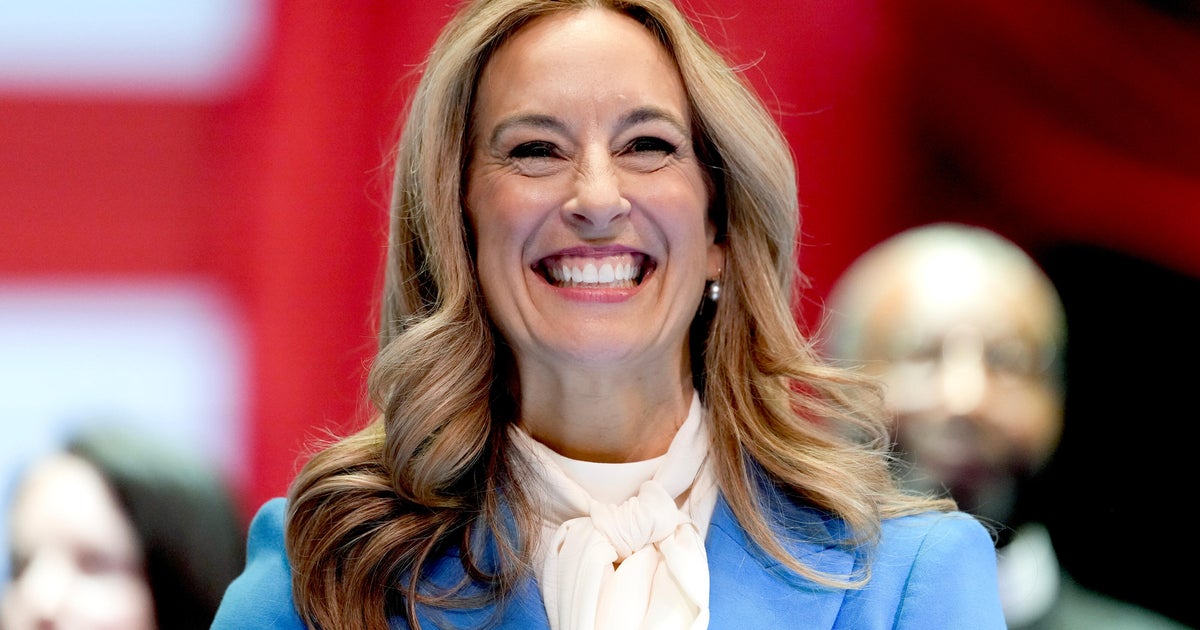
New Jersey Governor Mikie Sherrill has made her first significant move onto the national political stage by issuing mid-term endorsements for 13 Democratic congressional candidates across the country. The coordinated rollout by the moderate governor signals a deliberate effort to shape the national debate over the future and direction of the Democratic Party as it prepares for upcoming legislative contests.
The slate of endorsements focuses heavily on competitive swing districts and key battleground states where moderate voices often dictate the balance of power in Washington. By stepping outside her home state to back candidates in diverse regional markets, Sherrill is staking out a distinct profile among prospective national leaders who are actively engaging in party-building well ahead of the midterms.
Political analysts note that early endorsements serve a dual purpose for rising figures: they build early chips with congressional contenders while signaling to national donors and party strategists that a governor or senator is willing to invest political capital beyond local borders. Sherrill’s office framed the selections as part of a broader push to protect and expand Democratic representation in Washington by supporting pragmatic candidates capable of winning tough geographic terrain.
Building a National Profile Through Strategic Endorsements
The 13 candidates receiving Sherrill’s backing represent a mix of incumbent lawmakers facing challenging reelection bids and competitive challengers running in Republican-held seats. Campaign finance and strategy observers point out that early institutional support from sitting governors often provides a critical fundraising boost during the primary phases of an election cycle.
Sherrill, a former Navy helicopter pilot and federal prosecutor who won election to the New Jersey governor’s office, has consistently positioned herself within the pragmatic wing of the Democratic Party. Her legislative and executive background has often emphasized national security, infrastructure investment, and economic pragmatism, themes that her campaign aides say resonate with voters in competitive suburban districts nationwide.
By lending her name and political apparatus to candidates in regions far outside New Jersey, Sherrill joins a crowded field of governors and federal lawmakers actively auditioning for broader national leadership roles. These localized investments allow prominent Democrats to establish direct lines of communication with grassroots organizations and state party leaders in vital electoral states.
Party Strategy and the Moderate Caucus Outlook
The debate over the Democratic Party’s ideological direction has intensified following recent electoral cycles, with moderate and progressive factions frequently vying to define the core message for working-class and suburban constituencies. Sherrill’s targeted endorsements are widely viewed as an intentional effort to anchor the party’s platform in practical governance rather than rigid ideological purity.
National committees and independent political action committees are closely monitoring how early gubernatorial engagements influence primary outcomes. While progressive groups continue to mobilize large volunteer networks and substantial small-dollar donations, moderate leaders argue that winning majorities requires candidates who can appeal to independent voters in politically mixed districts.
Campaign officials working with the endorsed candidates reported that the announcements have already triggered increased engagement from regional donors and local volunteers. As the midterm election cycle accelerates, candidates backed by high-profile national figures typically leverage those relationships to secure media visibility and validate their campaigns to skeptical editorial boards and civic leaders.
Next Steps and Campaign Calendar
The endorsed candidates will face upcoming primary filing deadlines and nominating contests over the coming months, setting the stage for general election matchups later in the year. Political committees and state election offices anticipate heightened campaign spending as outside groups ramp up television and digital ad buys in these targeted battleground districts.
Voters and campaign observers can track official candidate filings, campaign finance disclosures, and upcoming debate schedules through the Federal Election Commission website at FEC.gov or via state-level division of elections portals. Further announcements regarding campaign rallies, joint fundraising events, and policy rollouts are expected from Sherrill’s political operation as the primary season progresses.
Keep reading