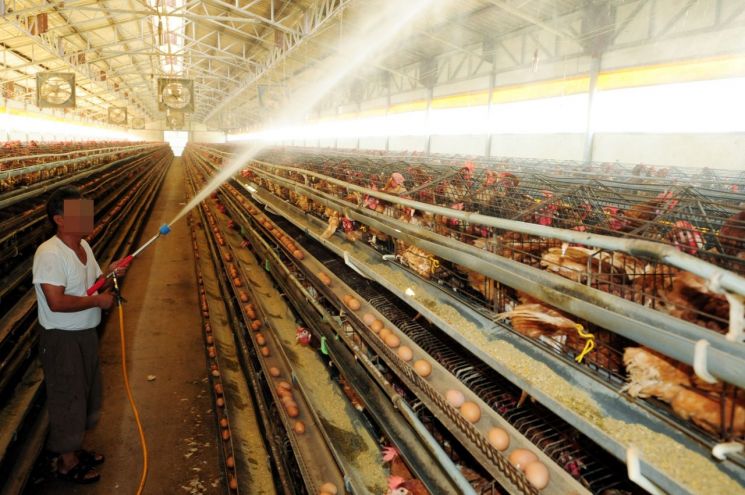
South Korean retail egg markets face growing pressure as the government attempts to balance animal welfare mandates with consumer price stability, sparking a complex policy debate over production costs and farm regulations. According to reports from Asia Economy, recent regulatory shifts expanding mandatory laying hen stocking density and farming space requirements have inadvertently created a structural bottleneck for egg producers, fueling supply anxieties and keeping retail prices elevated for everyday consumers.
The core tension centers on competing public policy goals. On one side, consumer advocacy groups and agricultural regulators push for humane farming practices that reduce animal stress and improve food safety. On the other side, egg producers warn that mandated facility expansions require massive capital investments, driving smaller farms out of business and reducing overall market supply. As supply contracts, wholesale and retail prices climb, placing a heavy financial burden on households already grappling with broader inflation.
Regulatory Shifts and Production Costs
Industry analysts point out that expanding the minimum floor space per bird significantly limits the total capacity of existing henhouses. When a farm must reduce its total flock size to comply with animal welfare standards without expanding physical infrastructure, its fixed overhead costs per egg increase dramatically. According to agricultural economists cited by Asia Economy, these elevated production costs inevitably flow down the supply chain, offsetting government efforts to stabilize food prices through direct market interventions.
Furthermore, upgrading aging agricultural facilities to meet modern environmental and welfare standards requires substantial upfront capital. Many independent farmers lack access to low-interest financing or government subsidies large enough to cover the transition. Consequently, smaller producers often choose to exit the industry entirely rather than absorb mounting debts, accelerating market consolidation among large-scale agribusinesses.
Economic Impact on Consumers
For everyday shoppers, the regulatory squeeze translates directly into persistent price volatility at the supermarket. Eggs serve as an essential staple in South Korean households, making price spikes particularly sensitive for lower-income families and food service small businesses. While animal welfare advocates maintain that ethical food production is a non-negotiable benchmark for a developed economy, price-conscious consumers face immediate pain at the checkout counter.
Government stabilization measures, such as temporary tariff exemptions on imported egg supplies and direct retail price caps, offer only short-term relief. Industry stakeholders emphasize that temporary fixes fail to address the underlying structural deficit caused by declining domestic production capacity and strict land-use regulations. Without a cohesive strategy that bridges animal welfare mandates with financial support for farm modernization, the market remains vulnerable to chronic supply instability.
Looking Ahead
Agricultural ministries and industry associations continue to hold consultations to find a middle ground between ethical farming standards and affordable food prices. Policymakers are reviewing phased implementation timelines and exploring targeted subsidies to help farms adapt to the new space requirements without triggering further supply contractions. Further policy announcements and regulatory adjustments are expected as the government evaluates the long-term impact of the current housing mandates on national food security and consumer inflation.
What are your thoughts on balancing animal welfare with food affordability? Share your perspective in the comments below, and subscribe for ongoing updates on agricultural policy and market trends.
Worth a look