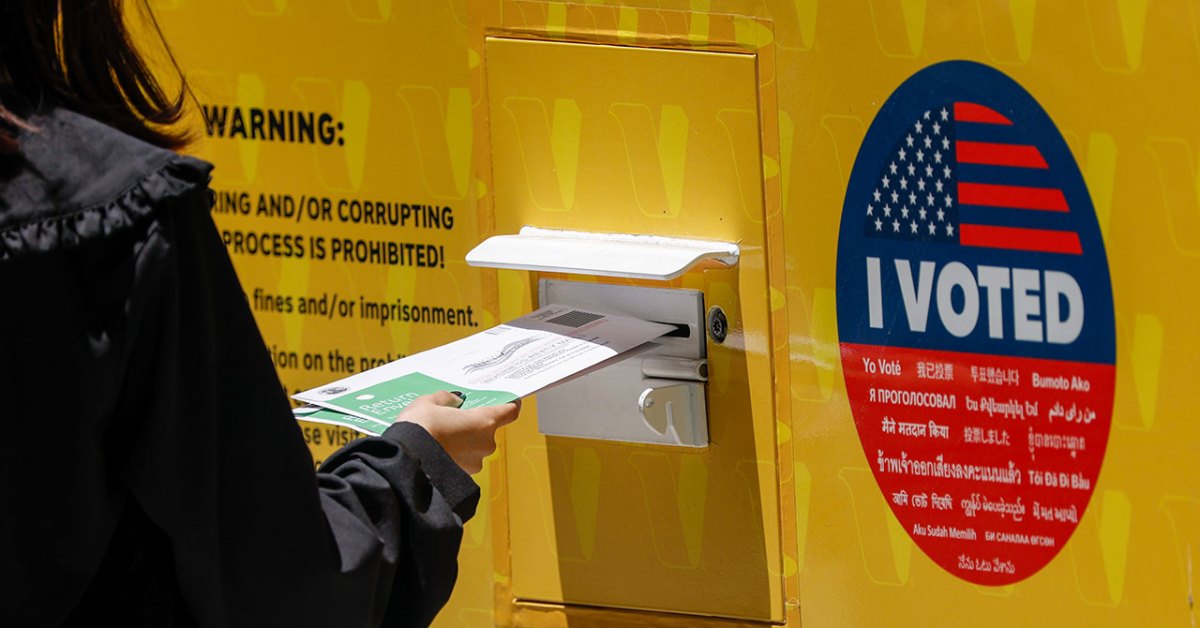
Just over half of American adults express confidence that the upcoming 2026 midterm elections will be conducted fairly and accurately, according to national public opinion data tracking voter sentiment regarding the integrity of United States democratic institutions. Public polling highlights a persistent partisan divide over election administration, voting procedures, and post-election certification processes as local election offices prepare for the legislative contests.
The polling figures underscore a complex landscape of voter trust as electoral authorities across federal, state, and local jurisdictions implement new security measures, update voter registration databases, and expand access options. While a bare majority maintains faith in the procedural reliability of the ballot counting, significant segments of the electorate remain skeptical about security vulnerabilities, administrative consistency, and the verification of results.
Understanding where public confidence stands ahead of the congressional races requires examining the historical context of recent election cycles, the specific administrative changes introduced by state legislatures, and the ongoing communications efforts by bipartisan election officials. Analysts note that trust in election outcomes directly influences voter turnout, civic engagement, and the peaceful transfer of legislative power.
Voter Confidence Metrics and Partisan Divides
National tracking surveys demonstrate that approximately 51% to 54% of registered voters feel confident that the 2026 midterms will be accurate and fair. This sentiment, however, breaks sharply along partisan lines. Republican voters and Democratic voters often report vastly different levels of trust depending on whether they perceive local election boards, voting machine security, and mail-in ballot verification as favorable to their political interests.
According to assessments by the Brennan Center for Justice, public trust in elections has experienced measurable fluctuations following intense political disputes over the 2020 presidential election and the 2024 general election. State-level rule changes regarding voter identification requirements, mail-in ballot deadlines, and drop box availability continue to shape how different demographic and political groups evaluate overall system fairness.
Election administration experts emphasize that public skepticism does not automatically translate into systemic fraud, but rather reflects broader polarization in American politics. Bipartisan groups of local election supervisors point out that transparency measures—such as pre-election logic and accuracy testing of voting machines, post-election audits, and public canvassing boards—remain critical tools for reassuring skeptical voters.
Administrative Preparations and Security Upgrades
State and county election offices are investing heavily in physical and cyber infrastructure upgrades ahead of the 2026 midterms to mitigate vulnerabilities and build demonstrable reliability. Federal agencies, including the Cybersecurity and Infrastructure Security Agency (CISA), continue to provide threat intelligence, risk assessments, and technical assistance to local jurisdictions.
According to guidance published by the U.S. Election Assistance Commission, election officials are prioritizing staff training, robust chain-of-custody procedures for paper ballots, and enhanced cybersecurity defenses against foreign and domestic interference. These operational steps are designed to provide a verifiable paper trail in every jurisdiction, allowing for hand recounts and audits when necessary.
Despite these technological and procedural safeguards, local election officials report facing persistent challenges, including high staff turnover, administrative funding constraints, and public misinformation regarding the mechanics of voting. Many jurisdictions have launched public education campaigns to demystify the tabulation process and invite citizens to observe testing procedures firsthand.
What Happens Next in the 2026 Election Cycle
As the primary election calendar approaches, federal, state, and local election administrators will ramp up voter registration drives, educational outreach, and equipment testing. Voters seeking verified information regarding registration deadlines, polling place locations, and absentee ballot applications can consult official state portals monitored by the National Association of Secretaries of State.
Official timelines and administrative notices will be updated regularly through state election division websites as candidate filing deadlines pass and primary dates draw nearer. Readers are encouraged to share their thoughts in the comments section below and subscribe to our newsletter for continued updates on the 2026 midterms.
Related reading