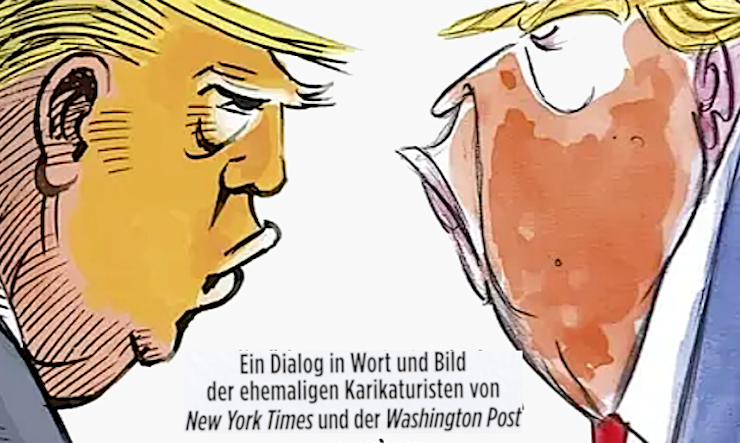
Political satire and the freedom of expression face mounting global pressure as cartoonists navigate an increasingly restrictive media landscape, a tension central to ongoing debates over censorship and press freedom. Satirical artwork targeting high-ranking public figures frequently sparks fierce political pushback, raising critical questions about where protected political commentary ends and suppression begins.
According to international press freedom organizations, the ability to mock and critique political leaders serves as an essential barometer of a healthy democratic society. When governments or powerful entities attempt to block or penalize biting illustrations, they often trigger broader concerns regarding free speech violations and the erosion of democratic norms.
Media watchdogs note that political caricature has a centuries-old tradition of holding power to account. Yet, modern cartoonists frequently encounter administrative hurdles, legal threats, and digital platform restrictions when their work touches on sensitive political figures or polarizing national policies.
The Historical Role of Satire in Political Discourse
Political cartoons function as immediate visual commentary that can distill complex policy debates into a single, highly recognizable image. Historians and media analysts emphasize that visual satire bypasses language barriers, making it an exceptionally potent tool for public criticism.
Throughout modern history, editorial cartoonists have targeted heads of state, prime ministers, and monarchs. Scholars point out that the willingness of a society to tolerate sharp, unflinching critique of its highest officeholders often measures the true strength of its free press protections.
However, the digital age has transformed how satirical content is distributed and regulated. Online platforms enforce varying content moderation policies that can inadvertently or intentionally suppress provocative political illustrations, creating new compliance challenges for independent artists.
Legal Protections and International Press Standards
Legal frameworks governing freedom of expression vary significantly across jurisdictions, leaving many cartoonists vulnerable to local defamation laws or restrictive state policies. International human rights bodies consistently argue that public figures must tolerate a higher degree of criticism than private citizens due to their positions of authority.
Despite these established legal principles, enforcement remains inconsistent. Organizations monitoring global press freedom regularly document instances where satirical publications face legal challenges, distribution bans, or intimidation tactics from state actors and litigious politicians.
Legal experts emphasize that defending the rights of satirical artists requires robust enforcement of existing free speech protections and transparent judicial review when governments attempt to suppress controversial commentary.
Current Challenges Facing Independent Cartoonists
Independent illustrators working outside mainstream media conglomerates face unique economic and professional hurdles. The contraction of traditional print journalism has reduced the number of dedicated outlets publishing regular editorial cartoons.
Consequently, many artists rely on digital subscription models and social media platforms to reach audiences directly. This shift introduces new vulnerabilities, as automated content filters and shifting corporate terms of service can restrict political artwork without formal legal proceedings or public oversight.
Free expression advocates continue to urge international bodies, publishers, and digital platforms to establish clearer safeguards ensuring that satirical commentary receives the same protections afforded to traditional text-based journalism.
Worth a look