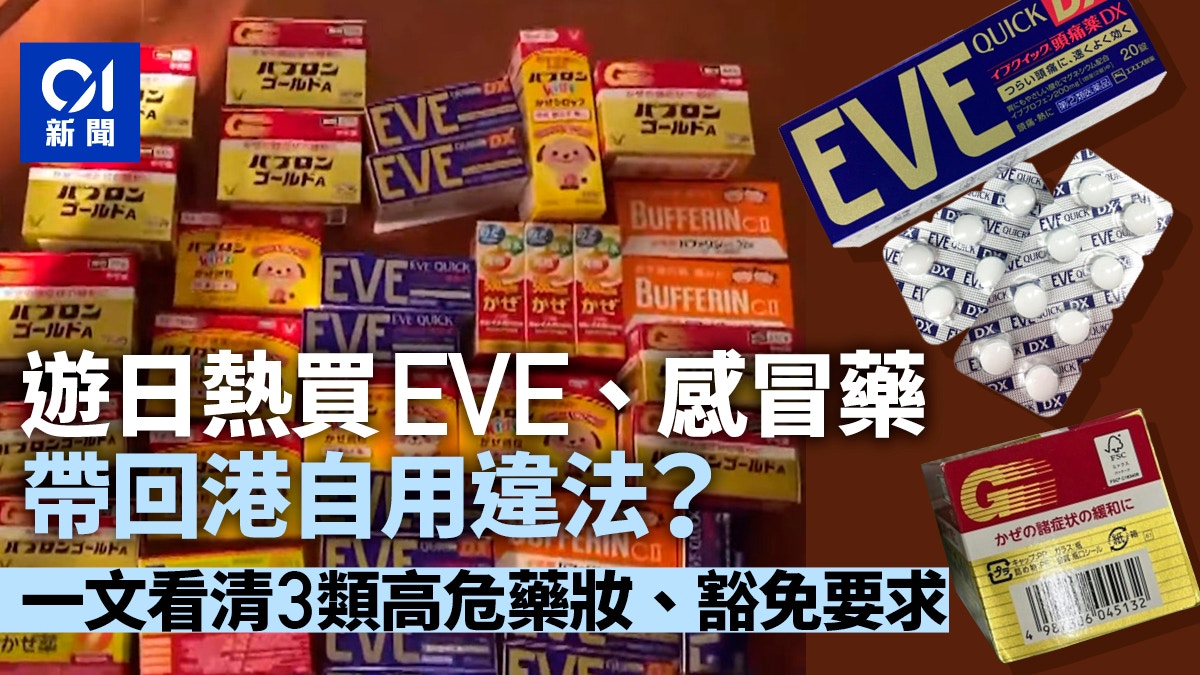
Travelers returning to Hong Kong with medications purchased in Japan face legal scrutiny if those products contain controlled ingredients, according to recent enforcement warnings and legal reminders.
For international travelers and shoppers returning from Japan, bringing back pharmacy items can trigger criminal liability under local ordinances. Authorities stress that while personal travelers may qualify for exemptions under specific regulatory conditions, possessing medications that contain controlled substances without a proper license violates Hong Kong law.
The issue has gained renewed urgency following a series of local enforcement operations. Health regulators and law enforcement have seized hundreds of boxes of unregistered pain relief products and pharmaceutical items, leading to arrests.
Legal Risks of Bringing Japanese Medications to Hong Kong
Purchasing analgesics during a trip to Japan is a routine habit for many tourists. However, the active chemical compounds in these products often differ from formulations approved for sale in Hong Kong. Local legal experts emphasize that simply possessing certain compounds can constitute an offense, regardless of whether the drugs were bought legally abroad.
Legal commentators note that buying items on behalf of friends or family members does not exempt an individual from prosecution if the products cross the border illegally. Each traveler remains personally accountable for the contents of their luggage.
The distinction between personal use and commercial distribution often hinges on quantity, but possession of restricted chemical precursors remains illegal without proper licensing.
Exemption Conditions for Travelers
Travelers seeking to bring necessary medications back into Hong Kong must meet specific criteria to claim exemptions. Regulatory frameworks generally require that the medication be carried in reasonable quantities for personal use during travel or ongoing medical treatment, and that the traveler possesses a valid medical prescription issued by a registered practitioner.
Without satisfying these conditions—namely, verifiable personal medical necessity backed by documentation and quantities consistent with personal consumption—the exemption does not apply. Customs officials at ports of entry inspect luggage for suspicious pharmaceutical products, and failure to declare restricted substances can lead to detention and criminal investigation.
Public health authorities urge residents to check active ingredients against local drug schedules before traveling. Consumers are advised to purchase necessary medical supplies through licensed local pharmacies in Hong Kong rather than stocking up on overseas formulations of uncertain regulatory status.
Recent Enforcement Actions and Official Guidance
Recent sweeps by health inspectors underscore the active nature of these controls. In operations targeting illegal trade and unregistered medicines, enforcement teams recovered substantial quantities of popular analgesic products marketed overseas, arresting individuals connected to the illegal distribution and possession of these goods.
Authorities have not announced a specific date for future legislative adjustments, but inter-departmental surveillance at boundary checkpoints remains ongoing.
Readers are encouraged to share their thoughts or experiences regarding travel regulations in the comments below, and to share this report with fellow travelers to ensure compliance with local import laws.
Keep reading