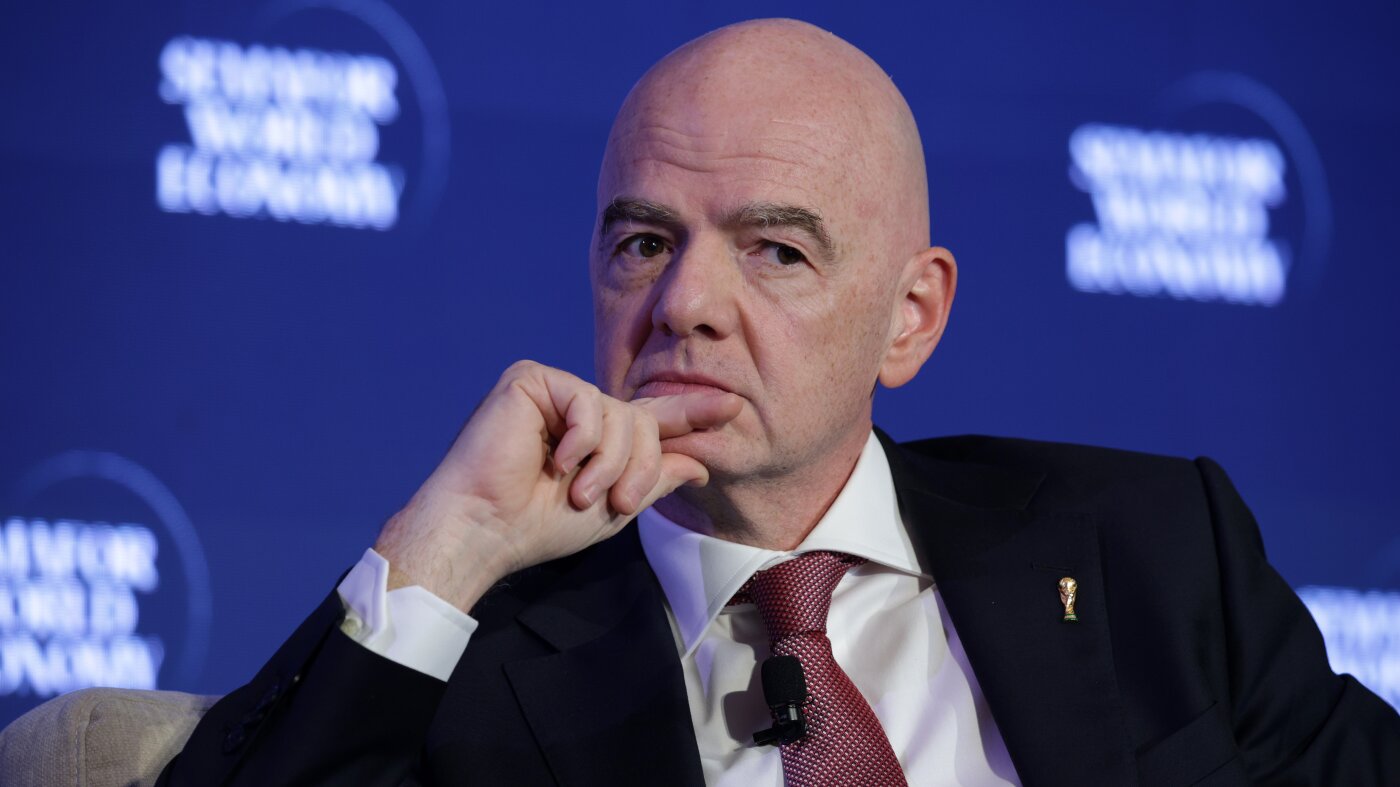
European nations have signaled that a potential World Cup boycott remains on the table, creating a severe political and operational crisis for international soccer governing body FIFA and its president, Gianni Infantino. The persistent friction stems from ongoing concerns regarding governance, human rights, and tournament administration, leaving leadership under immense pressure as preparations continue on a global scale. While international sports authorities navigate these diplomatic tensions, the threat of coordinated European pushback keeps FIFA leadership in a state of operational limbo.
The possibility of a boycott highlights deep-seated fractures between major European football associations and Zurich-based FIFA. According to reports from major sports and news networks, the friction involves fundamental disagreements over tournament calendars, commercial revenue distribution, and broader ethical standards governing the sport. As national federations evaluate their participation, the structural stability of the organization’s flagship tournament faces unprecedented scrutiny.
For FIFA President Gianni Infantino, the ongoing uncertainty complicates efforts to project unity and secure long-term commercial partnerships. The looming threat from influential European voting blocs undermines the governing body’s legislative agenda and forces leadership into a defensive diplomatic posture. Analysts point out that without a resolution to the governance disputes, administrative gridlock could persist well into the tournament cycle.
Diplomatic Friction and Governance Challenges at FIFA
The roots of the current standoff extend across multiple policy areas within international football administration. European football federations, operating under the umbrella of UEFA, have increasingly challenged centralized decision-making processes under Infantino’s administration. Critics within these associations argue that expanded tournament formats and packed international match calendars place an unsustainable burden on players while marginalizing domestic leagues.
Furthermore, human rights organizations and European lawmakers have maintained steady pressure regarding host nation selections and labor standards. Although FIFA has defended its reform trajectory, skepticism remains high among several Western European governments. This political backdrop turns routine administrative votes into high-stakes confrontations, complicating Infantino’s path toward securing a seamless tournament rollout.
Implications for Global Football Stakeholders
A sustained boycott threat carries immediate financial and logistical consequences for sponsors, broadcasters, and participating teams. Major commercial partners monitor the political climate closely, as any disruption to tournament attendance or television viewership directly impacts broadcasting rights and sponsorship value. National teams caught in the crossfire face difficult choices between athletic ambition and diplomatic alignment with their respective governments.
At the same time, players and coaching staff find themselves navigating a polarized environment where sporting commitments intersect with geopolitical controversies. Sports labor representatives have repeatedly emphasized that athletes should not bear the brunt of administrative standoffs between national associations and international governing bodies.
Next Steps and Scheduled Administrative Reviews
The immediate focus shifts to upcoming FIFA congress meetings and executive committee sessions, where member associations are expected to address the governance grievances raised by European delegates. Observers are watching for formal policy adjustments or compromise proposals from Zurich that might appease dissenting federations before qualification stages intensify.
Official updates, meeting agendas, and formal statements regarding tournament preparations are maintained directly through the FIFA official portal, while European policy responses can be tracked via the UEFA official website.
Related reading