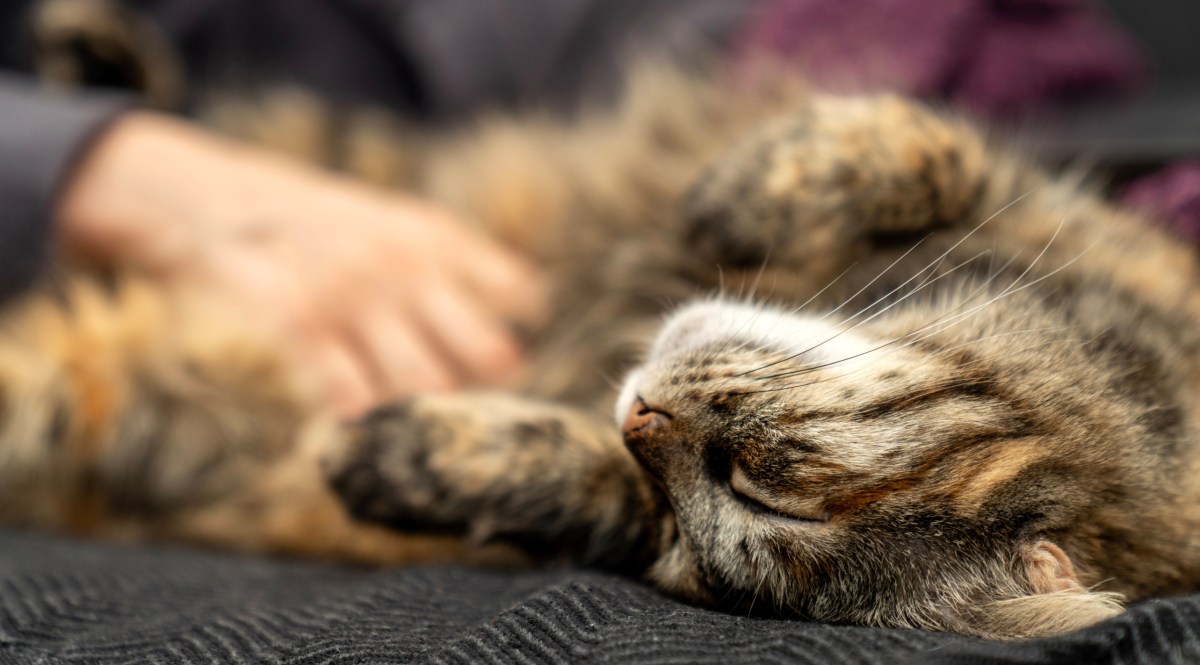
Pet allergy is rarely caused by an animal’s fur, as widespread medical consensus points instead to proteins found in pet dander, saliva, and urine as the true triggers for allergic reactions. According to allergists and immunological researchers, fur serves merely as a physical carrier that transports these microscopic allergens through the air and onto indoor surfaces.
For millions of individuals who experience sneezing, nasal congestion, and itchy eyes around cats and dogs, understanding the biological mechanism behind these symptoms changes how they manage their living spaces. While many people believe that shaving a pet or choosing a short-haired breed will eliminate allergy flare-ups, medical specialists emphasize that fur length has little bearing on allergen production.
The misconception that pet hair itself triggers the immune system persists across global households, often leading to misdirected cleaning efforts. Medical literature from institutions such as the American Academy of Allergy, Asthma, and Immunology confirms that animal proteins are lightweight, sticky, and capable of remaining airborne for extended periods long after a pet has left the room.
The Role of Dander, Saliva, and Sebum in Immune Reactions
The primary source of allergic reactions in dogs and cats involves specific proteins produced by the animal’s sebaceous glands, skin flakes, and saliva. When animals groom themselves, their saliva dries on their fur and skin, flaking off into microscopic particles known as dander.
Because these protein particles measure only a few microns in diameter, they easily bypass standard household air filters and become deeply embedded in carpets, upholstered furniture, and mattresses. According to clinical immunologists, human immune systems mistakenly identify these harmless animal proteins as dangerous invaders, releasing histamines that produce classic allergy symptoms.
Research published by health agencies indicates that cat allergens, in particular, are exceptionally sticky and persistent. Cat dander can travel on clothing into environments where cats have never lived, such as schools and offices, triggering symptoms in sensitized individuals far from the actual animal source.
Why Hair Length Does Not Determine Allergen Levels
Popular culture frequently categorizes certain dog and cat breeds as hypoallergenic because they possess hair instead of fur, or because they shed minimally. However, allergists clarify that no domestic animal is entirely free of allergens.
Even hairless cat breeds, such as the Sphynx, produce dander and secrete allergenic proteins through their skin. While low-shedding breeds may distribute less fur across a home’s flooring, they still release dander and saliva proteins into the immediate environment.
Studies evaluating domestic pet allergens show wide variations in protein output among individual animals of the same breed, meaning that breed alone cannot reliably predict an individual’s allergic reaction. Environmental management—such as frequent bathing, high-efficiency particulate air (HEPA) filtration, and restricting pets from bedrooms—remains far more effective than selecting a specific coat type.
Practical Management Strategies for Sensitive Households
For individuals diagnosed with pet sensitivities, clinical guidelines recommend a multi-faceted approach to reduce indoor allergen concentrations without necessarily rehoming beloved animals. Medical professionals suggest installing HEPA air purifiers in main living areas and bedrooms to capture airborne dander particles.
Regular washing of pet bedding, frequent vacuuming with certified HEPA-filter vacuums, and maintaining hard-surface flooring instead of thick carpeting help minimize allergen accumulation. Consulting a board-certified allergist for targeted treatments, such as immunotherapy or prescription medications, offers long-term relief options for persistent symptoms.
Keep reading