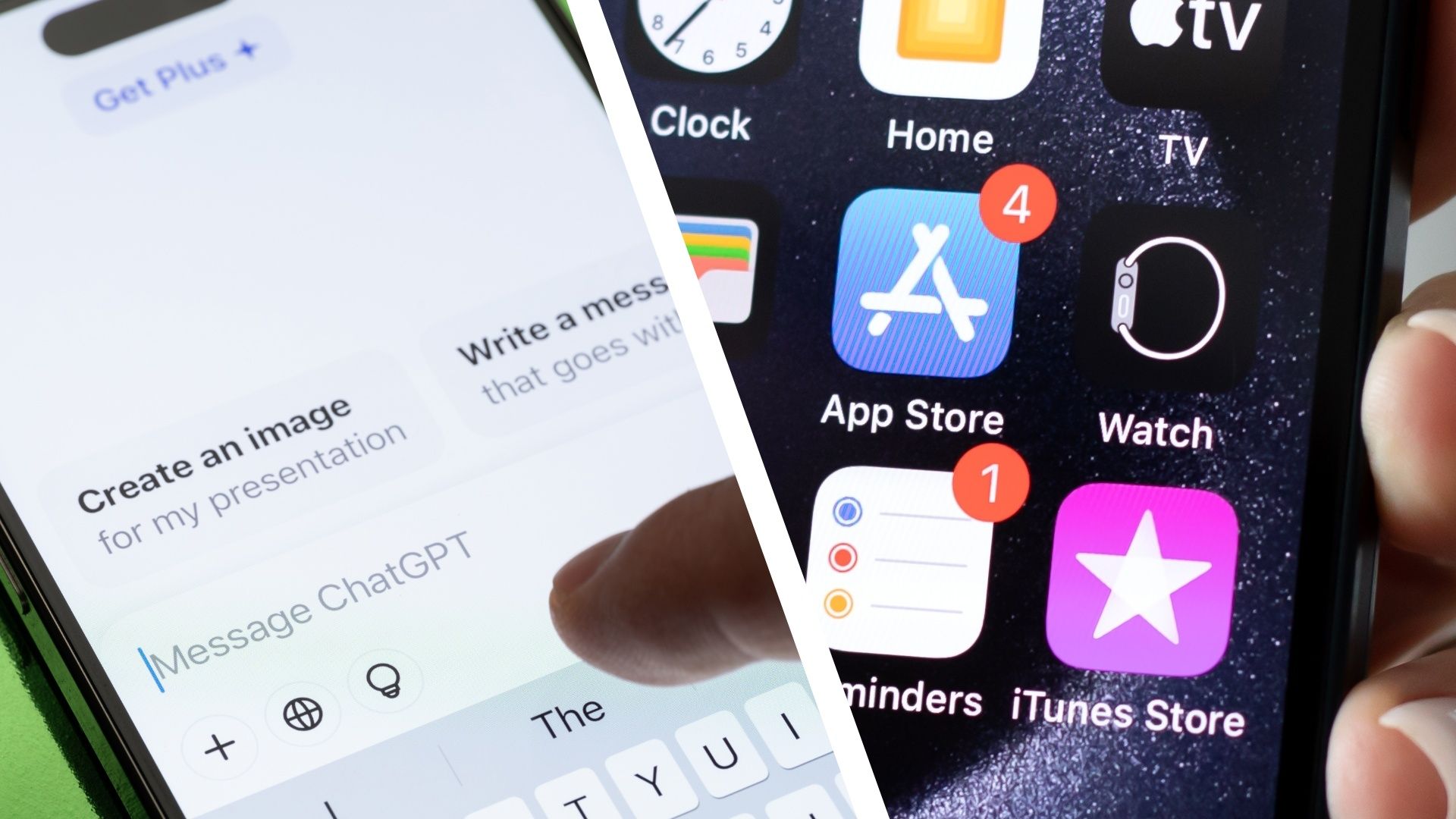
Can artificial intelligence replace your smartphone apps? A daily experiment evaluating ChatGPT across 12 routine digital tasks demonstrates that while large language models handle complex information retrieval and general knowledge exceptionally well, they still struggle significantly with basic device utilities and rapid mechanical actions.
As major technology companies race to embed conversational interfaces deeper into consumer operating systems, everyday users face a fundamental shift in how digital tools operate. To test the practical boundaries of current artificial intelligence technology, a hands-on review was conducted over a full day, substituting ChatGPT for standard mobile applications during common tasks ranging from weather forecasting to language practice.
The results highlight a distinct operational divide in the modern smartphone ecosystem. While conversational AI functions capably as an informational companion, dedicated software applications remain essential for fast execution, local device integration, and seamless user experiences.
Information Retrieval Versus Rapid Device Utility
The experiment revealed that an artificial intelligence chatbot performs best when its primary function involves providing information, explaining concepts, or answering questions. For instance, testing ChatGPT as a weather forecasting tool yielded accurate results pulled from reliable meteorological sources. Although retrieving a multi-day forecast or an hourly outlook required conversational follow-up questions rather than a single tap, the underlying data proved trustworthy.
Similarly, plant identification tasks yielded surprisingly precise results. After taking pictures of leaves, trees, and flowers, the chatbot successfully identified the flora without major errors. General knowledge queries, complex mathematical calculations, and tailored movie recommendations also passed the test, leveraging the vast training data derived from publicly available online discussions and reviews.
However, tasks requiring immediate device action or real-time utility exposed severe limitations. When asked to start a stopwatch, ChatGPT stated it could not measure elapsed time directly. Attempts to set a focus timer resulted in delayed notifications sent via email that ultimately landed in a spam folder rather than triggering an instant device alarm.
Interface Friction and the Missing Experience
Beyond functional failures, conversational interfaces often introduced unnecessary friction compared to traditional graphical user interfaces. Using voice mode for guided meditation proved counterproductive due to occasional unnatural intonation and conversational hesitation markers that disrupted relaxation. Navigating travel routes from home to an airport highlighted similar drawbacks; while the initial route planning was clear, subsequent conversational prompts regarding flight times triggered unwanted calendar tasks, requiring manual cancellation and redirection.
Interactive tasks, such as language learning and word puzzles, underscored the value of purpose-built app design. While ChatGPT successfully generated letter sets for spelling games or engaged in Spanish conversational role-play, the lack of a dedicated visual interface made the experience feel clunky. Furthermore, voice-mode glitches—such as intermittent audio pauses and misinterpretations during language practice—demonstrated that chatbots lack the reliability of specialized educational software like Duolingo.
Food delivery planning exposed a further disconnect between recommendation and execution. Although ChatGPT successfully suggested local eateries matching specific budget and preference criteria, every recommended establishment was closed at the time of the query, emphasizing the gap between generating static advice and accessing real-time inventory systems.
The Future of AI-Native Operating Systems
These findings suggest that replacing current mobile applications entirely with a single chat window is currently impractical. Dedicated apps rely on specialist databases, curated user interfaces, and deep operating system privileges that third-party chatbots cannot easily replicate without native integration.
Industry observers note that future AI-native smartphones will likely embed models directly into the operating system rather than running them as isolated applications. Such deep integration could eventually allow artificial intelligence to manage calendars, timers, and device settings seamlessly, bridging the gap between knowledge retrieval and physical utility.
Until those platform-level integrations mature, consumers will likely continue relying on a hybrid model where knowledge-based tasks merge into conversational agents, while utility apps remain anchored directly to device hardware.