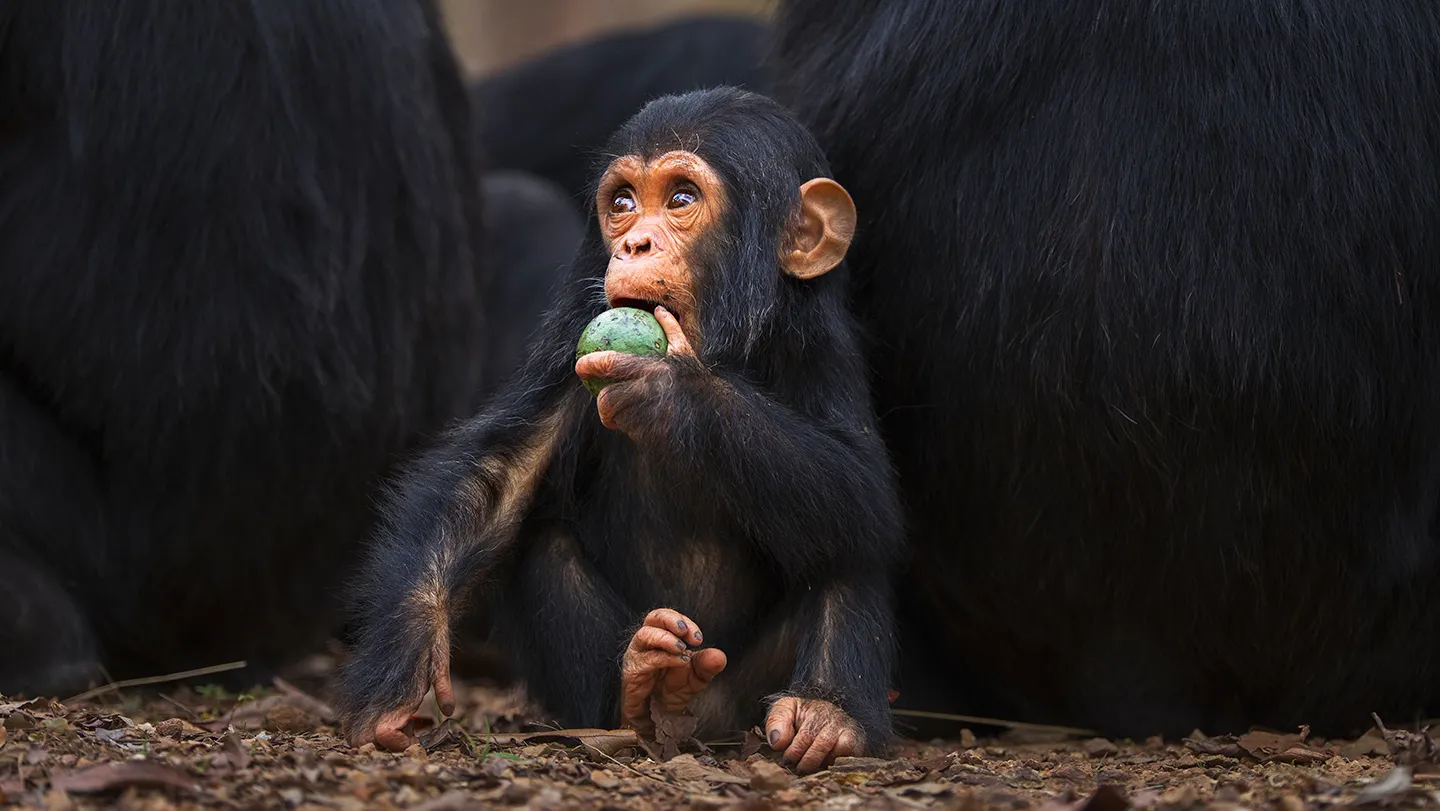
Human evolutionary history may have been significantly shaped by a sweet tooth, according to a recent scientific study suggesting that an affinity for the sugars found naturally in fruits and honey helped fuel the rapid brain growth of our primate ancestors. Researchers exploring dietary shifts in early hominids have identified how readily available natural carbohydrates provided the high-calorie energy necessary to support expanding neural tissue over millions of years.
The transition toward high-sugar food sources represents a critical turning point in metabolic evolution. While modern diets often scrutinize sugar consumption, evolutionary biologists note that our early relatives faced entirely different energetic landscapes where calorie scarcity dictated survival.
Dr. Helena Fischer, Editor of the Health section at World Today Journal, brings over a decade of medical journalism experience and clinical background from Charité – Universitätsmedizin Berlin to examine how ancient dietary adaptations continue to influence human physiology today.
The Metabolic Demands of an Expanding Brain
Human brains consume a disproportionate amount of energy compared to other organs, utilizing roughly twenty percent of the body’s resting metabolic energy despite accounting for a small fraction of total body weight. Anthropological research indicates that sustaining such an energy-hungry organ required a dietary shift toward dense, easily digestible caloric sources.
Wild fruits and raw honey offered concentrated pockets of simple sugars like fructose and glucose. Unlike fibrous vegetation that required extensive digestion time for limited caloric return, sweet foods provided immediate metabolic fuel. This shift helped primate cousins bridge the gap between foraging energy expenditure and the high metabolic costs of encephalization—the evolutionary increase in brain size relative to body size.
Foraging Strategies and Nutritional Adaptations
Primate feeding behaviors historically relied heavily on seasonal availability. As climate changes altered forest canopies and expanded open grasslands, early hominids encountered new ecological niches rich in sugar-producing flora. The ability to detect and metabolize sweet compounds more efficiently offered a distinct survival advantage.
Genetic adaptations mirrored these dietary shifts. Evolutionary studies on taste receptor genes demonstrate that ancestral primates developed refined sensitivities to sweet tastants, guiding them toward ripe fruits that packed maximum nutritional value and away from unripe, potentially toxic vegetation. Honey acquisition, though hazardous due to stinging insects, represented a jackpot of concentrated carbohydrates and micronutrients that further supported metabolic demands.
Modern Health Implications of an Ancient Appetite
The evolutionary drive that once saved early humans from starvation now contributes to contemporary public health challenges. Modern food production systems have transformed rare, high-energy treats into ubiquitous, highly processed commodities. Because human biology retains the metabolic programming of ancestors who survived on scarce natural sugars, contemporary populations frequently consume quantities far exceeding historical norms.
Health authorities and nutritional researchers continue to study these evolutionary mismatches to better understand metabolic disorders, obesity, and type 2 diabetes. Recognizing that our preference for sweetness is deeply embedded in primate heritage reframes the conversation around dietary health from simple behavioral restraint to understanding deep-seated biological drives.
Public health agencies recommend reviewing nutritional guidelines and monitoring added sugar intake according to standards published by organizations such as the World Health Organization, which provides comprehensive data on global nutrition and chronic disease prevention.
Further updates regarding evolutionary anthropology and dietary research are anticipated as academic institutions publish subsequent peer-reviewed findings in upcoming journals. We invite our readers to share their thoughts and perspectives on this topic in the comments section below.
Keep reading