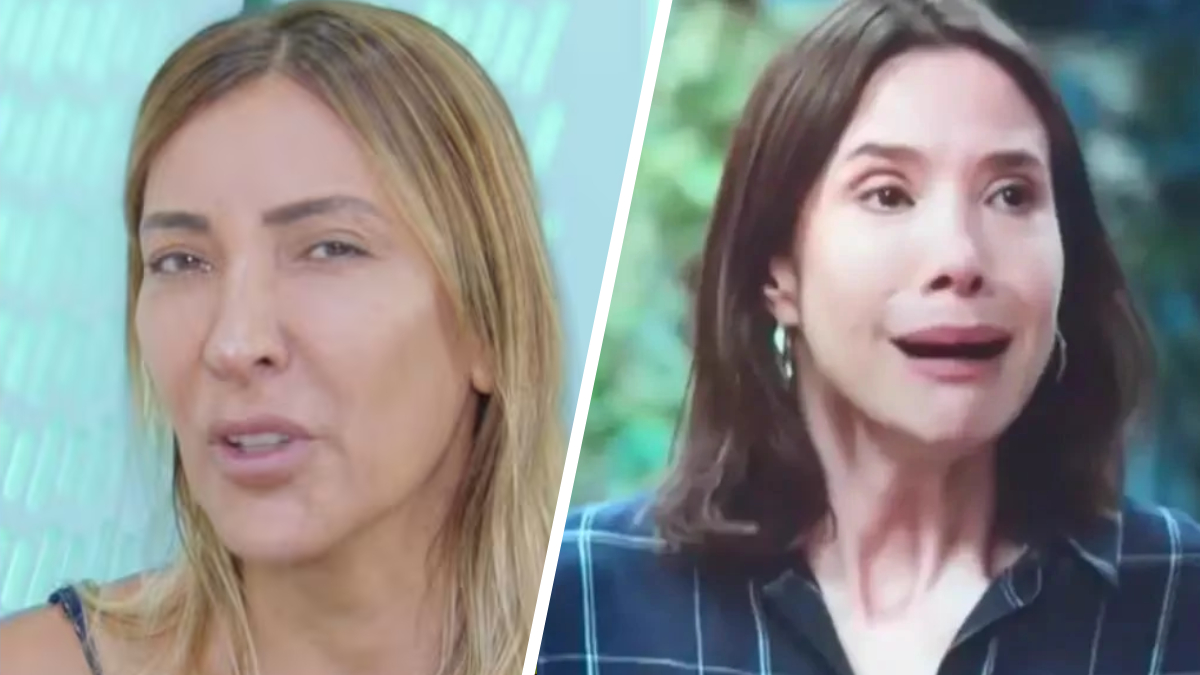
Dra. Carolina Valdés broke her silence following a tense public dispute with Daniela Ramírez over a video analysis regarding facial appearance and aesthetic procedures. The controversy, which drew widespread attention across digital platforms, highlights ongoing public discussions regarding medical ethics, digital commentary, and the boundaries of aesthetic evaluations on social media.
The exchange unfolded after digital content creators and medical practitioners shared commentary regarding public figures and their physical appearance. According to public statements reviewed across media reports, Dr. Valdés addressed the backlash and subsequent disagreements stemming from her initial video breakdown, stating that she experienced direct threats following the online debate.
As digital platforms increasingly intersect with professional medical commentary, the incident underscores broader questions about accountability and communication standards among healthcare professionals online. Observers and digital safety advocates have closely monitored the development as both parties navigate the aftermath of the viral dispute.
Background of the Digital Dispute
The controversy began when Dr. Valdés published an analysis discussing aesthetic procedures and perceived facial changes in public personalities, referencing Daniela Ramírez. The video quickly gained traction, prompting immediate reactions from viewers and digital commentators alike. Online discourse surrounding the analysis escalated rapidly, shifting from general commentary on cosmetic procedures to direct clashes between the individuals involved.
Digital platform metrics showed significant engagement, with thousands of users sharing clips and expressing polarized views on the appropriateness of medical professionals analyzing private individuals or public figures online. Professional bodies and ethics committees frequently remind practitioners that public commentary on health or physical traits can blur professional boundaries, though specific reactions to this case varied widely across social channels.
Public Statements and Response to Threats
Addressing the escalating tension, Dr. Valdés broke her silence to clarify her position and report the hostile reactions she received. She noted that the intense scrutiny crossed into alarming territory, mentioning explicit threats received in the wake of the controversy. Public figures and content creators involved in similar disputes often face coordinated online pressure campaigns, prompting discussions about digital harassment and safety measures on social media networks.
Legal analysts note that online altercations involving medical professionals can carry professional implications, particularly when patient privacy, medical ethics, or defamation concerns are raised. While neither party has formally announced legal proceedings in connection with the threats, the situation remains a prominent example of the volatile nature of viral internet conflicts.
Impact on Digital Medical Communication
The clash between Dr. Valdés and Daniela Ramírez serves as a case study for healthcare communicators utilizing social media. Medical professionals increasingly leverage platforms like Instagram, TikTok, and YouTube to educate the public, debunk myths, and discuss health topics. However, analyzing specific individuals without a direct physician-patient relationship frequently draws criticism from peers and ethics watchdogs.
Public health advocates emphasize the need for clear guidelines on digital conduct for licensed practitioners. As social media algorithms reward high-engagement content, the line between informative medical outreach and sensationalized commentary remains a subject of active debate within medical associations.
What Happens Next
As the discussion continues to circulate online, followers and observers await further official statements or regulatory responses from relevant professional organizations regarding medical conduct on digital platforms. Further updates will depend on any formal complaints or administrative reviews initiated by medical authorities.
What are your thoughts on medical professionals analyzing public figures on social media? Share your perspective in the comments below.
Worth a look