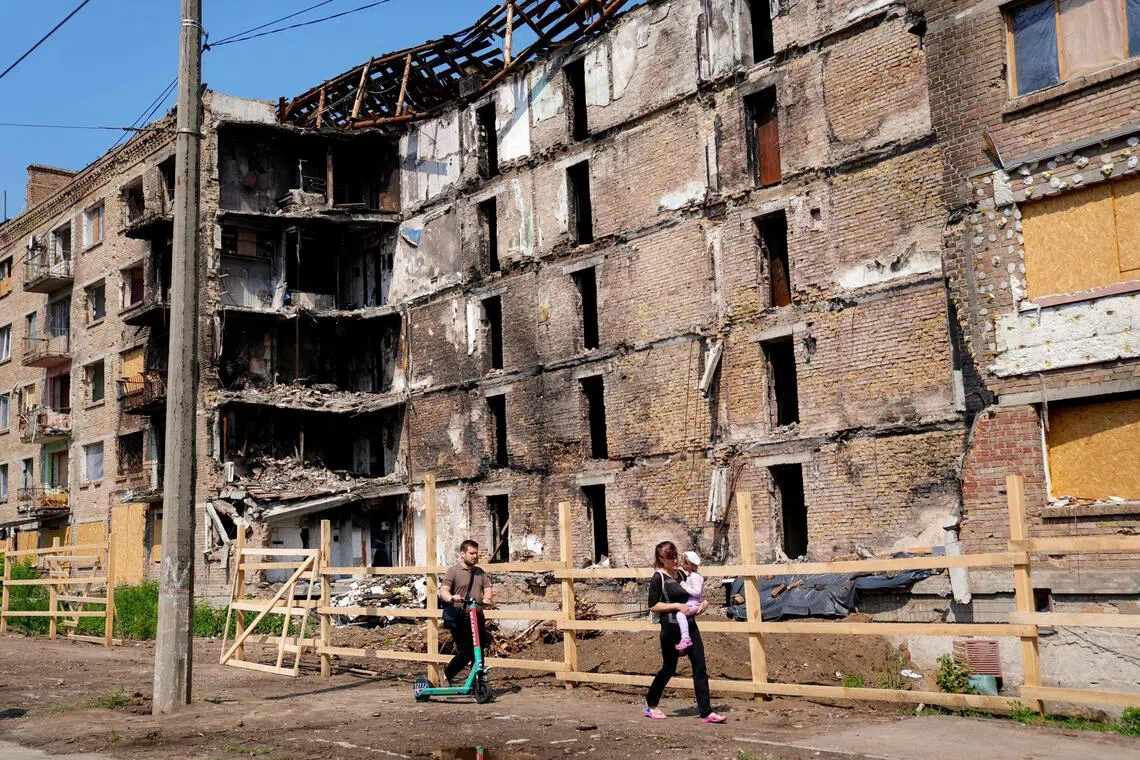
United Nations Secretary-General António Guterres has strongly condemned escalating long-range military strikes by both Russian and Ukrainian forces that have driven a sharp rise in civilian casualties. Addressing the international community as hostilities persist, the UN chief emphasized that attacks directed against populated areas violate international humanitarian law and must cease immediately.
The intensification of long-range missile and drone deployments over recent months has battered urban centers and critical infrastructure across the region. According to monitoring data compiled by the United Nations Human Rights Monitoring Mission in Ukraine (HRMMU), the persistent exchange of heavy bombardments has resulted in hundreds of civilian deaths and widespread injuries, compounding the humanitarian crisis for non-combatants trapped near frontlines and deep within interior cities alike.
“Civilians and civilian infrastructure must be protected at all times,” UN spokesperson Stéphane Dujarric said during a recent briefing detailing the Secretary-General’s position on the mounting death toll. The UN leadership reiterated that international humanitarian law strictly prohibits indiscriminate attacks and requires parties to a conflict to take constant care to spare civilian populations.
Escalating Long-Range Attacks Drive Casualties Up
The past several months have seen a marked shift toward intensified long-range strikes from both sides. Russian forces have continued sustained missile and uncrewed aerial vehicle campaigns targeting energy grids, transport hubs, and residential districts across Ukrainian territory. Concurrently, Ukrainian forces have expanded counter-strikes utilizing long-range drone technology to hit military and industrial targets inside Russian border regions and deeper within Russian territory.
Data released by the United Nations Human Rights Office highlights that civilian casualties spiked significantly during the winter and early spring months as successive waves of aerial assaults battered power generation facilities and apartment complexes. The UN monitoring body recorded dozens of deaths and hundreds of injuries within single weeks during peak bombardment periods, underscoring the lethal toll exacted by modern long-range ordnance in densely populated environments.
Human rights organizations and international monitors have repeatedly warned that the widespread use of explosive weapons with wide-area effects in populated areas almost inevitably causes severe civilian harm. Local emergency services in both countries face immense strain as first responders rush to search rubble, extinguish major structural fires, and provide immediate medical triage following each wave of strikes.
International Humanitarian Law and Accountability
The UN’s condemnation focuses heavily on adherence to the Geneva Conventions and customary international humanitarian law. Legal experts note that while military necessity permits attacks against legitimate military objectives, strikes that fail to distinguish between combatants and civilians—or that cause disproportionate incidental loss of civilian life—constitute serious violations.
International bodies, including the International Committee of the Red Cross (ICRC), continue to call on all parties to strictly respect the foundational principles of distinction, proportionality, and precaution. The ICRC provides operational guidance and emergency support in conflict zones, urging commanders to verify targets meticulously and refrain from deploying heavy explosive weapons in areas where civilians remain concentrated.
Despite repeated diplomatic appeals from the Security Council and the General Assembly, neither Moscow nor Kyiv has signaled a willingness to halt long-range operations. Russian officials maintain that their military operations strictly target infrastructure supporting Ukraine’s war effort, while Ukrainian authorities argue that strikes inside Russia are a necessary defense against ongoing aggression and serve to degrade enemy military capability.
Human Impact and Regional Consequences
Beyond the immediate loss of life, the continuous exchange of long-range strikes has displaced millions and severely disrupted basic services. Water purification plants, heating networks, and medical facilities have suffered repeated damage, leaving vulnerable populations exposed to harsh seasonal conditions and acute shortages of medical care.
The United Nations High Commissioner for Refugees (UNHCR) continues to coordinate humanitarian assistance across the region, providing emergency shelter, winterization kits, and psychosocial support to families uprooted by the fighting. Aid workers stress that the psychological toll on children and the elderly is profound, with many communities enduring months of nightly air raid sirens and subterranean shelter stays.
As the conflict grinds through its third year, international monitors emphasize that accountability mechanisms remain vital. Documenting violations of humanitarian law serves not only to establish an official record for future judicial proceedings but also to exert continuous pressure on belligerents to mitigate civilian suffering.
Next Steps and Official Monitoring
The United Nations Human Rights Monitoring Mission in Ukraine will release its next comprehensive periodic casualty report in the coming weeks, providing updated verified figures on civilian deaths and injuries resulting from hostilities. International observers and humanitarian agencies will continue to track strike patterns and advocate for unimpeded access for relief workers operating near affected areas.
Keep reading