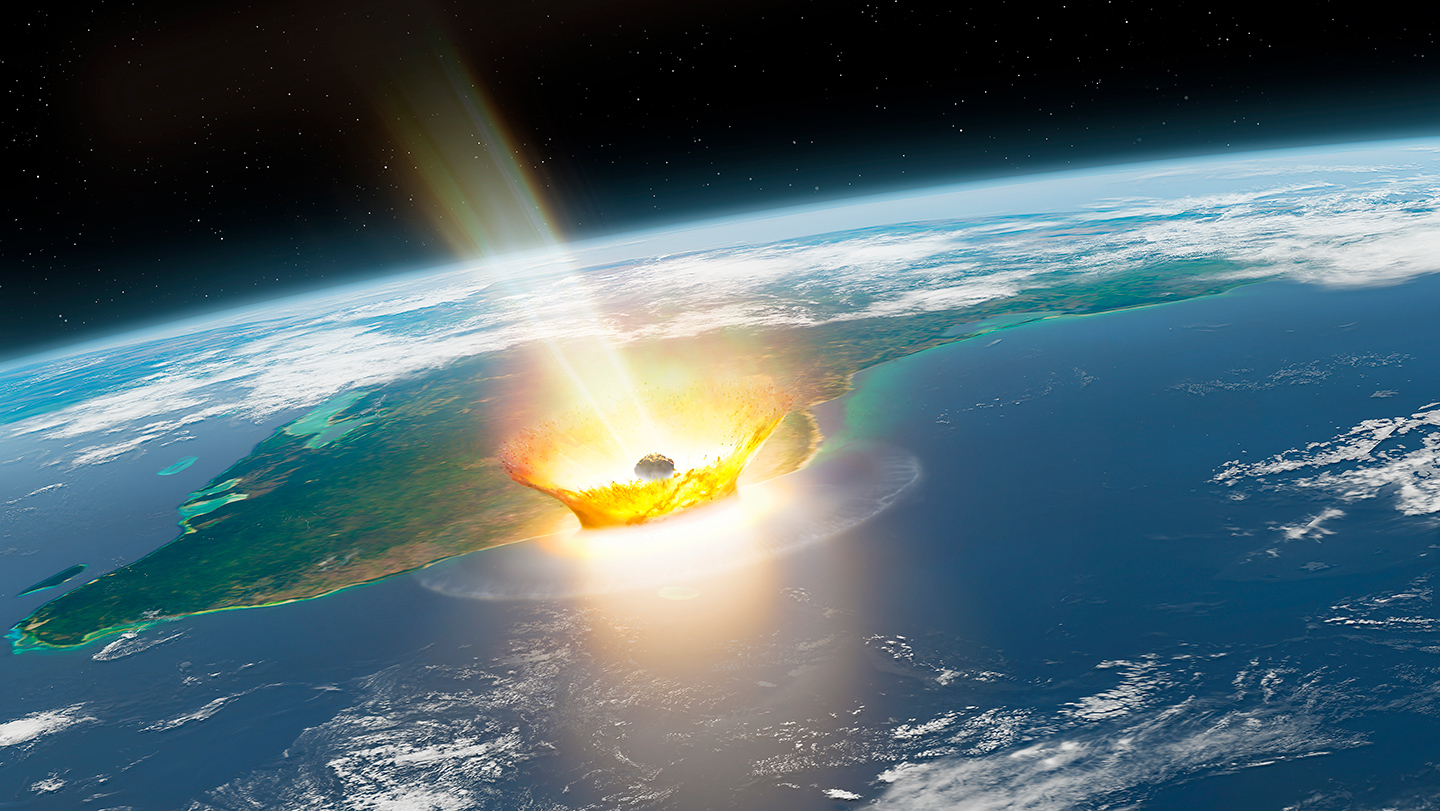
A new analysis of the Chicxulub impact event suggests that fine-grained dust, rather than larger debris, may have been the primary driver of the rapid global temperature spikes that contributed to the mass extinction of the dinosaurs approximately 66 million years ago. Researchers investigating the climate consequences of the asteroid impact have identified how pulverized rock trapped solar heat in the atmosphere, creating conditions that were lethal to many species within hours or days of the collision.
This research, published in the journal Nature Geoscience, challenges long-held assumptions that larger ejecta—such as soot or sulfur—were the sole agents of the post-impact climate shift. According to the study led by scientists at the Royal Observatory of Belgium, the dust produced by the impact remained suspended in the atmosphere for significantly longer than previously modeled, effectively blocking sunlight while simultaneously trapping terrestrial heat.
The Role of Silicate Dust in Global Cooling
The impact of a 10-kilometer-wide asteroid into the Yucatán Peninsula created a massive plume of vaporized rock and debris. While previous studies have emphasized the role of sulfur and soot in causing a “nuclear winter” scenario, this new modeling focuses on the specific size and composition of silicate dust particles. According to the Nature Geoscience study, these particles—ranging from 0.8 to 8.0 micrometers in diameter—remained in the atmosphere for up to 15 years.
The persistence of this dust layer triggered a dramatic drop in global temperatures. Surface temperatures plummeted by as much as 15 degrees Celsius. This rapid cooling suppressed photosynthesis for nearly two years, leading to a catastrophic collapse of food chains that had supported terrestrial and marine life for millions of years. By analyzing sediment cores from the Tanis fossil site in North Dakota, researchers confirmed the size distribution of these dust particles, which matches the dimensions required to sustain such a prolonged atmospheric effect.
Atmospheric Heating and the Immediate Aftermath
While the long-term effect was a global deep freeze, the immediate hours following the impact were defined by intense, localized heat. As the asteroid struck the Earth, it ejected vast amounts of material into the upper atmosphere. As this debris re-entered the lower atmosphere, the friction generated enough thermal energy to heat the air to extreme levels. This phenomenon is often described by paleontologists as the “heat pulse” that affected the immediate vicinity of the impact zone.
According to research published by the Proceedings of the National Academy of Sciences (PNAS), the combination of high-velocity ejecta and atmospheric friction created a thermal radiation environment that likely incinerated vegetation and triggered widespread wildfires. This intense heat phase occurred within minutes to hours of the impact, acting as an immediate shock to the regional ecosystem before the long-term cooling effect of the dust took hold.
Revising Extinction Models
The findings indicate that the extinction of the non-avian dinosaurs was not the result of a single, uniform process, but rather a sequence of compounding environmental catastrophes. The initial heat pulse likely decimated local populations, while the subsequent “impact winter” caused by the silicate dust prevented the recovery of ecosystems. This dual-phase model provides a more complete explanation for why the extinction event was so selective and severe.
Previous models often struggled to explain why some species survived while others perished. The new data suggests that the duration of the dust suspension was the critical variable. Because the silicate dust stayed aloft for over a decade, it created a sustained period of darkness that prevented plant life from recovering, effectively starving the large herbivores that required high volumes of caloric intake. This research highlights the sensitivity of Earth’s climate to atmospheric particulate matter and underscores the role of geological events in shaping biological evolution.
Scientific Consensus and Future Research
The scientific community continues to refine these models using advanced climate simulations. While the Nature Geoscience paper provides a robust framework for understanding the role of silicate dust, further investigation is required to determine the exact interaction between sulfur, soot, and dust in the immediate aftermath of the Chicxulub collision. Current research efforts are focused on integrating these variables into a unified model that can better predict the climate response to large-scale geological or extraterrestrial events.
Researchers are also looking at how these findings apply to other mass extinction events in Earth’s history. By applying the same modeling techniques to volcanic eruptions, such as the Deccan Traps, scientists hope to differentiate between the climate impacts of asteroid collisions and massive, long-term volcanic activity. These studies are essential for understanding how Earth’s biosphere maintains stability under extreme environmental stress.
The next major update in this field is expected as new sediment core data from the Gulf of Mexico is processed by international research teams. Readers interested in the latest findings from the Chicxulub crater project can monitor updates through the International Ocean Discovery Program (IODP), which oversees ongoing drilling and research into the impact site. Please feel free to share your thoughts or questions regarding these findings in the comments section below.
Keep reading