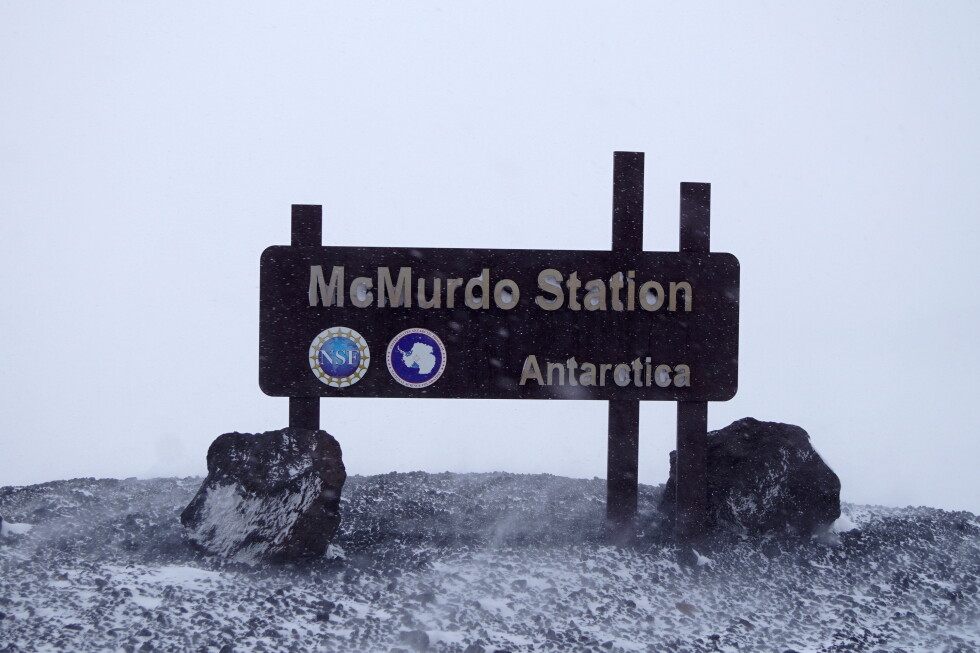
An Australian air crew flew an American patient from McMurdo Station in Antarctica to Christchurch, New Zealand, during a rare midwinter rescue flight on July 31. Operating in complete darkness and temperatures plunging to minus 43 degrees Celsius, the flight faced extreme polar conditions near the limit of the aircraft’s capabilities.
An Airbus A319 Long Range aircraft known as Snowbird 1 executed a rare midwinter medical evacuation from the apnews.com on July 31. The flight was launched in response to an urgent request for assistance, according to Melbourne-based owner Skytraders, which is contracted by the Australian Antarctic Program.
The aircraft flew five hours and 30 minutes from the Australian city of Hobart, landing at the Phoenix Airfield near McMurdo during nautical twilight. The mission brought out an American patient who was subsequently admitted to Christchurch Hospital in New Zealand in a serious condition, as confirmed by the U.S. National Science Foundation.
Navigating Nautical Twilight and Minus 43 Celsius at Phoenix Airfield
Executing a rescue flight in the depth of the Antarctic winter presents formidable navigational and mechanical hurdles. The sun last set at the geographic South Pole on March 23 and will not rise again until September 21, plunging the continent into months of continuous darkness and extreme cold.
“We had some what’s called nautical twilight, which is a very minimal amount of light that is pretty much pitch blackness and also the extreme cold temperatures. We are right on the verge of the limitation of the aircraft.”
Copilot Louise Robertson noted that the conditions pushed the aircraft close to its operational boundaries. Plans to fly toward the base on the Ross Ice Shelf a day earlier had to be aborted due to a snow storm, leaving the crew with a remarkably narrow operational window.
“It was very close to being too cold. It got down to minus 43 (Celsius), which is the coldest I’ve ever felt. It was about 8 knots of wind, so quite a bit of wind-chill as well.”
Louise Robertson, copilot
Skytraders noted that the mission returned the patient to New Zealand just as weather conditions at the Antarctic airstrip deteriorated further. New Zealand’s Health Ministry declined to comment on the patient’s ongoing condition following the admission.
Historical Context of Antarctic Medical Evacuations
Midwinter evacuations from McMurdo Station remain exceptionally uncommon due to the severe weather and darkness.
Daring Midwinter Antarctica Rescue: Australian Crew Saves US Expedition Member in -43°C Darkness
In April, the New Zealand Air Force used a C-130 Hercules to evacuate a New Zealand citizen working on the apnews.comapnews.com during a medical emergency. In August of the previous year, New Zealand carried out a similar winter evacuation using a four-engine turboprop transport aircraft to remove three people from McMurdo for medical treatment.