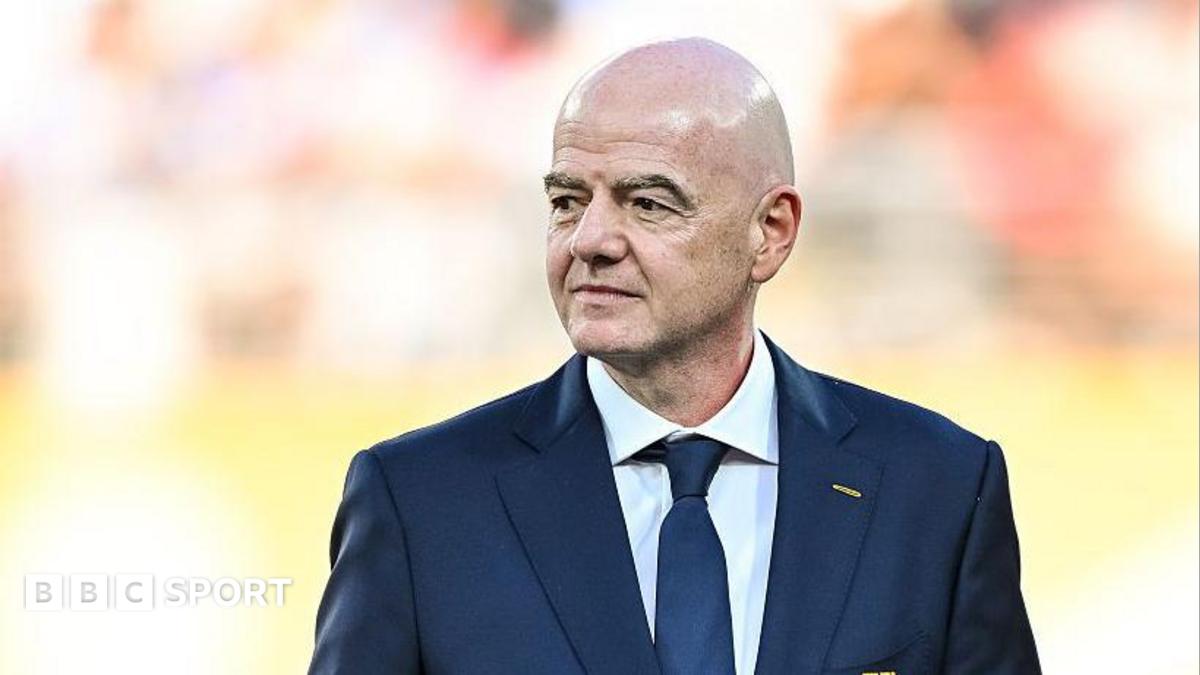
The European football governing body, UEFA, has maintained its stance that a potential boycott of FIFA remains a live option, following a meeting on Wednesday where the world football organization reaffirmed its support for president Gianni Infantino. Despite the backing Infantino received from FIFA’s leadership, European officials indicated that the move does not resolve the underlying tensions regarding governance and reform, according to reports from the BBC.
The internal friction within international football continues to center on the leadership trajectory of FIFA and the influence of the European confederations. While FIFA’s council members signaled unity behind the president during their midweek gathering, UEFA’s leadership has reportedly communicated that this expression of confidence fails to address the structural concerns that have prompted discussions of a walkout or a more formal protest among European nations.
Governance Tensions and the Boycott Threat
The threat of a boycott, though not yet formalized into a specific timeline or action plan, reflects deep-seated frustrations regarding FIFA’s decision-making processes and the transparency of its administrative operations. According to reporting by Reuters, the relationship between Zurich and Nyon has been strained by disagreements over competition calendars and the expansion of major tournaments. The withdrawal of support from the English Football Association (FA) serves as a significant indicator of this shift in sentiment among key European stakeholders.
The FA’s decision to move away from supporting the incumbent president highlights a growing divide between FIFA’s central administration and several national associations that hold significant influence in the European market. This detachment suggests that the current consensus-building efforts by FIFA officials are not achieving the intended stability within the global football community.
The Impact of FA Withdrawal
The English Football Association’s move to withdraw its support for Gianni Infantino is viewed by analysts as a tactical shift that could embolden other national bodies to reconsider their own positions. As the governing body of one of the world’s most prominent football leagues, the FA’s influence extends beyond its borders, potentially pressuring other UEFA members to take a more critical line against the FIFA leadership, as noted in coverage by The Guardian.
While the FIFA council meeting was intended to project an image of solidarity, the public nature of the dissent from within European football underscores a persistent lack of alignment. The refusal of UEFA to accept the council’s recent show of support as a definitive resolution suggests that the diplomatic stalemate is likely to continue in the months leading up to the next major FIFA congress.
Institutional Stakes and Future Actions
The conflict places the future of international football governance in a precarious position. If European nations decide to proceed with a boycott, the logistical and financial implications for global tournaments would be substantial. FIFA has historically relied on the participation and commercial cooperation of European associations to maintain the integrity and profitability of its events, including the FIFA World Cup.
For now, stakeholders are monitoring the situation for any signs of a formal mediation process or a change in policy from the Zurich headquarters. The next confirmed checkpoint for these discussions will likely occur during upcoming executive committee meetings, where representatives from the confederations are expected to address the ongoing friction. As of this report, no specific date for a formal protest or boycott has been set, and diplomatic channels between the two organizations remain open but strained.
We welcome your insights on these developments. Please share your thoughts in the comments section below.
Worth a look
- London Spirit Eliminated from The Hundred After Record-Breaking Lord’s Clash vs MI London
- SLAC Researchers Capture First Sequence of Coster-Kronig Decay in Molecules
- Elizabeth Warren Questions Changes to Fed’s Preferred PCE Inflation Gauge (news-usa.today)
- Breast Cancer Screening Under Pressure: Changes or Reductions? (archyde.com)