Smartphone drop protection is a highly marketed feature in the consumer electronics industry, often relying on terminology like “military grade” to signal durability to potential buyers. However, the practical effectiveness of these claims varies significantly between products, even when they share similar labeling. Recent real-world testing of four prominent case brands—Poetic, Dbrand, Quad Lock, and BURGA—demonstrates that while high-quality cases can prevent catastrophic damage, they are not impervious to extreme forces.
The term “military grade” is frequently used in marketing, but it typically refers to compliance with specific testing protocols rather than a universal standard of invincibility. According to details provided by the case maker SUPCASE, this standard requires a device to undergo 26 drops from a height of 4 feet onto a plywood surface over concrete with a steel backing.
Testing Methodology and Everyday Durability
To evaluate how these claims translate into daily use, four specific cases were tested for scratch resistance and impact absorption: the Poetic Revolution, Dbrand Grip Case, Quad Lock MAG Case, and BURGA Tough Case. Initial testing involved placing a Pixel 8 inside each case and subjecting it to high-impact contact with solid metal objects like keys and power banks. These items were placed in a bag and shaken vigorously to simulate common, albeit harsh, pocket or bag environments. All four cases successfully prevented scratches to the phone’s back, though the Poetic Revolution—the only model in the group to include a built-in screen guard—provided the most comprehensive coverage.
Following the scratch resistance phase, the cases were subjected to a 5-foot drop test onto hard tile floors. This height exceeds the standard 4-foot military testing protocol. In this controlled environment, all four cases performed effectively, with the Pixel 8 surviving the impacts without functional or cosmetic damage. These results suggest that reputable brands generally provide sufficient protection for the types of accidental drops a user might experience during routine daily activities.
Pushing the Limits: Extreme Drop and Compression Tests
The testing moved beyond standard usage when evaluating the Poetic Revolution, which is marketed with a 20-foot drop resistance claim. To verify this, the device was dropped from the second floor of a residential building. Upon impact, the case detached from the phone, but the device remained fully functional. The only external sign of the event was a minor dent on the device’s camera bar, confirming that even when a case fails to remain attached during a high-impact event, it can still absorb enough energy to protect the phone’s internal components.
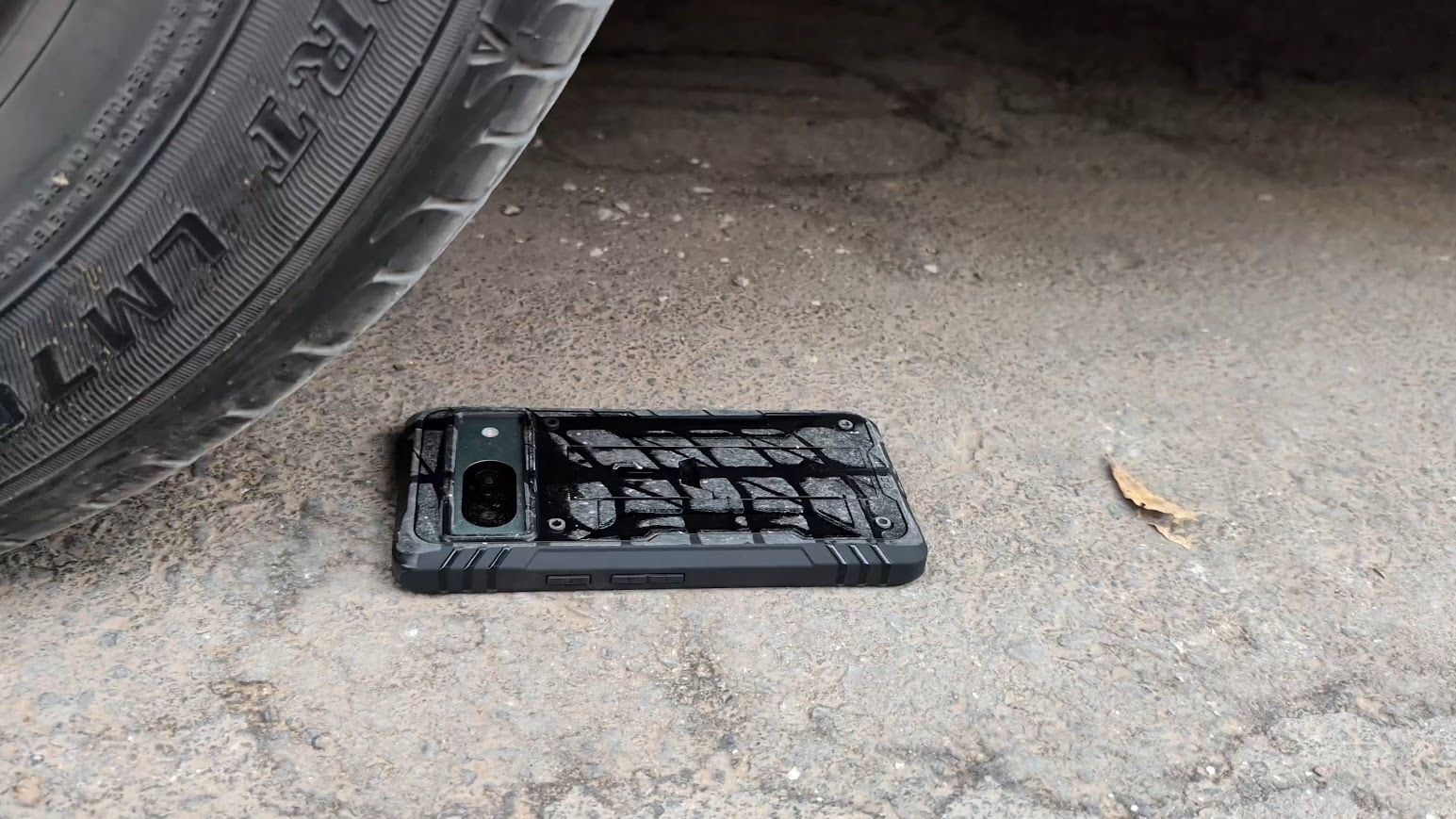
The final challenge involved driving over the Poetic Revolution case with a seven-seater multi-purpose vehicle (MPV). While the device remained operational—retaining touchscreen responsiveness, camera functionality, and connectivity—the pressure from the vehicle caused the glass back of the Pixel 8 to sustain spiderweb-like cracks.
Practical Takeaways for Smartphone Users
The results of these tests indicate that investing in a reputable, tested case is a meaningful step in protecting a smartphone investment. Consumers should look for brands that provide specific performance data or adhere to established testing standards rather than relying solely on vague marketing buzzwords. While no case can guarantee 100% protection in every scenario, the use of a high-quality, rugged case significantly reduces the risk of functional failure during standard accidents.
For those seeking the highest level of defense, full-body cases with integrated screen guards remain a robust option. Readers are invited to share their own experiences with phone protection or ask questions regarding specific case features in the comments section below.
Related reading
- Beyond the Hype: How Pragmatic AI is Redefining Cybersecurity in 2024
- Scientists Uncover the Origin of Life: A 4-Billion-Year-Old Mystery Solved
- How Hospital Financial Incentives Drove COVID-19 Treatment Protocols (archynewsy.com)
- Put to the Test: We Dropped a Pixel 8 From a Second Floor and Ran It Over (newsdirectory3.com)